Yesterday we drove an hour and a half to Derry, NH, to see an early home of the American poet, Robert Frost. It was closed. We ate lunch and then we drove all the way back. 3 hours. For nada. Just in case you’re tempted to idealize our existence from time to time.
So I’m going to write about Calvin Coolidge, “Silent Cal,” one of the US’s least known presidents, instead.
“Whether one traces his Americanism back three centuries to the Mayflower, or three years to steerage, is not half so important as whether his Americanism of today is real and genuine. No matter by what various crafts we came here, we are all now in the same boat.”
And what a boat it is.
Few topics are generally less interesting to me than politicians, with very few exceptions. I did not expect Calvin Coolidge to become one of those exceptions.
Seeing a little icon on my phone’s map as we drove to NY last week and wanting a break from driving, we stopped at the unassuming Vermont State Historical Site preserving Calvin Coolidge’s childhood home, the village of Plymouth Notch where he and his extended family lived, and where his first Summer White House was located. I’m glad we did.
I knew very little about the 30th president except that his administration dodged the 1929 Stock Exchange crash and the following Great Depression by mere months. Portrayed by fellow politicians, Washington high society, and the press as dour for his New England brusqueness and asocial for his lack of loquaciousness earned Calvin Coolidge the moniker “Silent Cal.” This is quite the misnomer considering that Coolidge wrote and delivered more speeches, wrote a weekly news column, and as one of the first radio presidents was heard by more citizens nationwide than any other president of that era.
After doing some additional reading about Coolidge, including his unedited autobiography (I recommend avoiding the edited version), I’ve come to find more common ground with him than I expected. I’ve included some quotes that especially resonated with me (seen in italics).
Calvin Coolidge remembers his childhood community and especially his father and grandfather as setting solid examples of thrift, hard work, straight dealings, public service, and treating everyone as equals. They probably all made great neighbors. The community’s only disdain, he later remarked, was for those who put on airs and thought themselves above others. I can only imagine what they’d make of the world today.
“Character is the only secure foundation of the State.”
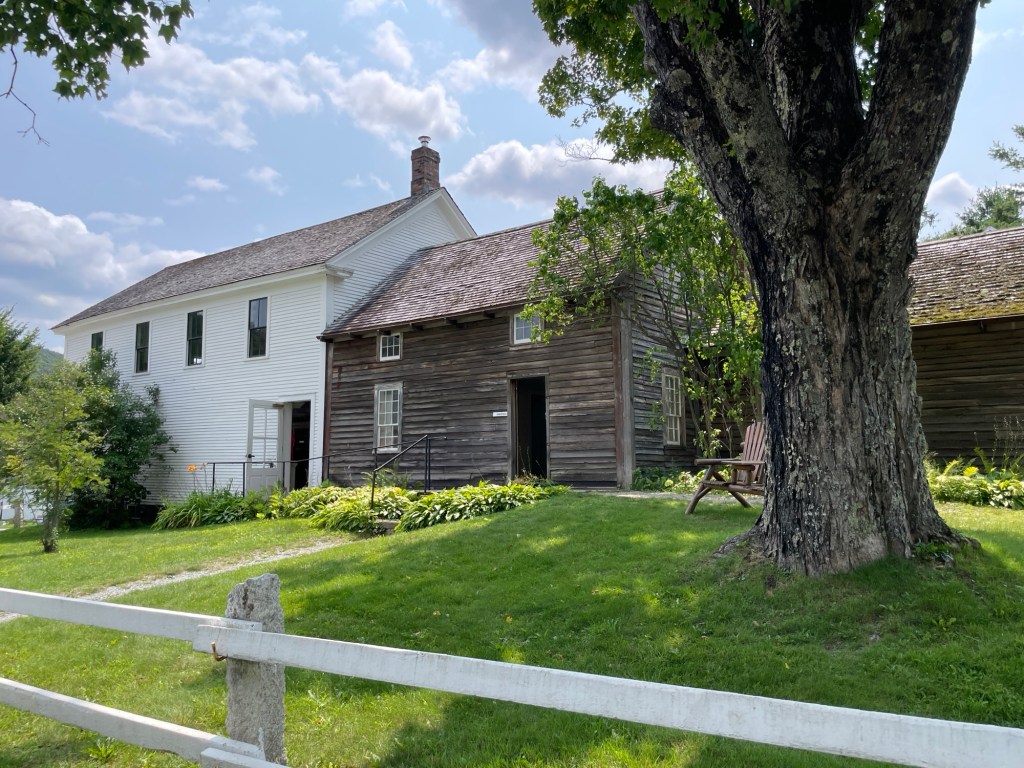
Vice President Coolidge ascended to the nation’s highest office after the sudden death of President Harding. Since Coolidge, his wife, and boys were back visiting their families for the holidays, and his father was a notary public, the Coolidges alone can lay claim to a son being inaugurated by his father (on a copy of the Constitution in the dead of night in his parents’ living room).
“The Constitution is the sole source and guarantee of national freedom.”
Coolidge vowed to continue the Harding administration’s goals of scaling back WWI tax increases while also paying down the debt that the nation had taken on to fund the war. He carried his beliefs about responsible personal finance with him into his political career, to the benefit of the nation.
“Public debt [is] a burden on all the people.”
“Economy is the method by which we prepare today to afford the improvements of tomorrow.”
He announced, however, that he would exact these results ‘in his own manner,’ alluding to the multiple growing scandals related to grift, corruption, and back door deals that were tied to the Harding administration.
“There is no surer road to destruction than prosperity without character.”
“The right thing to do never requires any subterfuge; it is always simple and direct.”
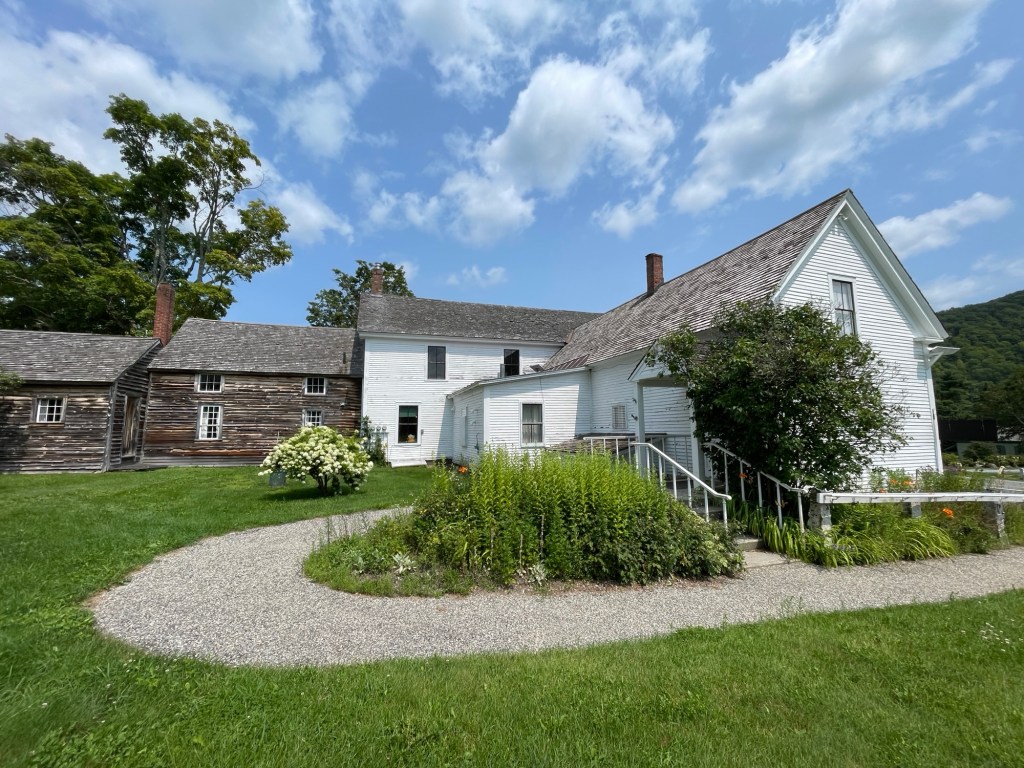
Before the advent of air conditioning, the Summer White House was the name given to the temporary country retreat of the Chief Executive. It was usually in a cooler and less humid region during Congress’ traditional summer break. Coolidge was known for picking spots that offered good fishing opportunities. A man after Jeff’s own heart. All he required was a secure place to do the Nation’s important work, not an ostentatious display so that he could try to feel important.
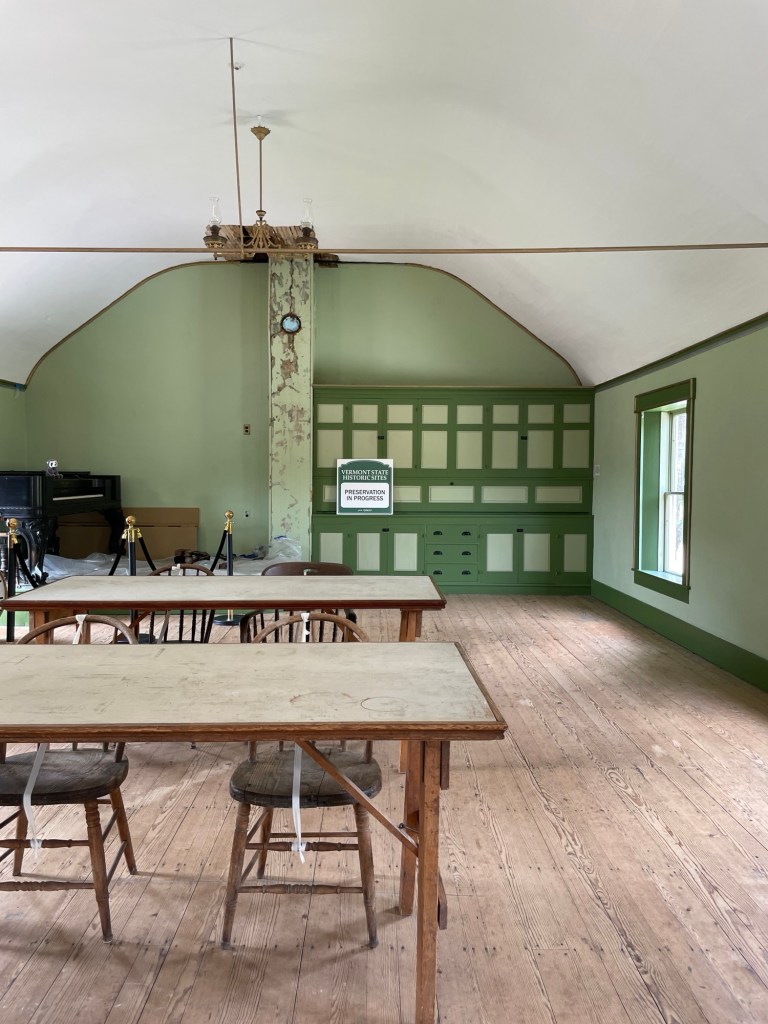
Not a bit of gold leaf in the whole place, and yet serious things still got done. Imagine that.
“Money will not purchase character or good government.”
While he and I would look at many political policies and personal beliefs differently, I find that I agree with him more often than I expected. He was a simple and straightforward leader and seems to have been beloved from coast to coast (except in the former confederate states, which at that time was a pretty strong argument for his decency as a human being). Therefore, his announcement in 1927 to not run for a second full term — which everyone at the time agreed he would have won easily — shocked the nation. But having done what he set out to do, he later said he felt it was the appropriate time to leave.
“When a man begins to feel that he is the only one who can lead in this Republic, he is guilty of treason to the spirit of our institutions.”
Noting,
“It is difficult for men in high office to avoid the malady of self-delusion. They are always surrounded by worshipers.”
And boy howdy, some men in high office sure do have a taste for being worshipped.
One day while the President was completing his first partial term, the Coolidges’ younger son, Calvin Jr, was playing tennis on the White House lawn. He got a blister on his foot which became infected, leading to sepsis. He died from blood poisoning — a horrible, painful death — and all his family could do was watch. A good reminder that the advancements of modern medicine are worth protecting.
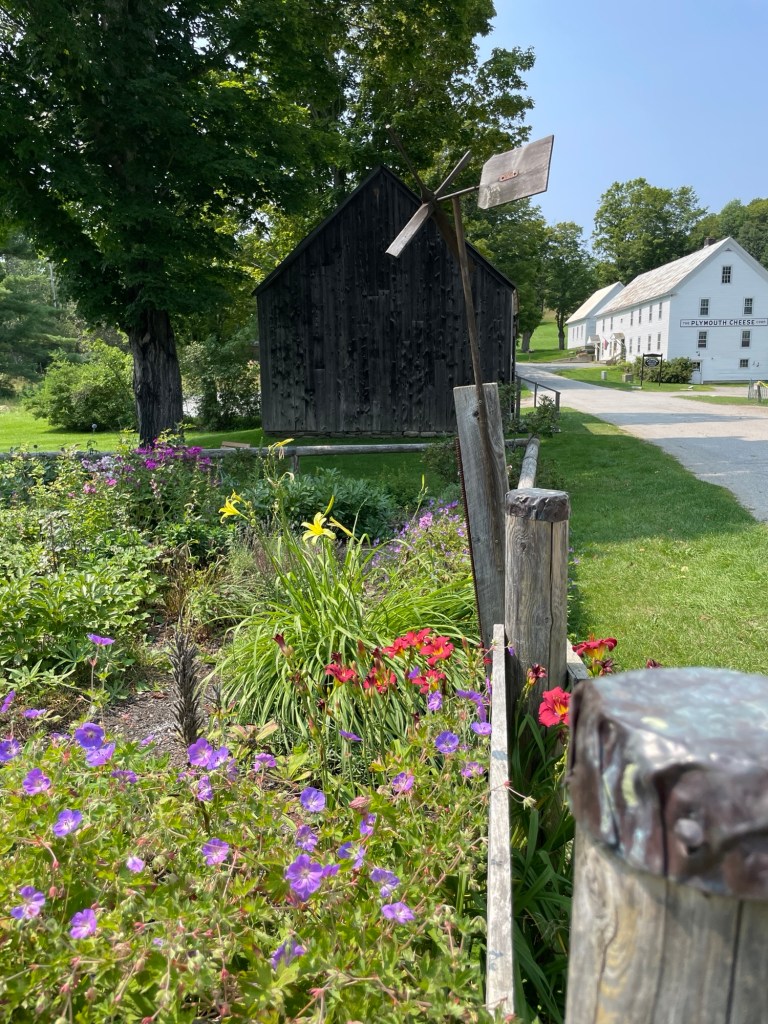
Coolidge insisted that interest in representative government wasn’t a realm reserved only for pundits and politicians.
“Despotism has forever had a powerful hold upon the world. Autocratic government, not self-government, has been the prevailing state of mankind. The record of past history is the record, not of the success of republics, but of their failure.”
Consequently:
“If the people fail to vote, a government will be developed which is not their government… The whole system of American Government rests on the ballot box. Unless citizens perform their duties there, such a system of government is doomed to failure.”
Driving across the nation, you see lots of yard, window, and bar signs that proclaim, ‘Land of the Free Because of the Brave’ and ‘Freedom isn’t Free,’ but I have yet to see a sign that acknowledges this timely fact:
“Freedom is not only bought with a great price; it is maintained by unremitting effort.”
The argument that someone just doesn’t ‘do politics’ ignores the fact that politics will still very much ‘do’ them. It’s likewise too easy an excuse to simply declare that ‘all politicians are corrupt’ and not bother to dip an oar to help redirect the boat we find ourselves in, especially at the local and state level.
“What we need is not more Federal government, but better local government.”
Coolidge was a fierce proponent of equal rights his entire career. He wasn’t impressed by titles, wealth, or possessions. During his administration, citizenship was extended to all Native Americans and federal financial support was directed for the first time to open medical schools at Black universities.
“The most common commodity in this country is unrealized potential.”
He encourages us to remember that We the People, requires that we ensure every citizen’s rights and freedoms.
“Good citizenship is neither intricate nor involved. It is simple and direct. It is everyday common sense and justice.”
Justice. What a concept.
“One of the greatest perils to an extensive republic is the disregard of individual rights.”
In a national radio address, while he was in South Dakota and the Klan were marching in their bedsheets down Pennsylvania Avenue, Coolidge denounced a spectrum of racially discriminatory practices and pointedly shamed the illegal, immoral, and often politically sanctioned terrorizing of Black Americans by the Klan in the South.
“If all men are created equal, that is final. If they are endowed with inalienable rights, that is final.”
“American ideals do not require to be changed so much as they require to be understood and applied.”
But to know these ideals, citizens must first learn them. Coolidge was a fierce proponent of public education. As a child from a rural hamlet, Calvin acknowledged that it was his early schooling as much as his upbringing that allowed him to understand and appreciate the Constitution, both what it promised and what it required of its citizens, and which helped him succeed at all levels of government. He was surrounded by great educators, including his mother, step mother, sister, and wife who had all been public school teachers. The first two at his own one room community school (K-8), his sister in a nearby community, and his wife at a school for the deaf.
“School is not the end but only the beginning of an education.”
“My formal period of education was passed, though my studies are still pursued.”
Coolidge recognized that only an educated citizenry has a fighting chance of recognizing tyranny slinking in and appealing to our basest, most clannish instincts.
“When people are bewildered they tend to become credulous.”
“Wherever despotism abounds, the sources of public information are the first to be brought under its control.”
Coolidge recognized that the first move aspiring authoritarians make is to buy, direct, consolidate, or in other ways control the narrative. Our modern minds immediately go to Mussolini, Hitler, and Putin, but it has always been and continues to be that way. One need only look at some of our most popular sources of information — rage-bating social media feeds, fear-based news programming, podcasts that provide a curated mix of sensational half truths and outright lies, and crime-fo-tainment programming to desensitize the populace — and the rich and power-hungry people who own, manage, and direct them.
Coolidge took his position as President seriously, acknowledging that his behavior set the tone for the nation.
“The words of the President have an enormous weight and ought not to be used indiscriminately.”
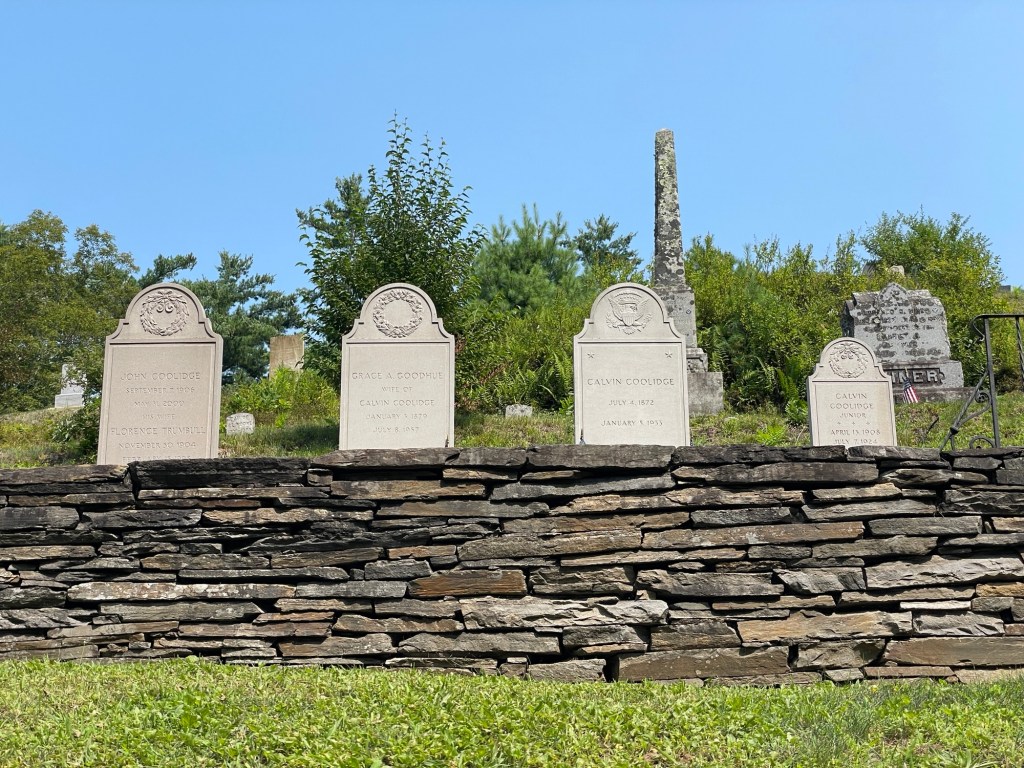
“Politics is not an end, but a means. It is not a product, but a process. It is the art of government. Like other values it has its counterfeits. So much emphasis has been placed upon the false that the significance of the true has been obscured and politics has come to convey the meaning of crafty and cunning selfishness, instead of candid and sincere service.”
We don’t change much as a species, do we?


Leave a Reply