It’s raining here and I’ve been sitting inside looking at Zillow, mooning over a cheaply priced farm in the upper snow belt, with the full knowledge that I have never raised cows, sheep, goats, chickens, or bees. I’m also fully aware that several years of Boise’s and Denver’s mild winters have made me forget how mind-numbing a true northern winter can be. But it has a big barn, a possibly operational tractor, and a pasture. What’s a former horse girl to do? Jeff, ever the reasonable engineer says big meany helpful things like: Why is it so cheaply priced? Is it in a flood plain? Why are there absolutely no photos of the basement? Is that water damage? So annoying when he’s reasonable. Guess we’ll stick with the nomad life for now.
***
If you’ve heard of Salem, Massachusetts (founded 1626), then you’ve heard of its infamous 1692 witch trials. The city’s shame ran so deep, that immediately afterwards, city leaders deliberately removed and amended references to the trials in official city documents. Facts? Inconvenient. Those buckle-wearing Puritans, it turns out, were a lot less honest and morally upright than my elementary teachers led me to believe. Later administrations in Salem also downplayed the trials. Some outright refused to even talk about them — for centuries.
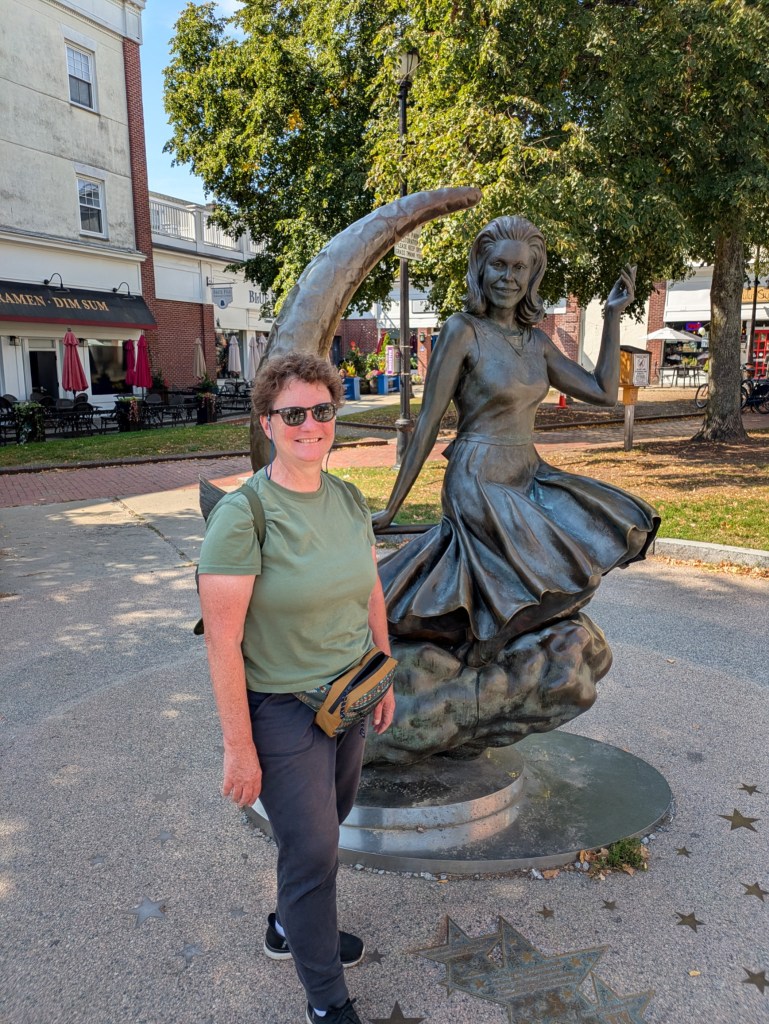
Nowadays? Bring on the controversy. Highlight the injustice. Tourism is booming and a comical version of the very specter that lead to the death of dozens and the imprisonment of more than a hundred—a witch on a broom—has been made part of the city’s official logo.
And that logo is everywhere.

Ev. ver. y. where.
When Bob and Pam (of the Airstream) suggested we join them in Salem, none of us were surprised to see a lot of short black dresses, gauzy cobweb-inspired lace, pale skin, and dyed black hair on the city’s young visitors — pointy hat optional.
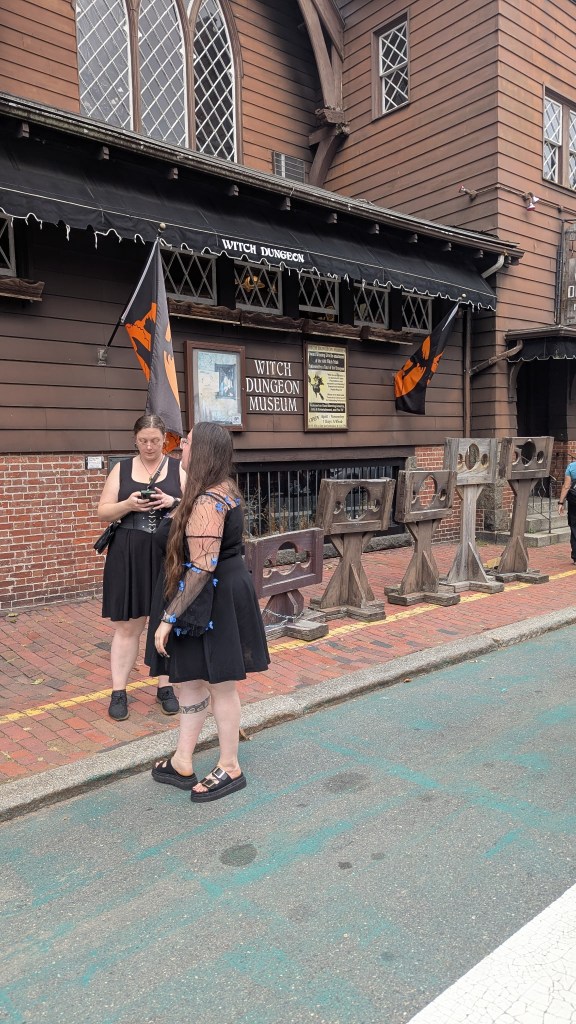
Fun fact: The Witch Dungeon Museum is located where the accused were once held, the actual honest to god dungeon, while awaiting trial. Congrats, Salem, new morbid badge achieved!
Ok, I know that sounds kind of curmudgeony. In truth, I love all the trappings of modern day spooky season: jack-o’-lanterns, corn stalks, hand towels decorated with ghosts, bats, and black cats. I can’t get enough of little kids trick or treating. I scarf down gourds in every form (bake ‘em, mash ‘em, stick ‘em in a stew). It’s an added bonus if I get some falling leaves, corduroy, and a warm, heavy sweater to round it all out.
What I didn’t know about Salem is that it has such a long and amazing — AMAZING — maritime history, highlighted by the National Park Service, of course.
Cue angels singing.
Since Pam and I had both read The Witches by Stacy Schiff leading up to our visit, we decided to check out some of the less kitschy Salem sites and focus on the historically accurate parts of the Salem Witch Trials, bypassing the pro-offered side-serving of gore and palm reading. Schiff’s book wasn’t a quick read, but its history is quite thorough and thought-provoking in an infuriating WTF were these judges thinking kind of way. (Spoiler alert: Schiff does not subscribe to the poisoned wheat hypothesis.)
If you ever get there, the Salem Armory Regional Visitor Center, also run by the NPS, has a couple of excellent introductory films. While I feel I can recommend the Schiff book, your partners and friends should be prepared for you to break into sudden rants about 17th century Puritanism and patriarchy in general.
The city’s memorial to 20 of the victims is moving. Adverbs don’t adequately describe how moving. Nineteen people were hanged as a result of the village’s ludicrous trials. Another died while being interrogated. Approximately 20 more died in prison, awaiting either trial or execution (the numbers aren’t exact). And if some powerful people outside of Salem Town and Salem Village (now called Danvers) hadn’t stepped in and stopped the swirling madness, I don’t want to even imagine how many more might have been murdered in the name of spiritual warfare.
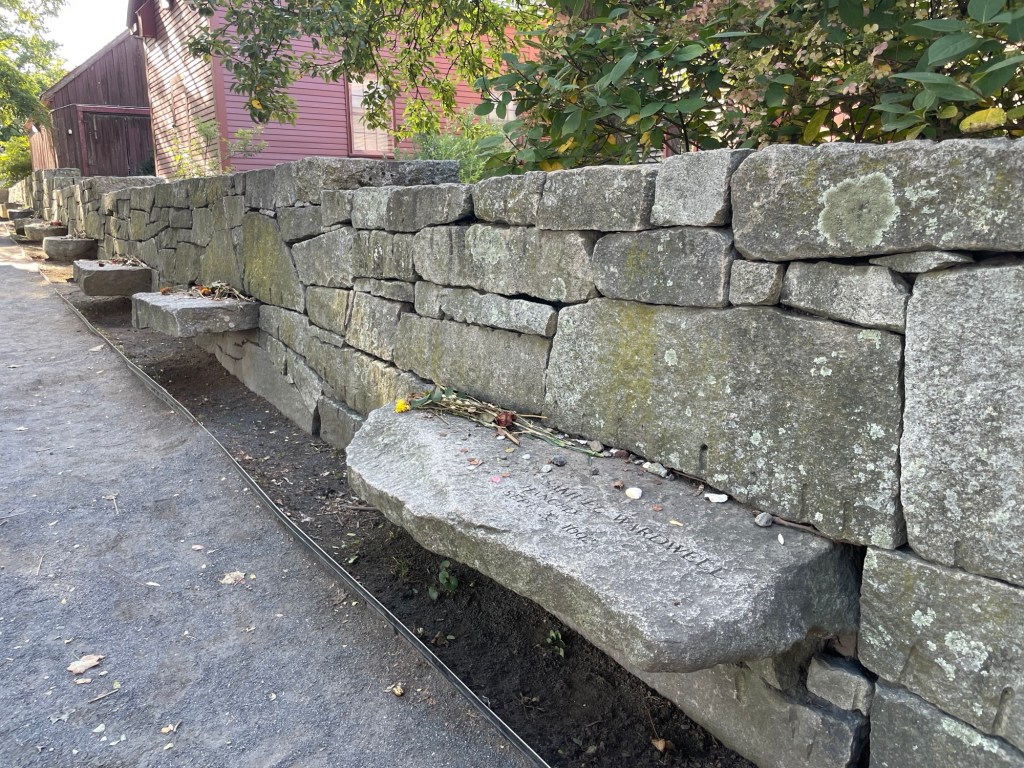
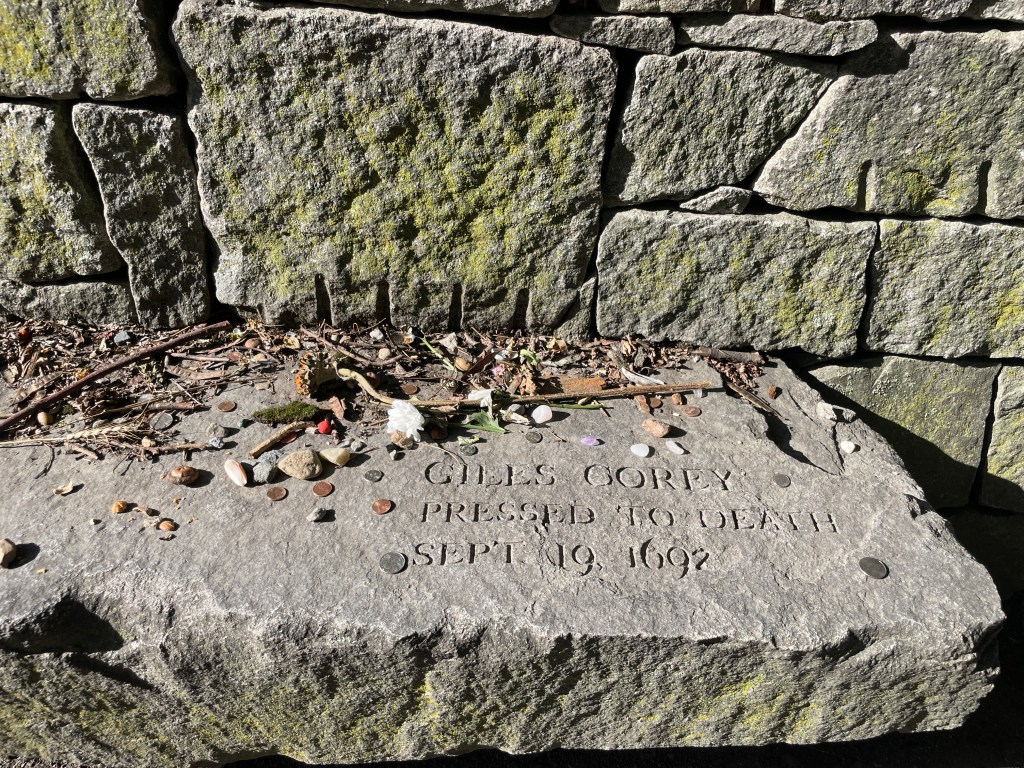
Pressed to Death
Sept. 19, 1692
Corey maintained his innocence to his dying breath, literally, as did his wife who was hung three days later.
Every person killed had maintained their innocence to the very end. It quickly became apparent to people being accused that pleading innocence was a death sentence. The town’s leaders seemed to want, need, to pin the town’s many social ills on an easy target, so in the end many people claimed to be witches, some prophylactically, and went straight to prison, bypassing both trial and execution.
***
One of the first things we noticed after walking down Derby Street was a converted Custom’s Hold building, which now serves as the dockside gift shop for the Salem Maritime National Historical Park.
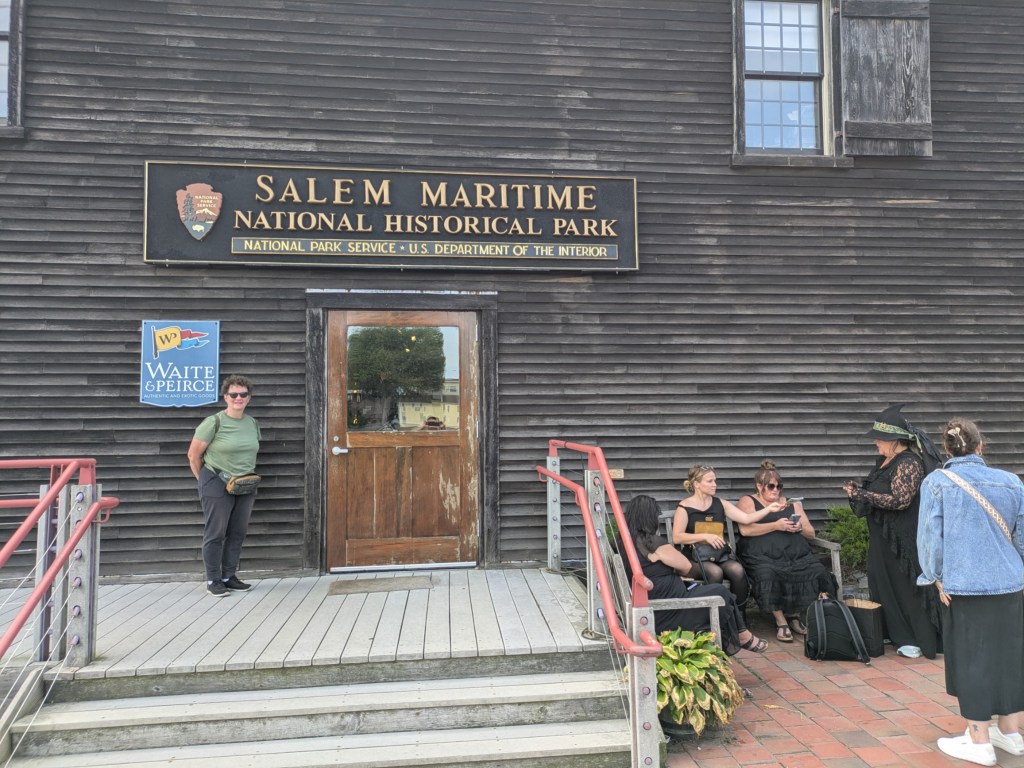
The volunteer cashier kindly acted as an impromptu (and excellent) information booth as well. She suggested when to visit certain buildings to get the most bang for our limited time buck and told us about the Armory Visitor Center’s many resources. If you’re ever in Salem, I recommend starting at the port and working inward.
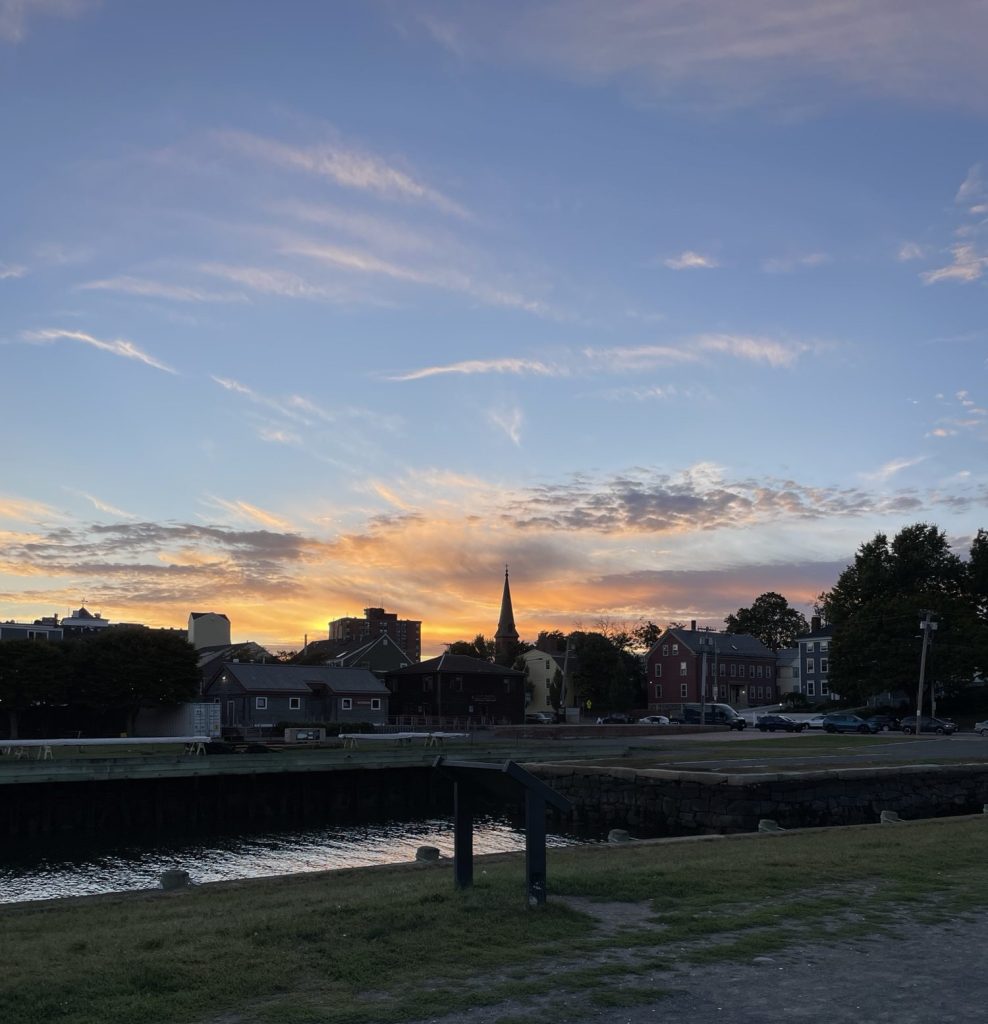
The dock area is a remarkable setting overall, full to the brim with maritime history and best explored on foot. If the weather is fine and staff is available, you might be able to get a good look at the Friendship of Salem, a replica of the two-decked, three-masted, square-rigged tall ship docked at Derby Wharf. Unfortunately, it was buttoned up tight and undergoing some mast repairs while we were there.
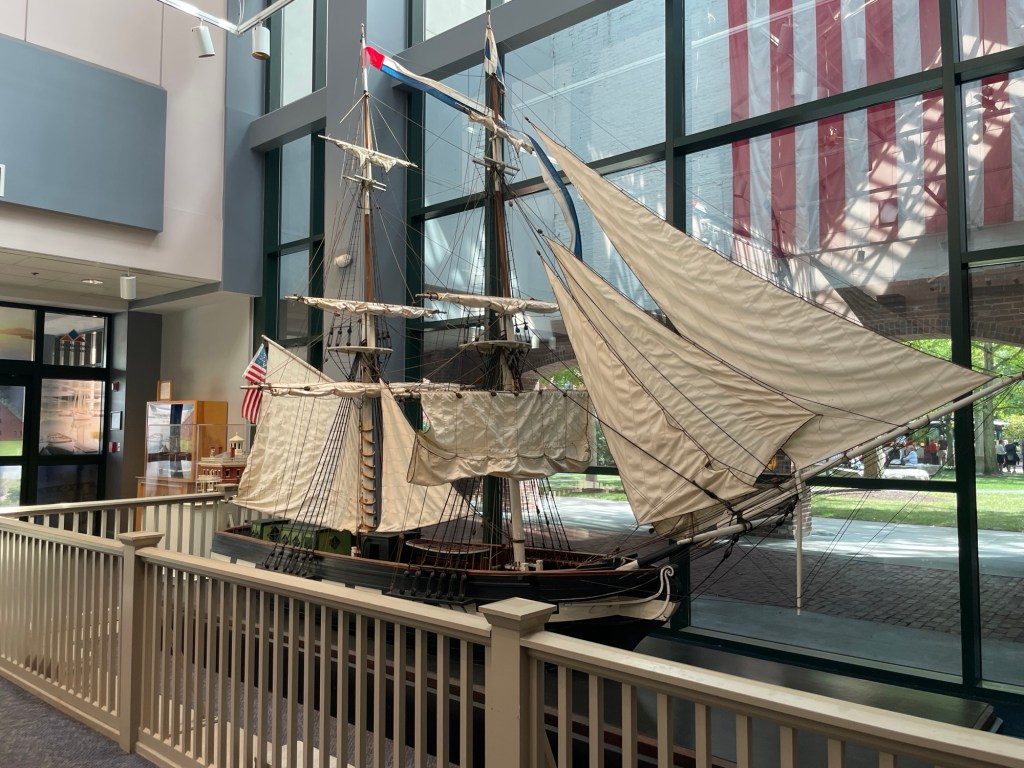
Already decades before and for centuries after its infamous witch trials, Salem was one of the region’s most important ports and shipbuilding centers. Money from international trade flowed like wine, filling the city with mansions full of exotic goods from around the world. The town also played an instrumental role during the Revolutionary War, serving as a base of armed resistance and privateering. In fact, Salem-based privateers are credited with taking more than half of all British ships captured during the war.
Maybe you’ve noticed already, but the name Derby is seen everywhere in Salem. Elias Hasket Derby was the son of a ship captain, but because of this mismatched eye color (seriously, it was considered a bad omen) Elias never went to sea. Instead, he learned bookkeeping and ran the family’s maritime empire while his brothers risked their lives out on the open ocean. As instructed, we toured Elias Derby’s home first, a starter mansion located across the street from the Derby Wharf and within spitting distance of the Custom House, which we toured next.
Nathanial Hawthorne, born in Salem in 1804, was appointed by President Polk as a Salem Custom House Surveyor, overseeing the Custom House’s ship inspectors and the men who weighed and measured goods for taxes, in the mid-late 1840s. He earned a small salary, but the bulk of his income came from a portion of the fees levied on each ship’s cargo. Surveyors in larger towns, such as Boston, therefore would earn more than those in smaller towns. But all earned more than professions such as teachers. About 10 to 25 times as much. It was during Hawthorne’s time in the Salem Custom House that he got the inspiration for and began work on his classic novel, The Scarlet Letter. The novel is based loosely on his ancestor’s role, one of the three judges, in the Salem Witch Trials. After being removed from office after a presidential election, Hawthorne wrote an opening screed that named names about abuses and incompetence at the Salem Customs House.
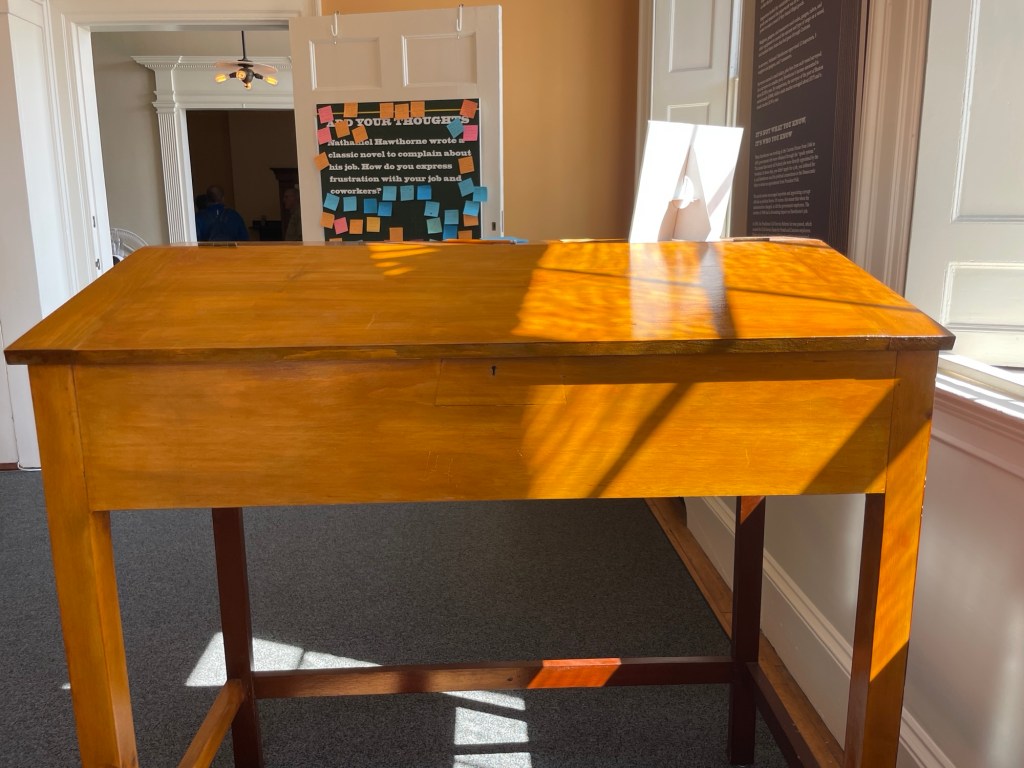
At the Custom House museum, we learned that government jobs of the period were awarded directly by Presidents to loyal party members as part of the “spoils system.” That system only ended when Congress passed the Pendleton Civil Service Reform Act in 1883. Up to then, it wasn’t what you knew but who you knew that counted. You didn’t apply for a job; you lobbied for it. You didn’t need to have any relevant experience or education. Nepotism and corruption were as common as water in a rainstorm. Just imagine if it we had that going on in important government positions today! Oh wait, never mind.
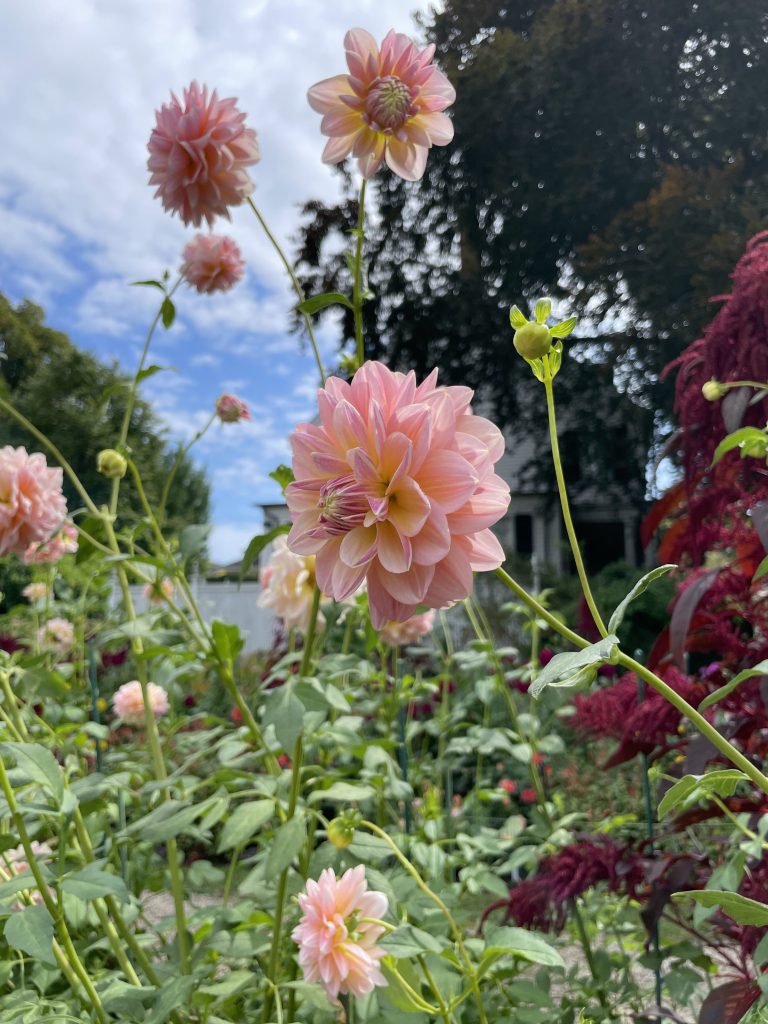
On our last day of roaming Salem, we headed over to the western side of town and visited the Ropes Garden. Below are a few of my favorites.



Back at the campground, we had dinner, headed back to the campground’s beach, and enjoyed our last few hours together before Bob and Pam headed to Cape Cod and we started the long trek west.


Leave a comment