Since we’ve visited SO MANY forts the past year, a minimal pass with some of my favorite visuals should suffice. As expected, we learned some new and interesting things along the way.
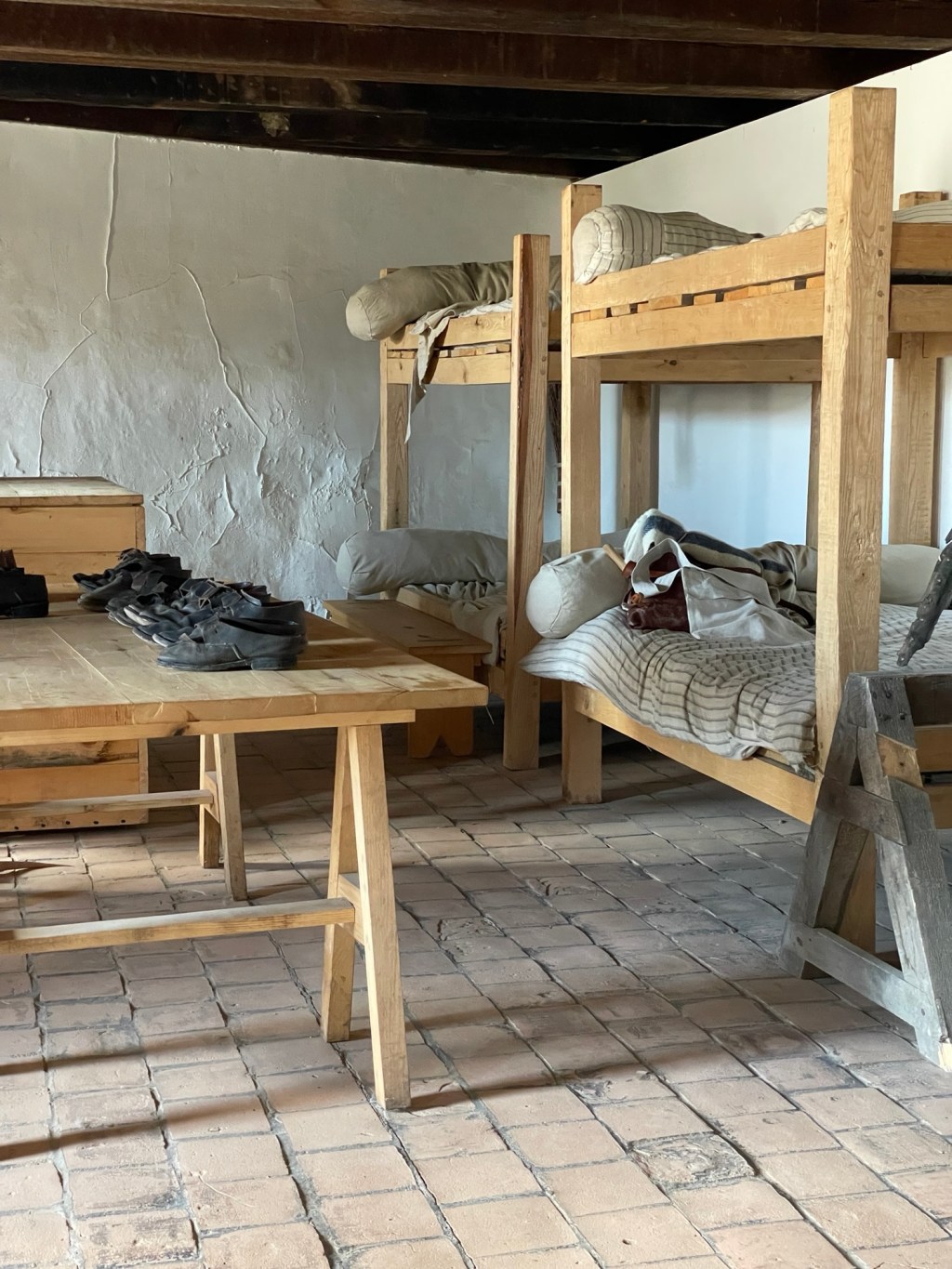
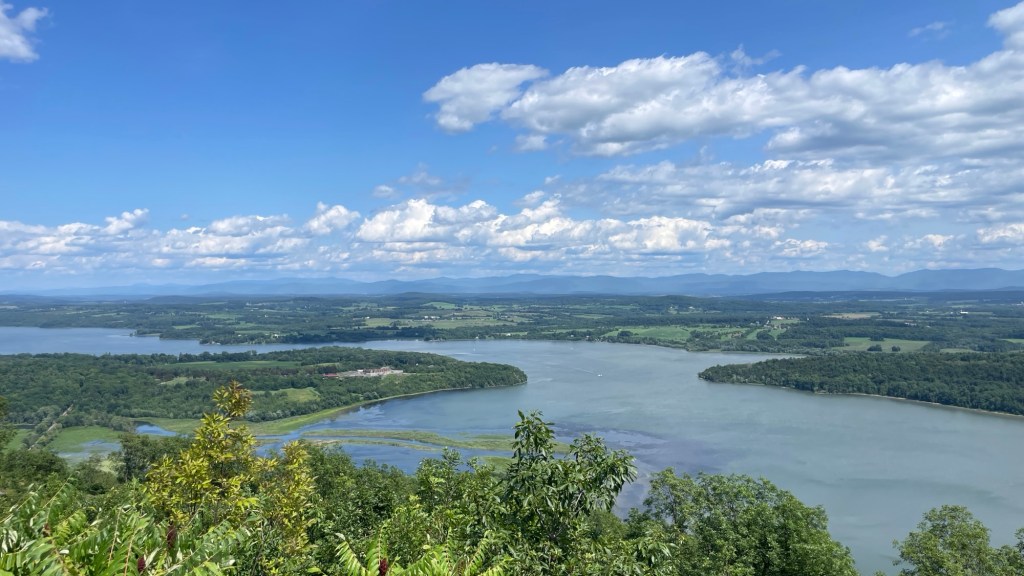
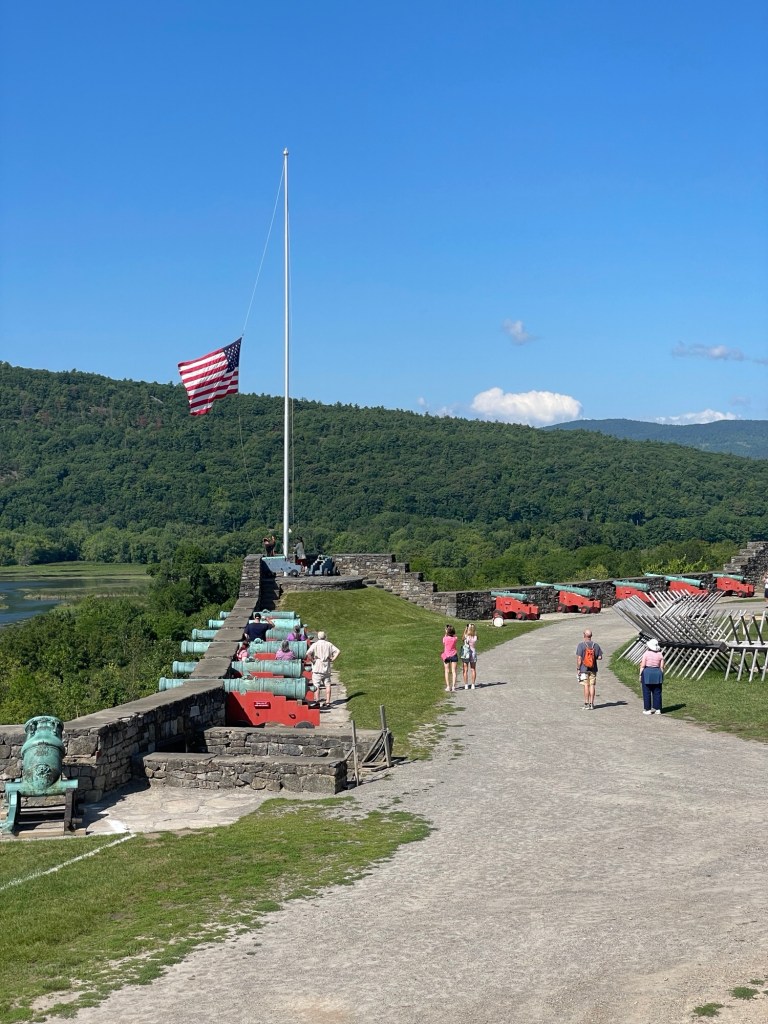
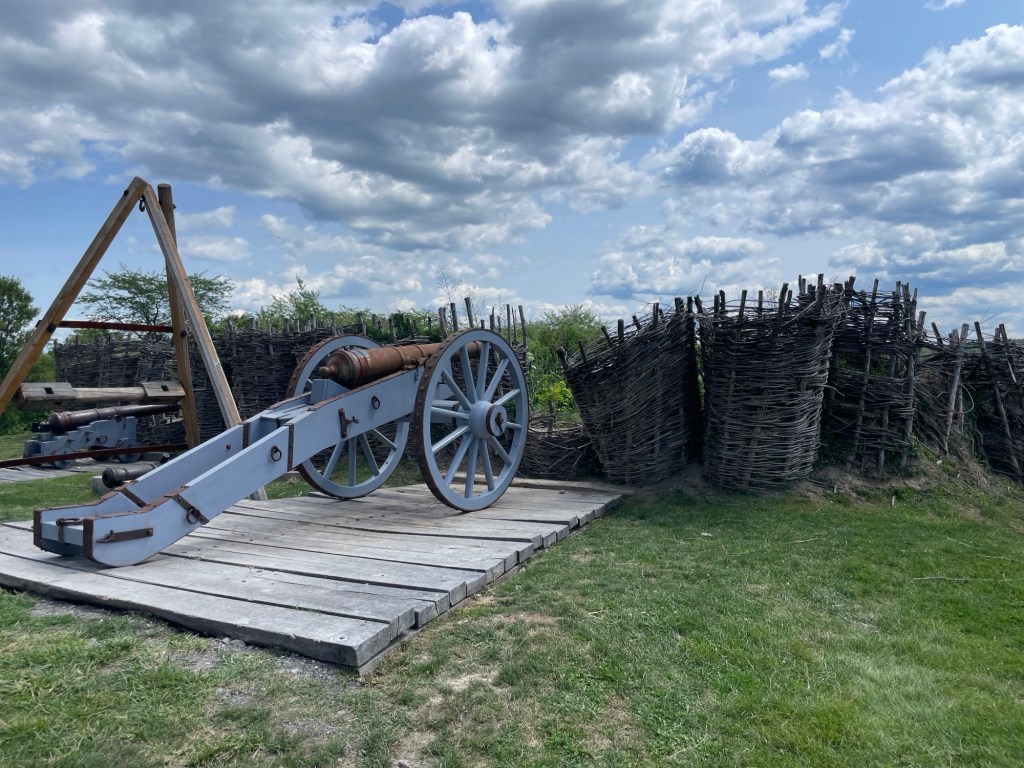
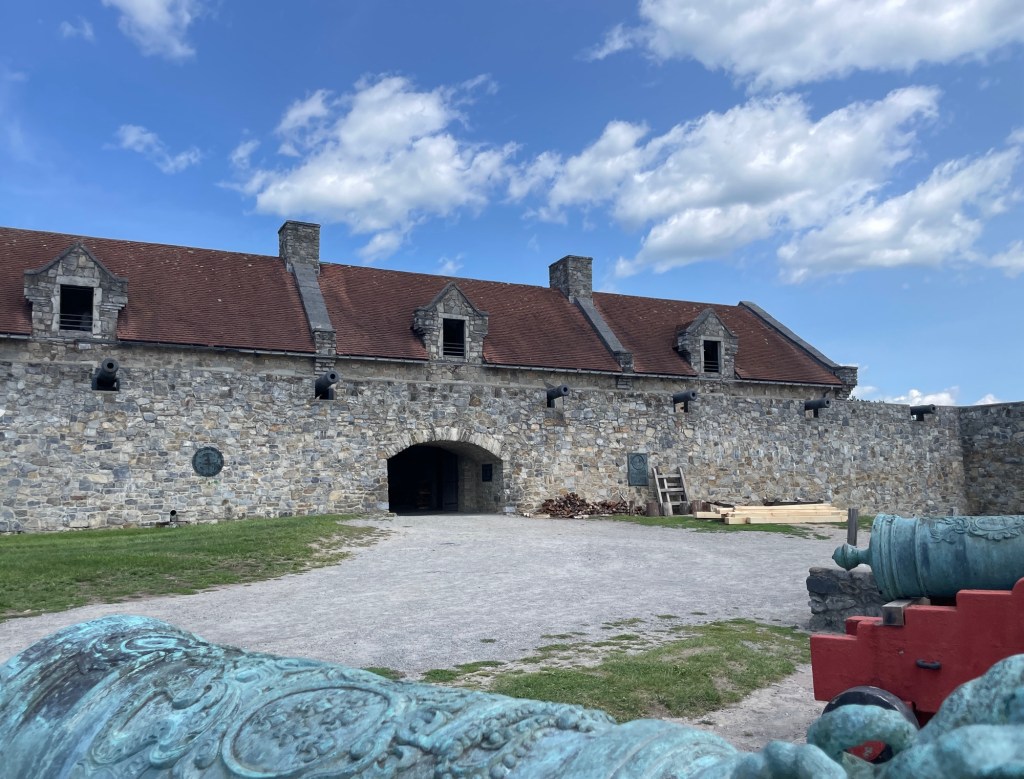
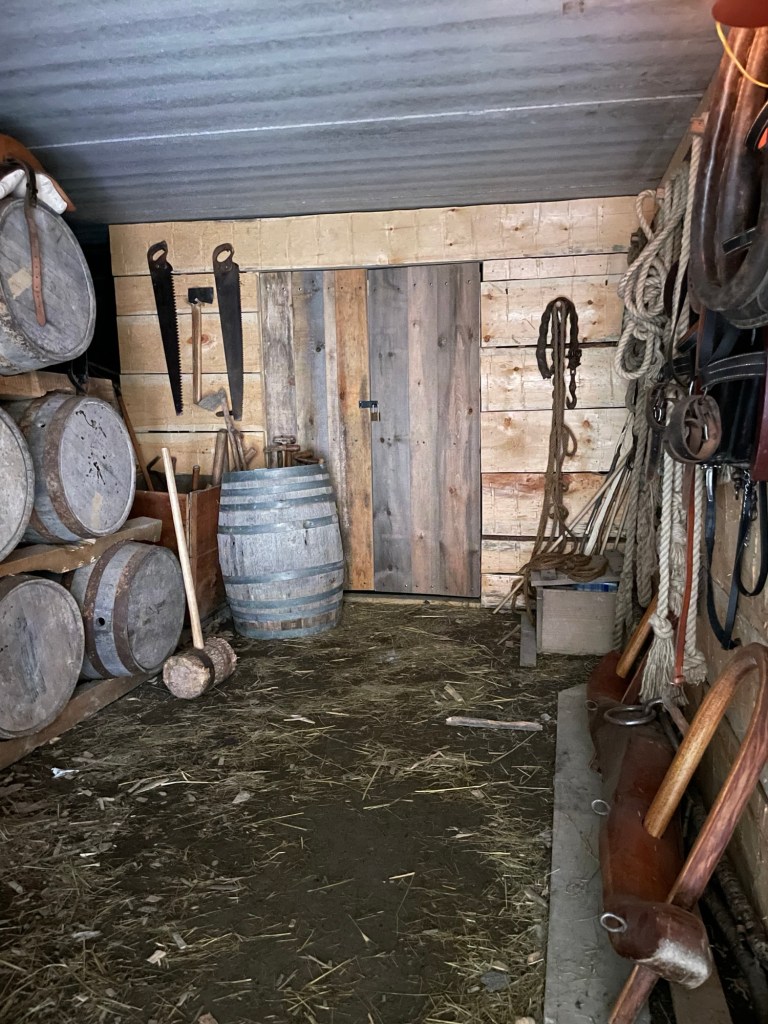
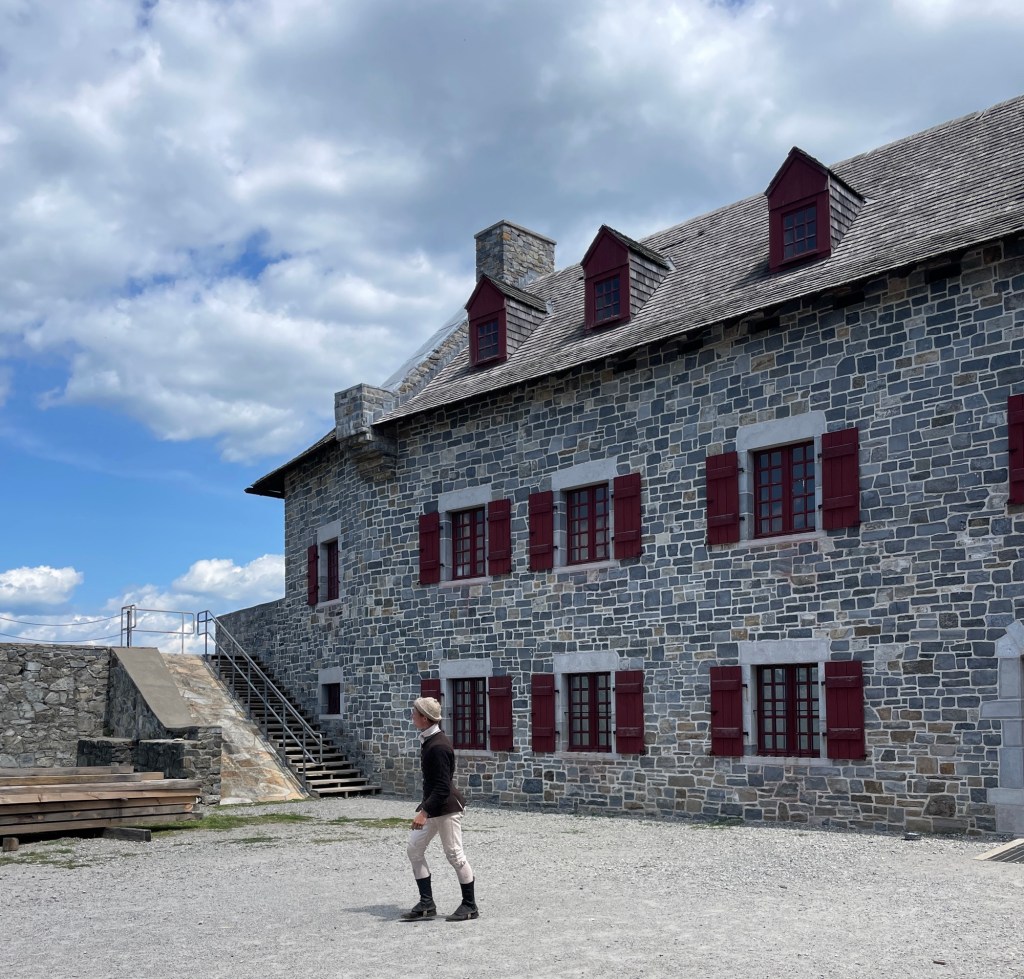
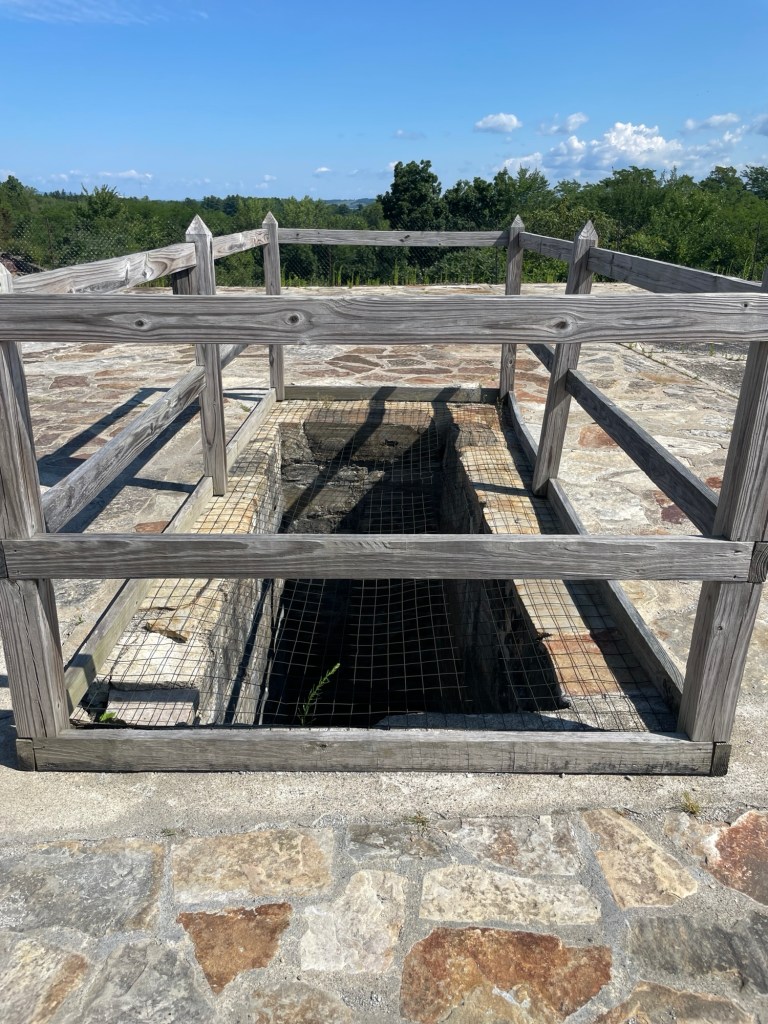
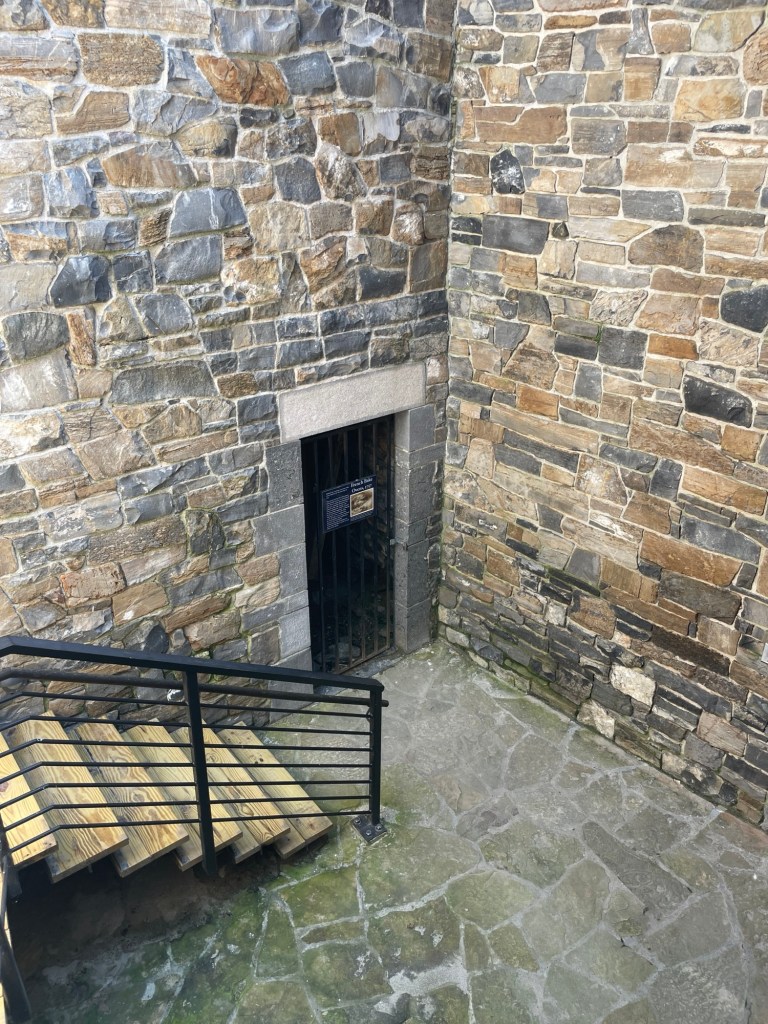
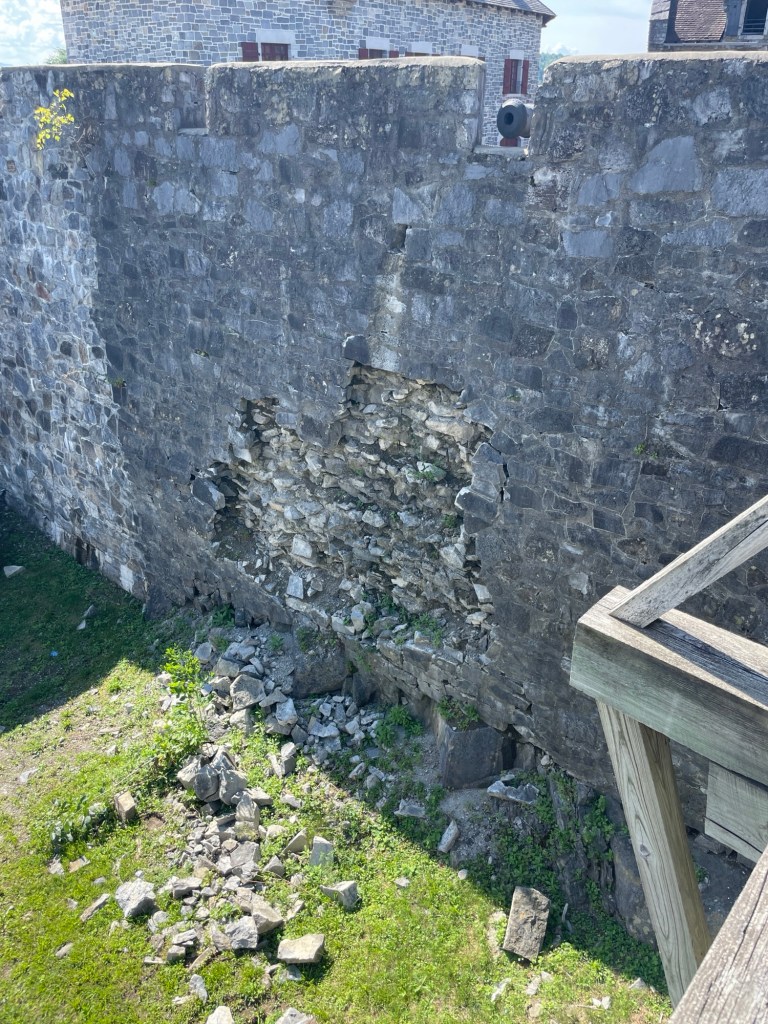
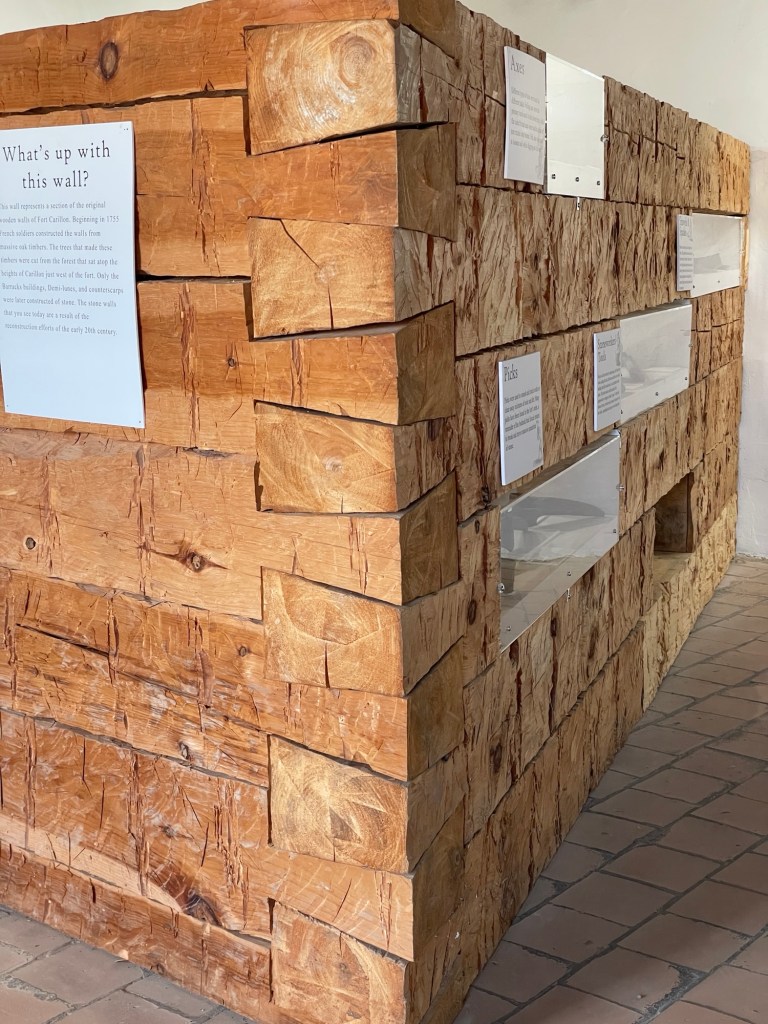
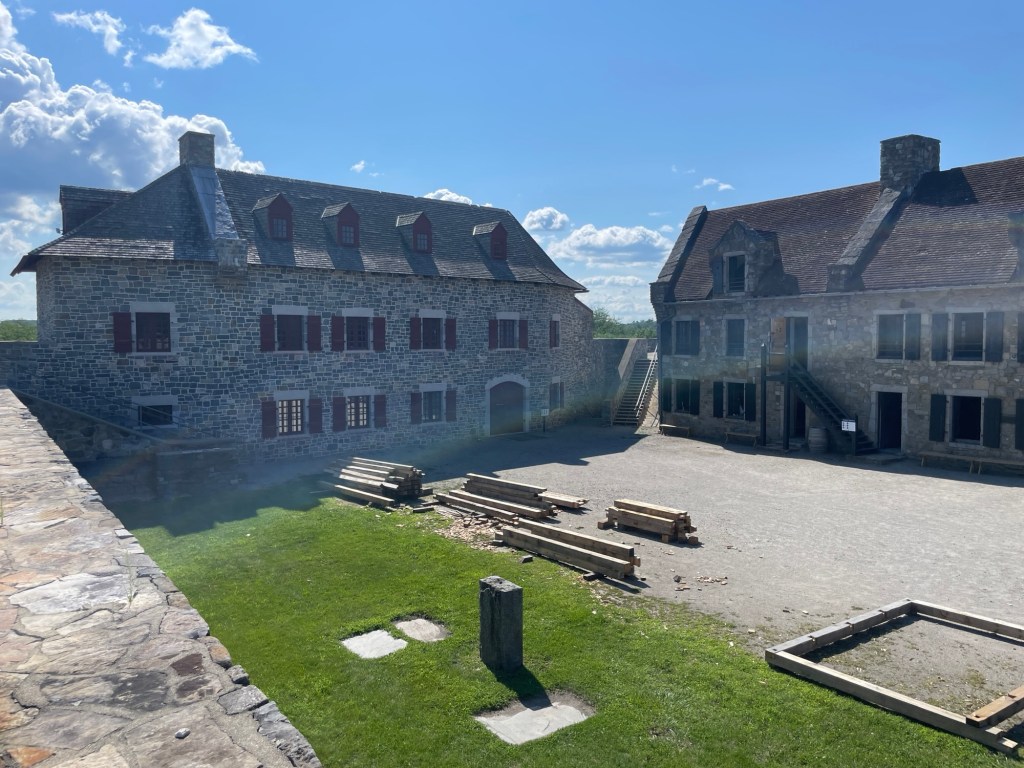
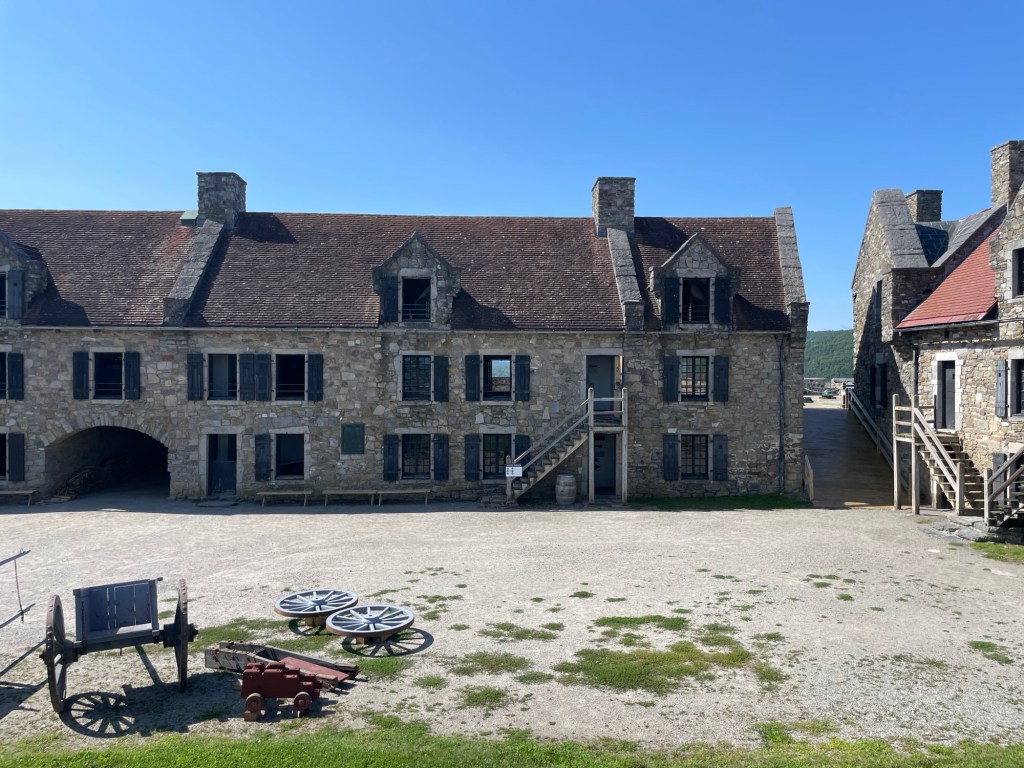
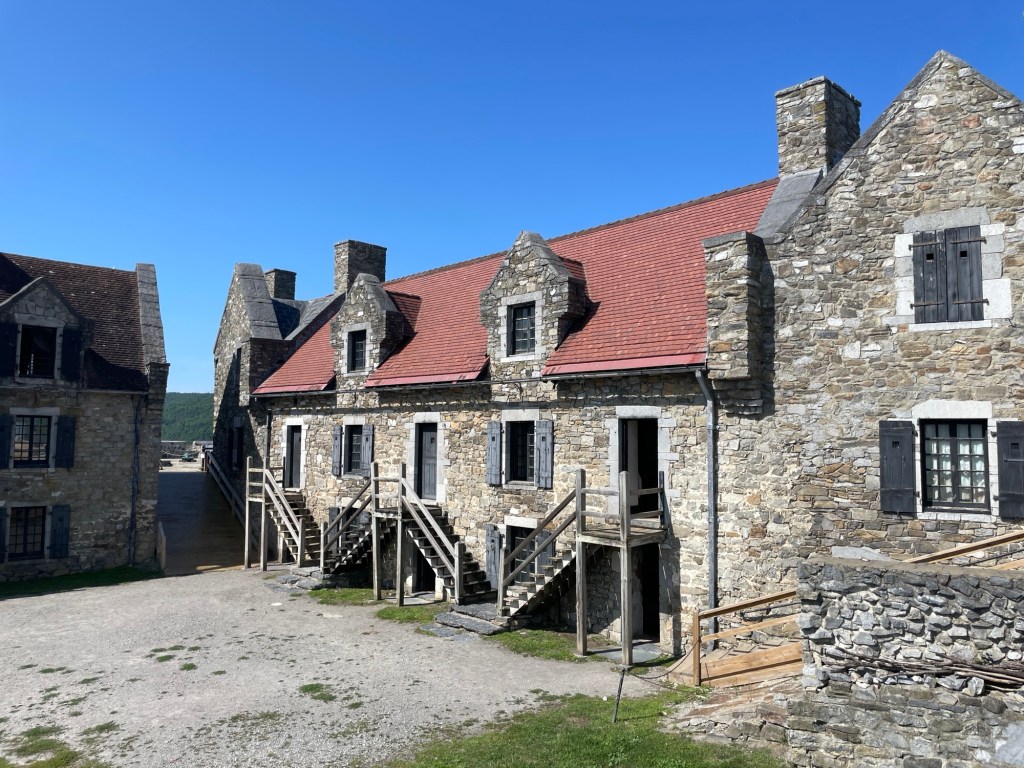
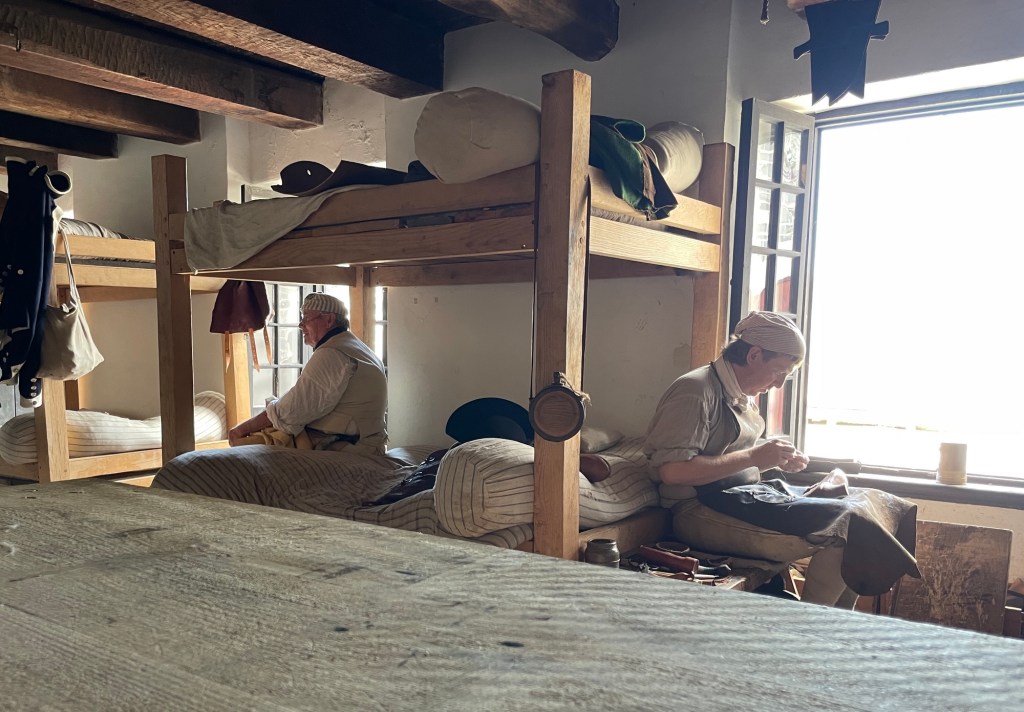
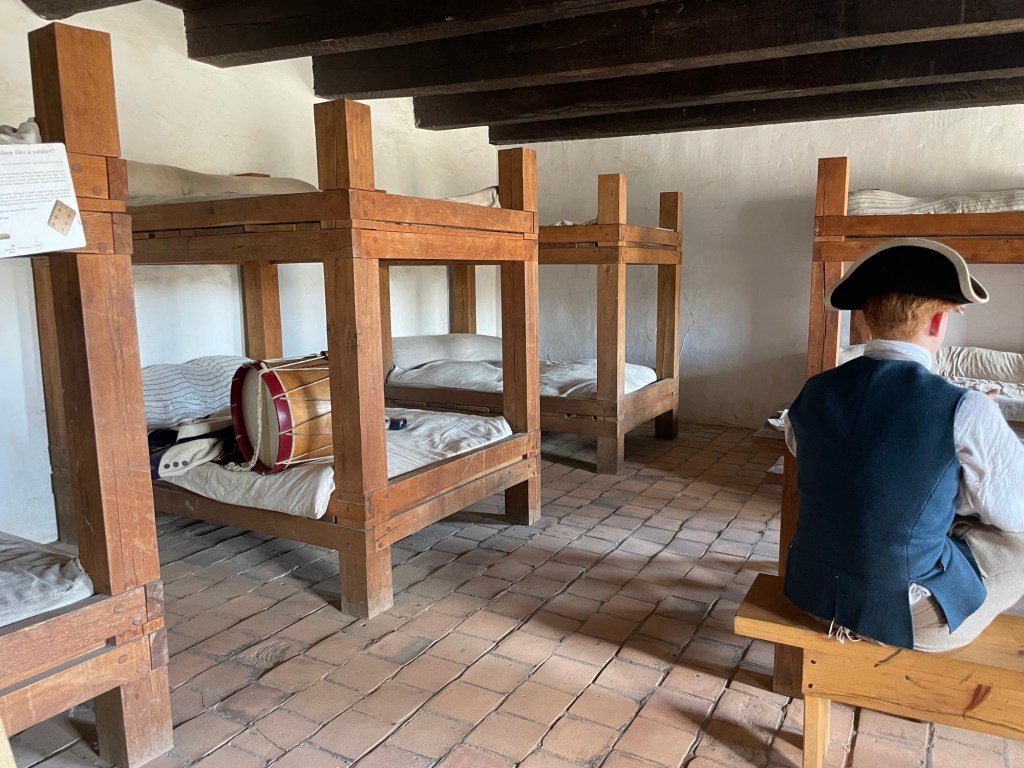
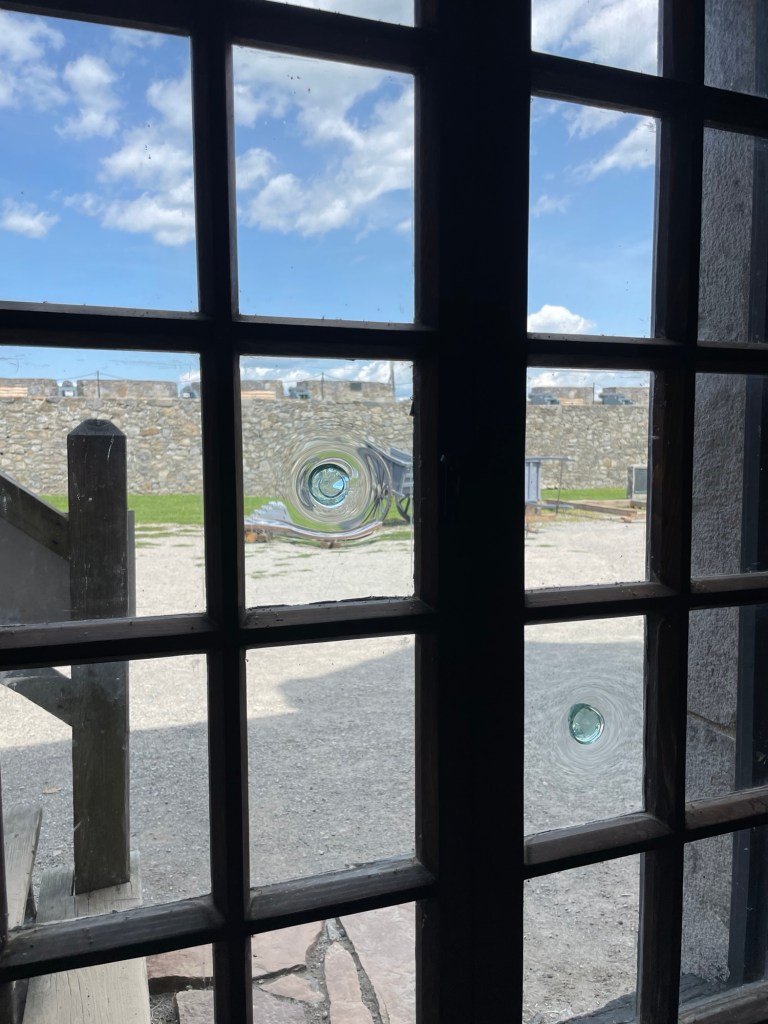
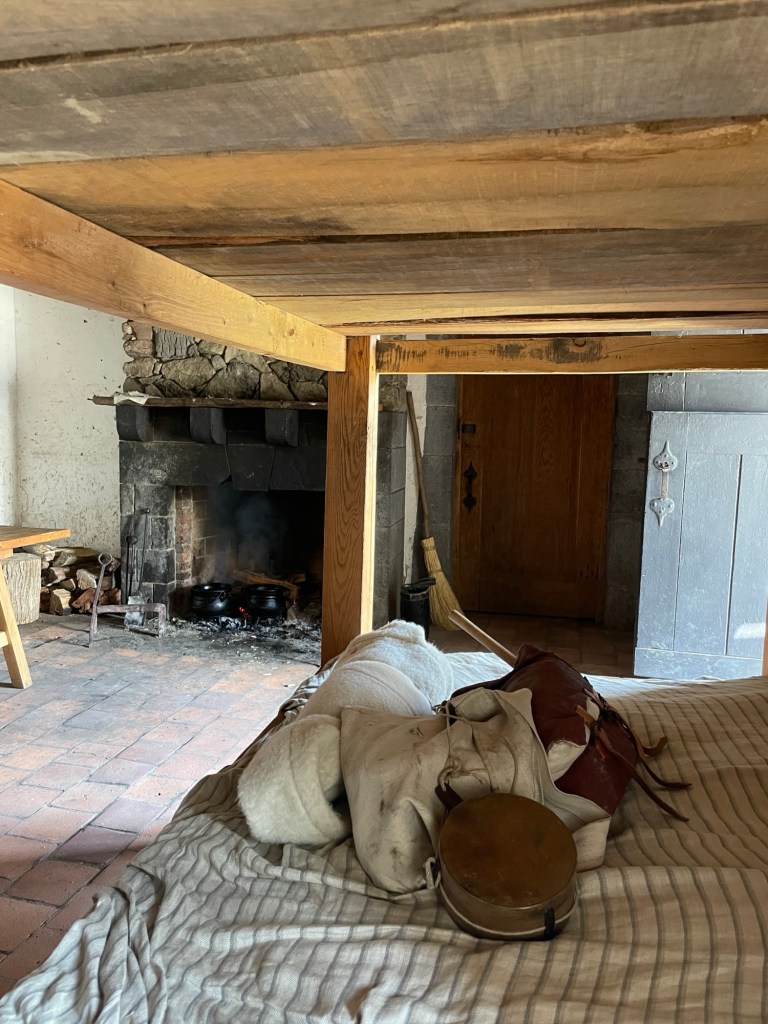
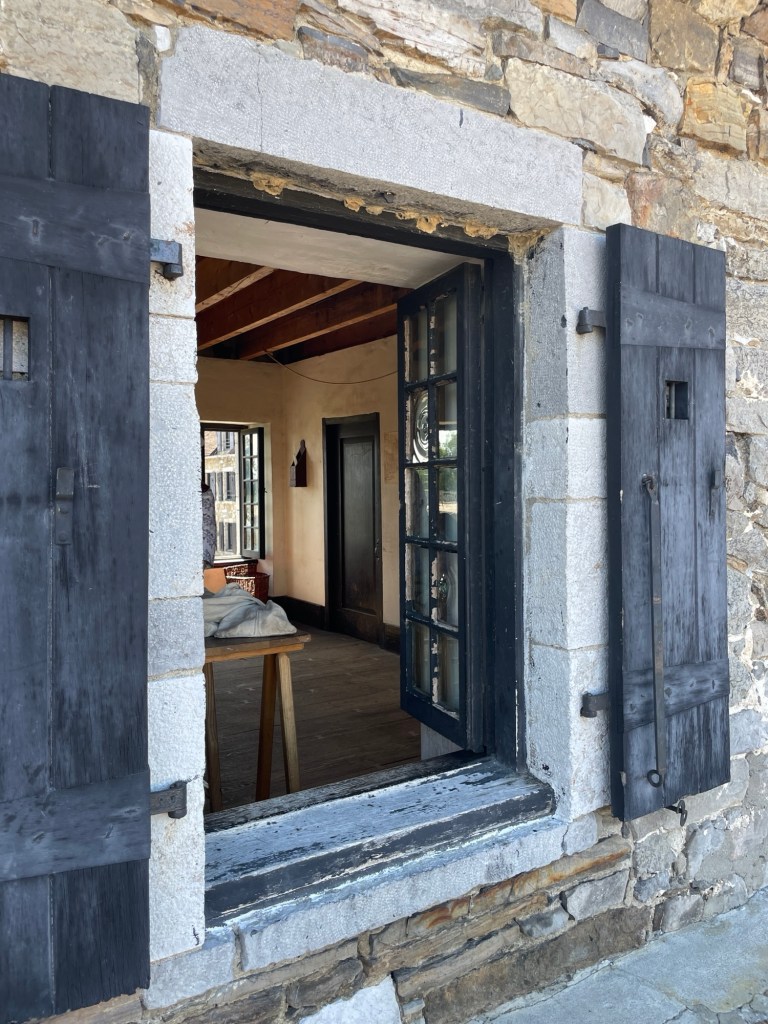
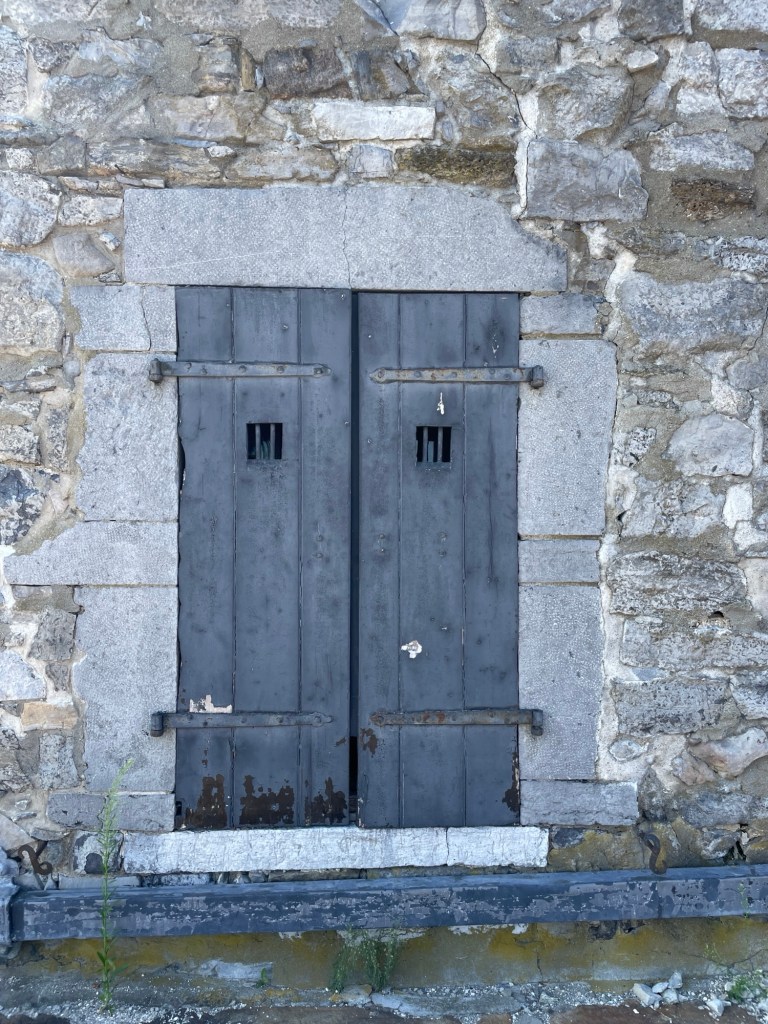
Fort Ticonderoga, like Crown Point, sits at the edge of a strategic strait. It’s obvious from this vantage point that an invading fleet would have a hard time sneaking past by this fort’s wall of cannon.The flag snapped, catching the breeze perfectly, as the flag’s carrier and the fife player worked together to hoist it.My first guess was potatoes or carrots, but these wicker baskets are actually full of dirt. They were used as makeshift walls during the fort’s construction and while undergoing repairs. While more easily breached than stone or logs, dirt is heavy and dense—as anyone putting in a brand new vegetable garden knows.Once behind the main walls, this is the entrance into the fort’s central living complex. That little plaque just inside on the right side memorializes a visit by George Washington soon after the Revolutionary War ended. He is considered the first of many visitors to this historic site.Ye olde tool and storage room just inside the main gate. Two things that made me smile are the saddle up on the top of the barrels (once a horse girl, always a horse girl) and the oxen yoke.The costuming at Fort Ticonderoga is top notch. The shoes are made by hand, on-site, for each individual, as are the clothes. We watched cobblers and a seamstress at work, and saw a soldier knitting in the complex. Another one was chopping veggies and making a stew over an open fire in the kitchen, which we later saw being delivered to and enjoyed by the staff. The cobbler noted that he has an added incentive to make shoes as comfortable as possible, as his own belly and skin is at the mercy of other people’s care and skill.This big opening on the parapet was a mystery. We had no idea what it could have been used for. It just seemed like a good way to break your neck.A sign sent us down a staircase to a locked gate. The hole turned out to be the venting for the bread ovens. We should have guessed, considering what an essential part fresh bread played in soldiers’ lives. It didn’t say, but my guess is that a flue or chimney filled that big rectangular hole. Through this gate, you could see that work was being done to build the inside of the bread oven.At this point, we were pretty impressed by the state of the fort. The back of the fort, however, was another matter. Stone masons are busy repairing spots where stones have spalled out of the wall due to countless frost-heave cycles. We read a sign that explained that when the original owners began restoration ages and ages ago, there was little left of the actual fort. The impressive condition of the buildings made a lot more sense then.What IS up with this wall? Funny story that. When the original restoration began, seeing that the interior buildings were all built from locally quarried stone, the owners misinterpreted things and assumed that stone was also used to build the exterior walls. But modern archeologists discovered that the exterior walls were actually made from locally felled and extremely well fitted wooden posts similar to the ones seen here. Fort management has chosen to maintain the current albeit inaccurate walls and use them as a teaching point. They highlight the importance of enlisting experienced historians and archaeologists and show that new findings are an ongoing part of historical interpretation.East buildingSouth building West buildingCobblers at work in their personal quartersA staff member having lunch. Note the unglazed tiles on floor. They probably did a lot to keep things clean and would have stayed relatively cool in the heat of summer. I wonder if they made the rooms feel extra cold in the winter or if they absorbed heat from the fireplace and radiated it back into the room. I wish I had thought to ask. What do you think?Two beautiful attachment points on panes of handmade window glass.A costumed staff member dropped his gear on a bed before starting to make the staff lunch (vegetable beef stew).The fort is a bit expensive to visit, don’t even get Jeff started on that topic, but I love the little peeks it gives, sometimes literally, into the everyday lives of soldiers during the 1700s.Wicked cool shutters
***
Side note: Tonight as I was sitting at the entrance booth (one of us does that from 5-7pm W-Su), I heard rain suddenly crashing down all around me. Since we had something electronic plugged in on the picnic table back at the camper, I called Jeff in a hot panic to make sure he grabbed it. He didn’t see why I was so wound up; it wasn’t raining a drop by him. And it never did. I was an easy 5 minute walk away, only separated by some woods. Down at the lake, another 5 minute walk from the camper, our ranger was getting a light sprinkling. New Hampshire’s weather wackiness has happened more often than you’d think possible during our stay here.
LikeLoading…
Discover more from HMS Beangle
Subscribe to get the latest posts sent to your email.


Leave a Reply