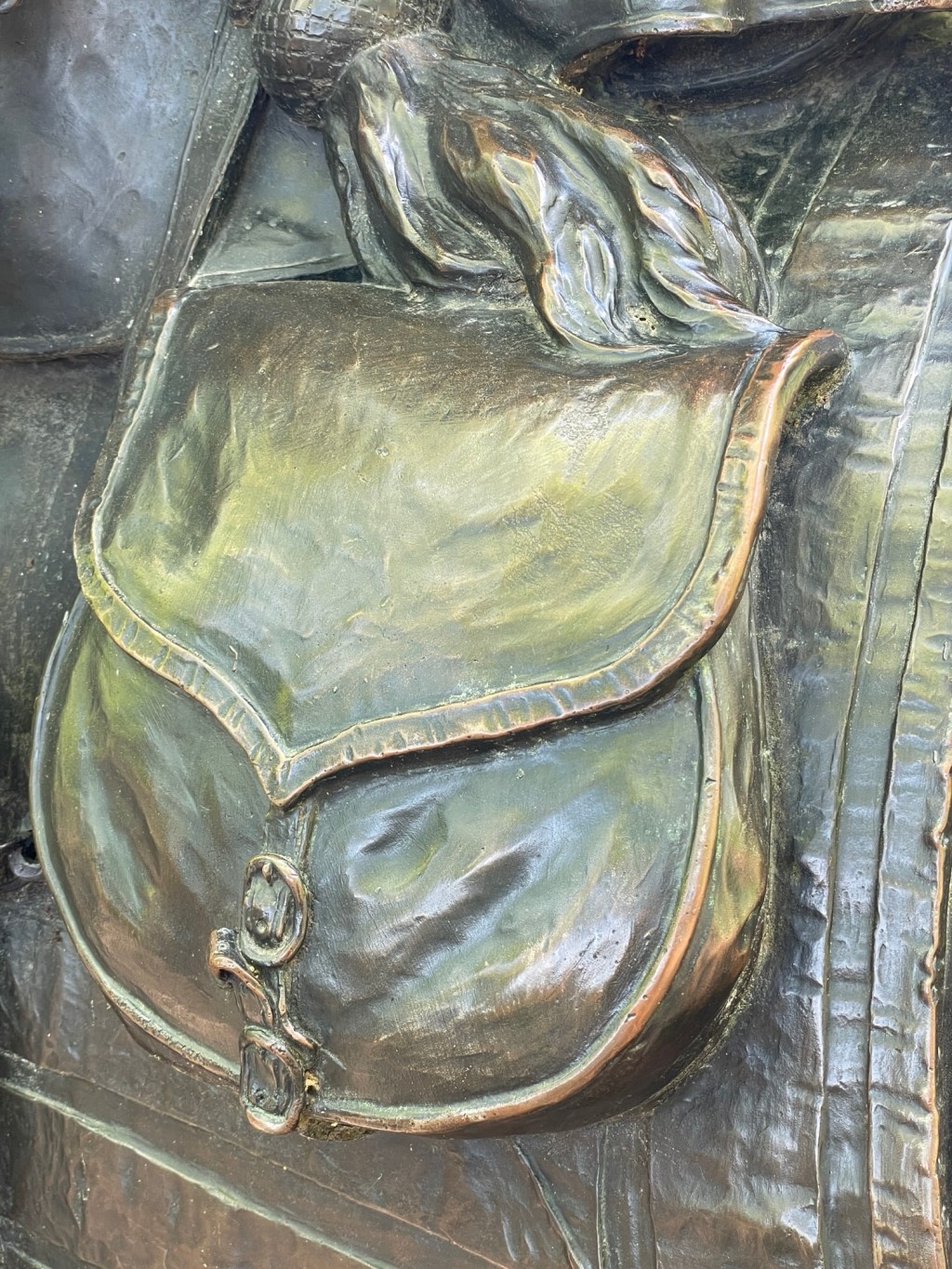
It’s 163 years since the three day battle of Gettysburg (July 1-3, 1863) concluded and Lee’s army slipped back into Virginia (July 4, 1863). The following are my thoughts related to the battlefields we visited in Virginia and Pennsylvania. I admit that by the end of them, I was a bit battlefield and Civil War’d out. Although I’ve talked about these specific battlefields and the larger Civil War a good deal with Jeff, and to a lesser extent with Bob and Pam of the Airstream, my experience is not theirs and it won’t be yours. While the four of us shared common ground on many things, we did find some differences of opinion in others. So grain of salt, and all that.
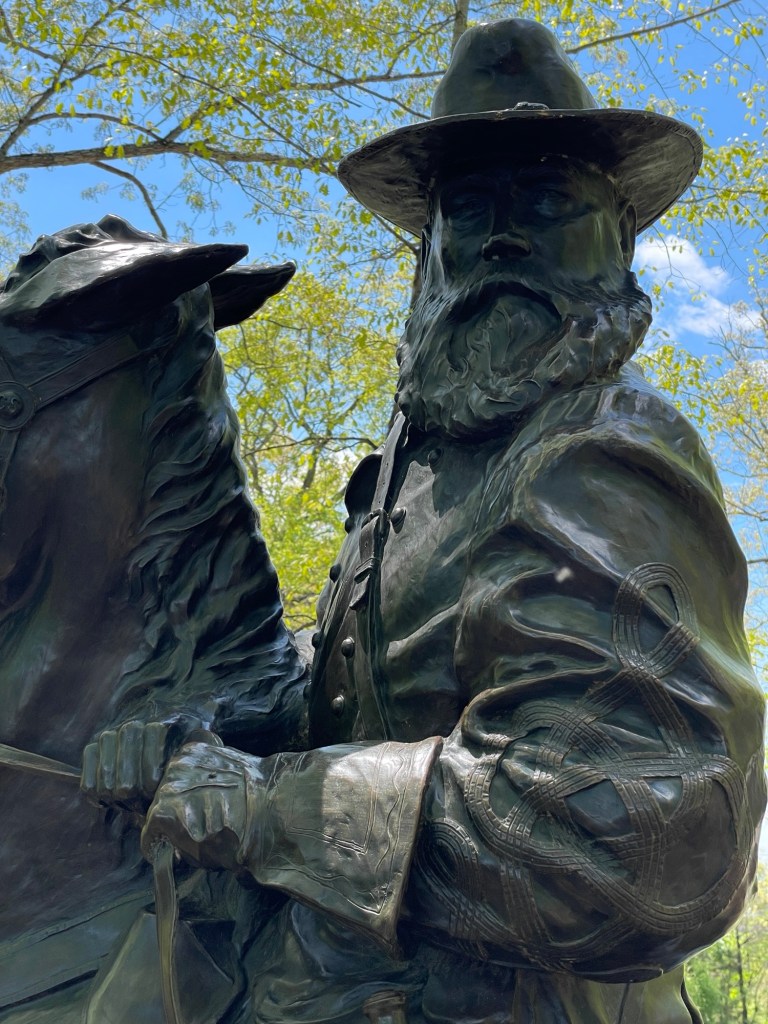
A hill I will die on.
I never expected to be someone who would have opinions about anything Civil War related, but I do. Oh, I so do. There are things, events, and people that I feel quite strongly about now. Who knew?
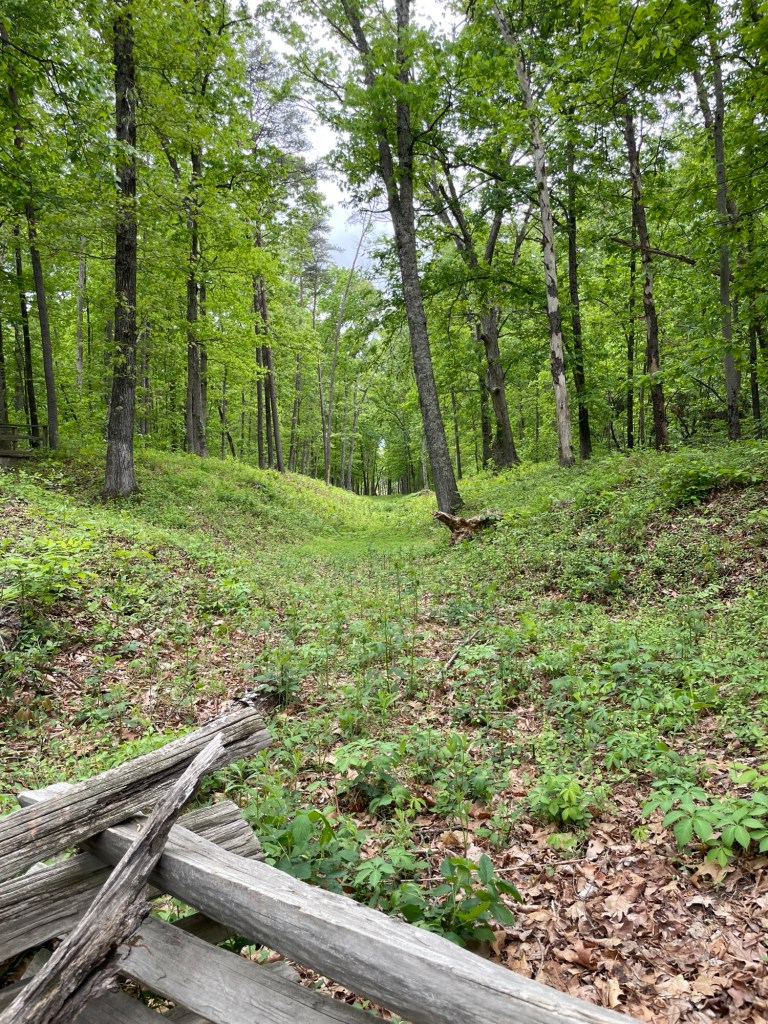
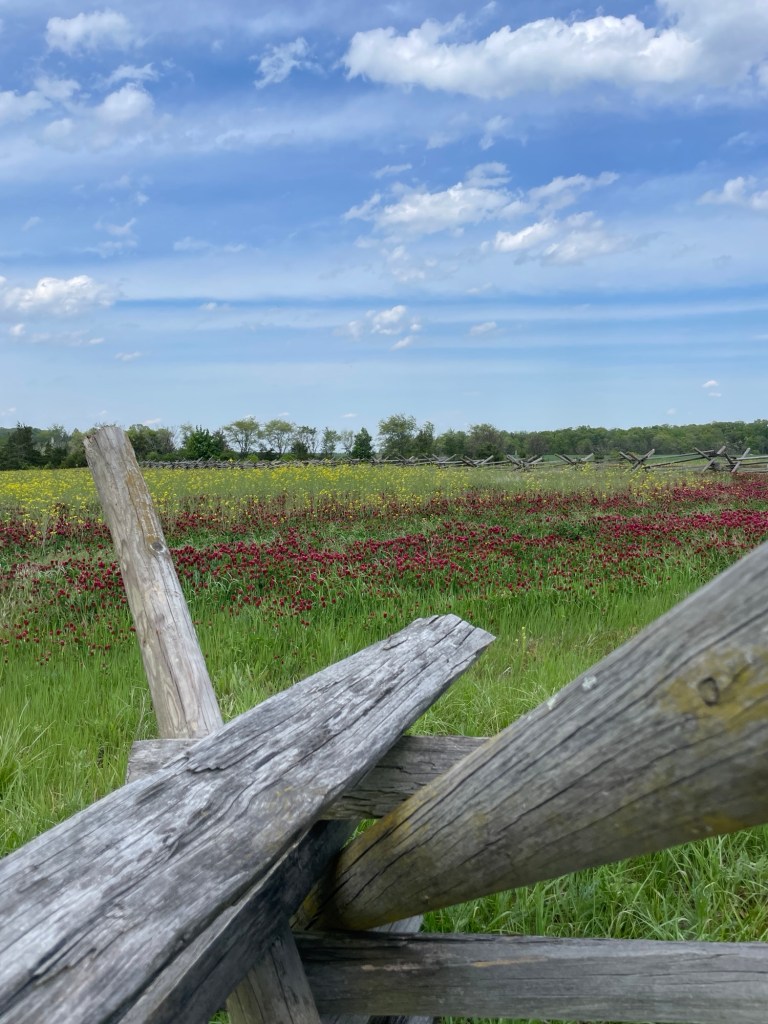
One of the things that has struck me the most, which is both obvious and yet startling in its stark Well, now that I’m standing here reality, is how much of the fighting was guided by the terrain. Infantry, cavalry, artillery, and officers (as well as all of the support staff and hangers-on that followed the troops) were either sheltered or exposed, as the terrain dictated. For the poorly positioned, sunken roads, unfinished railway beds, river banks, dense brush, and fences became obstacles to clamber over, under, or through.
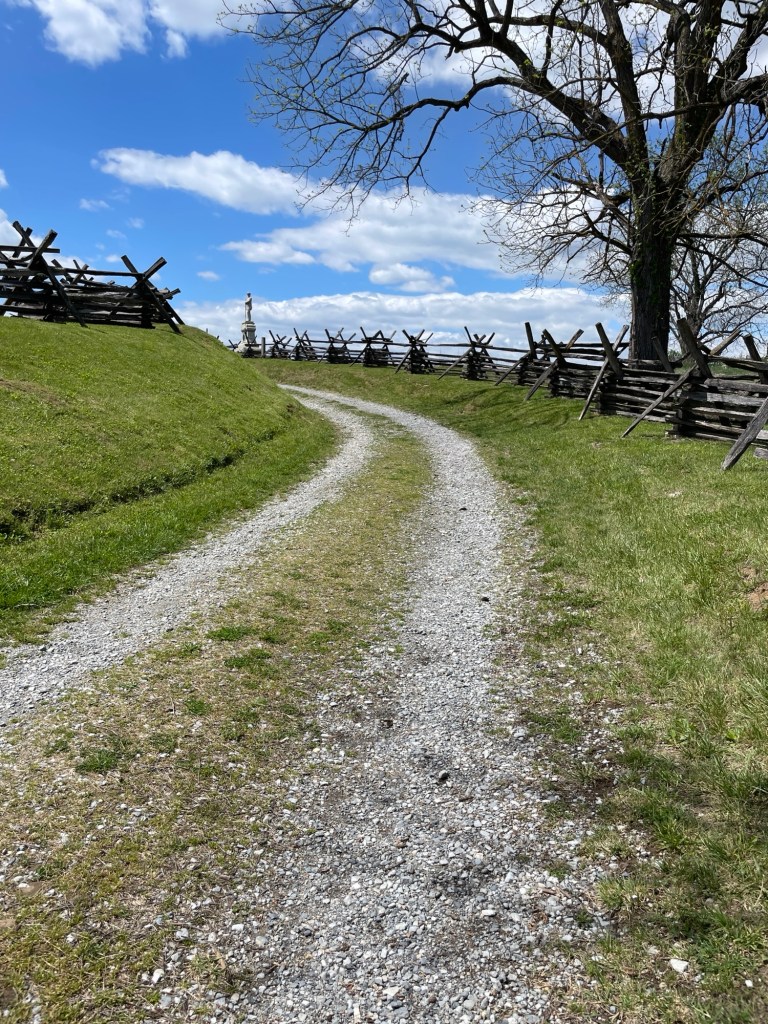
For the fortunate, the terrain provided protective cover to hide behind, snipe from, or lay in wait. Private homes and farm buildings were commandeered as headquarters, hospitals, protective shields, and ambush sites. As such, private property was often set alight during retreat to deprive the opposing forces those same uses.
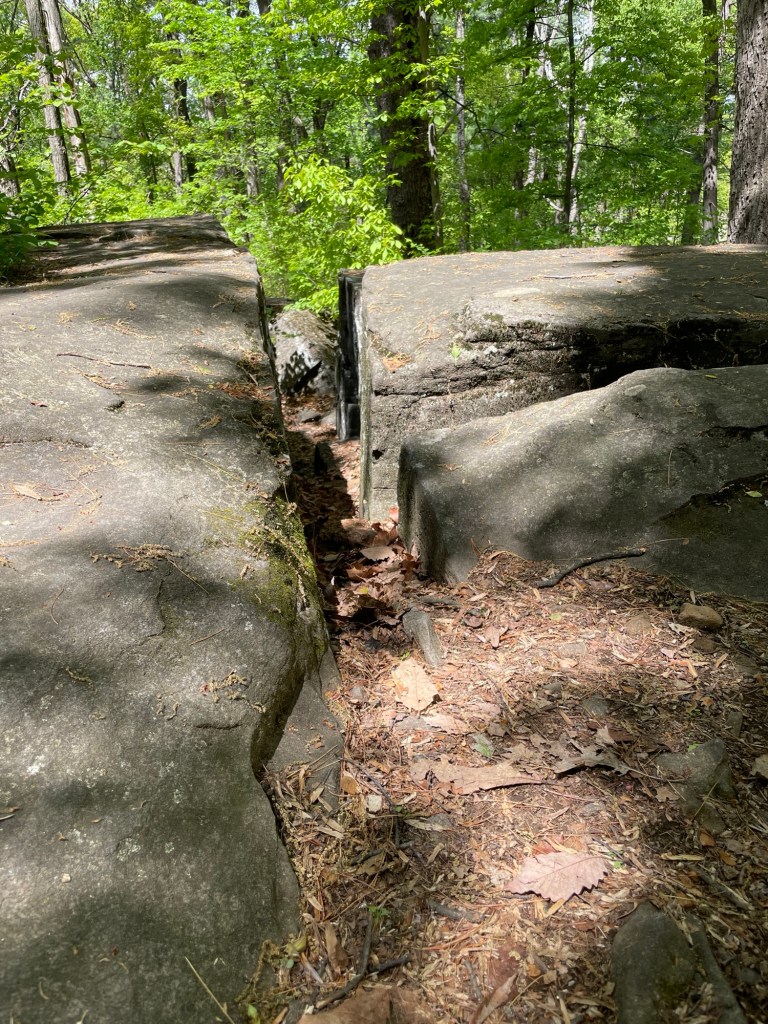
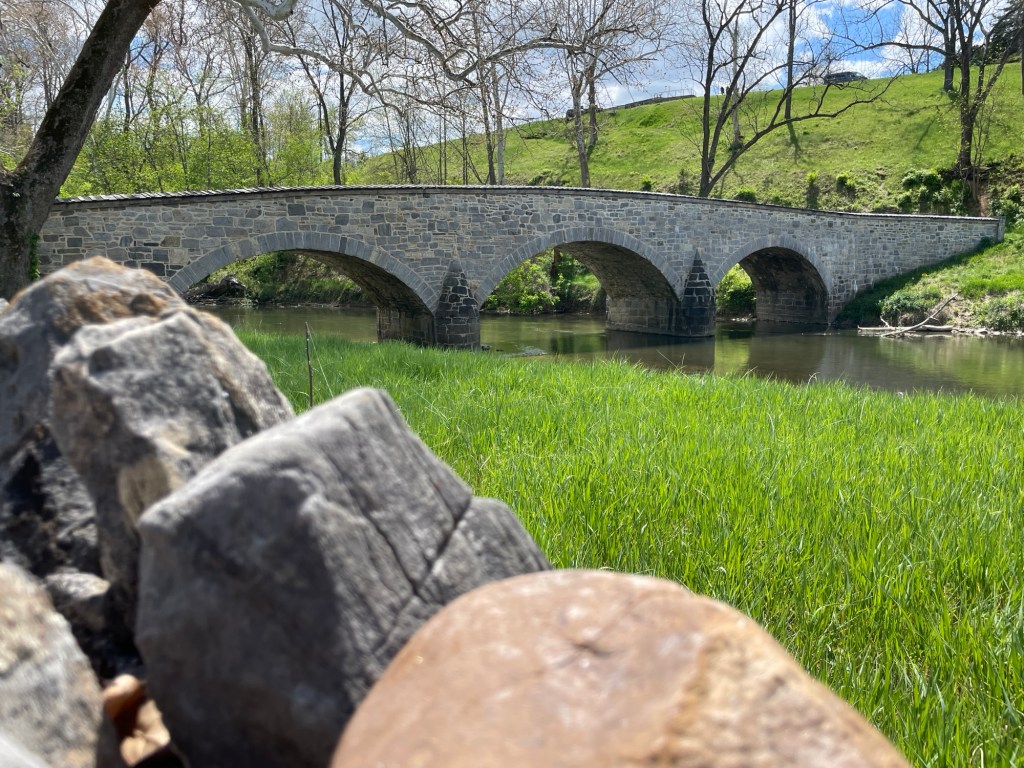
Corn fields, orchards, bogs, and forested areas were used as screens to hide troop movements or as impediments to the other side’s movement. As for hilltops, ridges, and natural embankments, attaining the high ground means a lot more to me now. Bridges and fence-lined roads, on the other hand, corralled troops as easily as they did livestock, making marching soldiers especially vulnerable to attack. Reading about these places, and I’ve read a lot about them in the past year, didn’t come close to understanding how the terrain interacted with and influenced the battles.
I find it horrifying to think of the families (by this point, often just women, children, the elderly, and the infirm) who raced from their homes in fear, ultimately returning to find corpses, the severely wounded, and the dying, scattered and planted throughout their property like so much sorghum. In a sick final insult to local residents, retreating soldiers were sometimes even known to foul wells by tossing amputated limbs and corpses down them. Wood floors were often so drenched that their dark red stains proved impossible to remove. I can easily understand why people sometimes chose not to remain, even if they still did have structures standing. The toll that all these losses took on families who struggled to get by in the best of times continues to haunt me. What miserable creatures we humans can sometimes be.

Insurance is such an everyday piece of our lives that I don’t know if I can really fathom what it meant to lose everything simply because a foraging army passed by or someone decided that a battle was going to play out in your front yard. No State Farm agent was on hand to help make things right when a family’s farm was burned and their corn trampled into the soil. Geico didn’t send an appraiser when a peach orchard was splintered to toothpicks by cannonball fire. USPS didn’t deliver a check from Nationwide to help restore the financial pieces of a livelihood rent by war. As for the government eventually paying you for your losses, don’t count on it. Abraham Brian, for example, lost his entire 12 acre farm — home, belongings, and all his crops (this was July, remember) — over the course of Gettysburg’s three day battle. He received $15, about $300 today, in compensation.
I can’t even.
And there were just so so so many ways to die in or from these battles. Vastly improved weaponry, heavy reliance on older battle tactics, widespread lack of ammunition on hand (“Bayonets!!”),* and rather medieval medical practices made for a particularly deadly combination.
Watching the introductory films, reading the informative signs while roaming the battlefields, and listening to audio tours while investigating as many nooks and corners we could find opened these places like no book, film, or documentary had. I can’t stress enough how much it means to visit these places in person. To be open and curious. To get uncomfortable. To not be in a rush to hit the gift shop. Visiting all of the places we have these past ten months, but especially these battlefields, has led me see history as having a tendency to crawl through the decades like a sleepy dog, until it suddenly leaps forward, teeth bared and snapping, with a technological rush.
Another surprise I had by visiting was how much smaller the battlefields were than I expected. They’re tight, compact, even intimate. I’ve seen sports fields bigger than some of them. Cross Keys and Port Republic, just outside of the southern Shenandoah National Park entrance, come immediately to mind. These men saw the dirt on the faces of the men they were shooting, heard the grunts as they bashed in someone’s skull with the butt of their rifle, and smelled their own and their enemy’s terror.
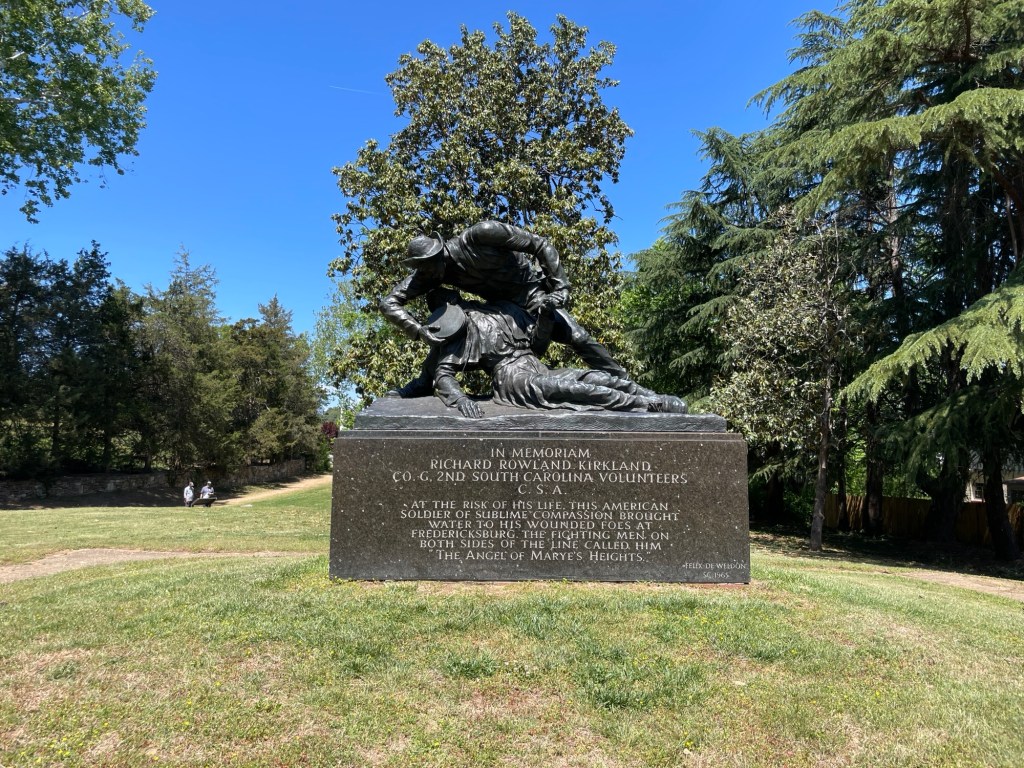
But, as shown above, in the midst of incomprehensible horror and violence, there were also moments of extreme compassion and care. I don’t know what it takes for someone to muster up the courage to walk onto a morning’s momentarily quiet battlefield to give water and warm coverings to the enemy’s injured soldiers. Whatever it is, I doubt I have it within me. Both sides must have recognized it though, because it’s said that not a single gun fired on him the entire time he moved among the approximately 8,000 dead and wounded. In an era when the suffering of others is commercialized, serialized, and presented as entertainment, the brave and selfless act of this young man stands in ever greater relief. I’m sorry to report that he never made it home. He died at the Battle of Chickamauga, in northern Georgia. Richard Rowland Kirkland, may time forever remember and honor your name.
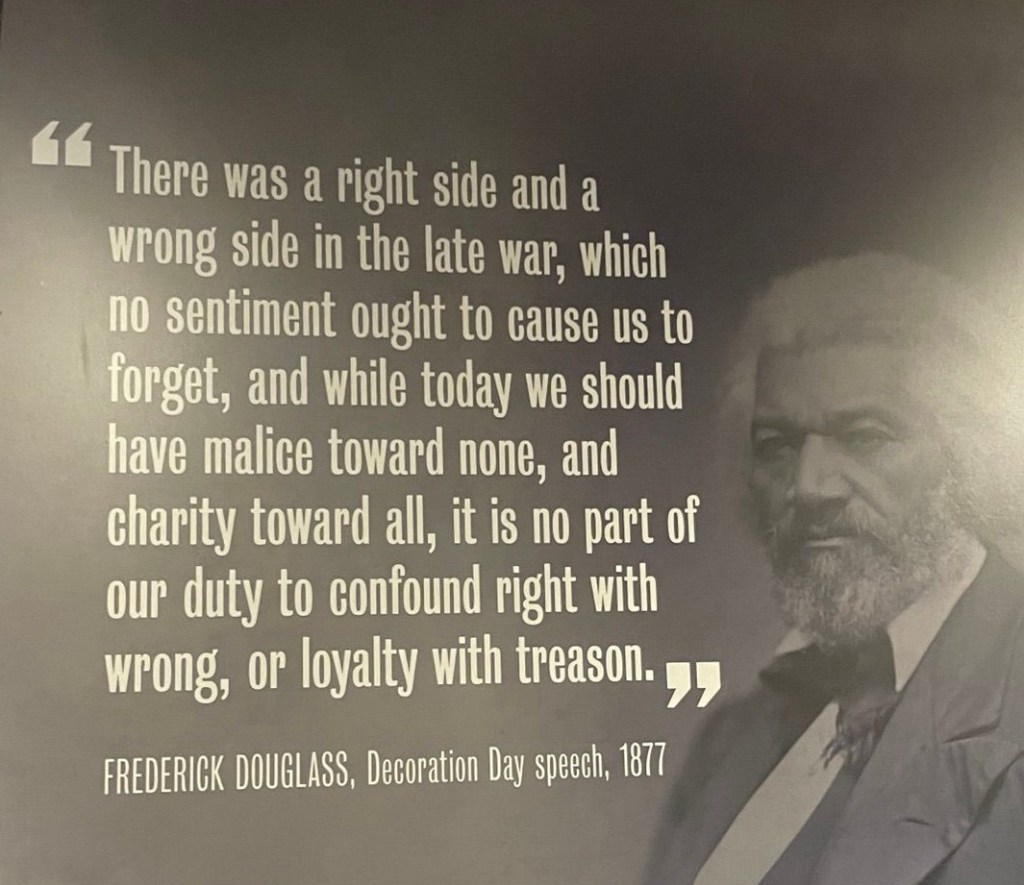
There are a lot of quotes on the walls of the many battlefield visitor centers, and they cover every possible topic from the causes to the aftermath of the Civil War. There has also been some rather deep-tissue massaging of the same to soften or excuse reality, but for my part, the above quote brings it all to a fine point.
Well put, Mr. Douglass.
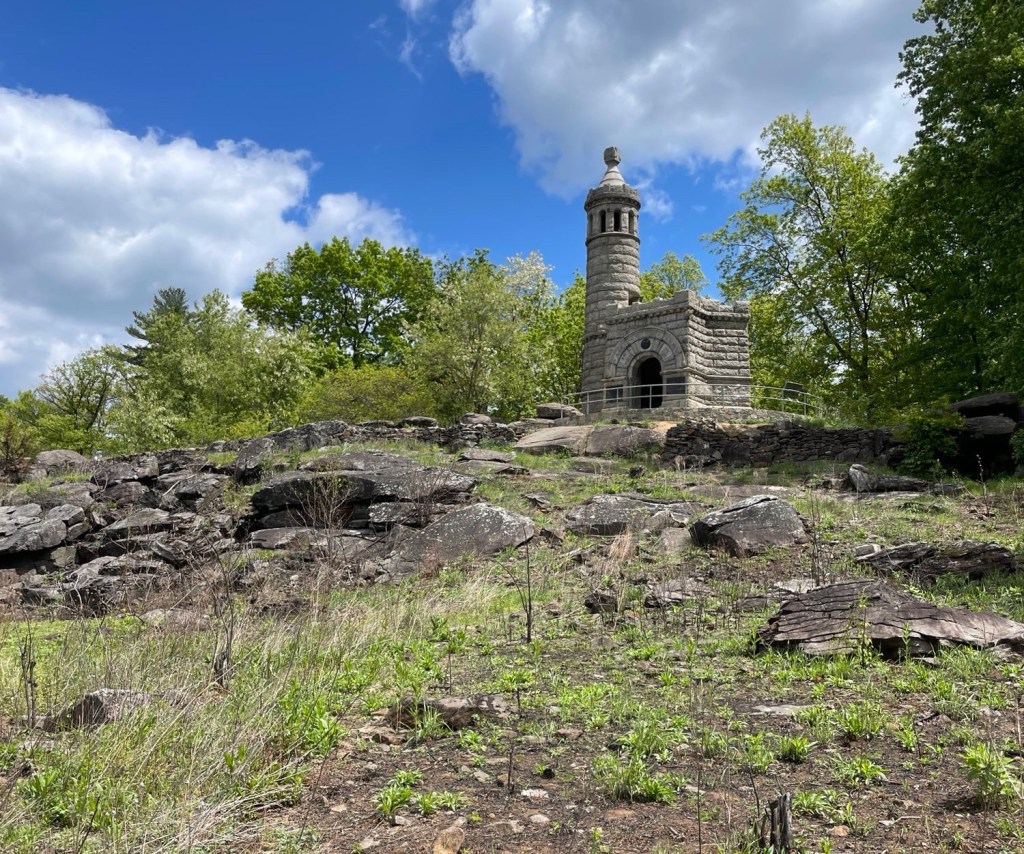
If you’ve ever been to a Civil War battlefield, you’ll have noticed the seemingly never-ending monuments that dot the landscape. Every corner, ridge, boulder, and wide open field seems to have been claimed for a state, regiment, division, brigade, or leader. Considering the sheer number of soldiers who converged in these spaces and the experiences they shared, it makes sense. Frankly, I find it hard to really fathom the numbers. When I think about the fact that almost 23,000 of the 132,000 soldiers who converged at Antietam ended up as casualties (dead, wounded, missing, or captured) in a single day, I feel my brain trip a fuse.
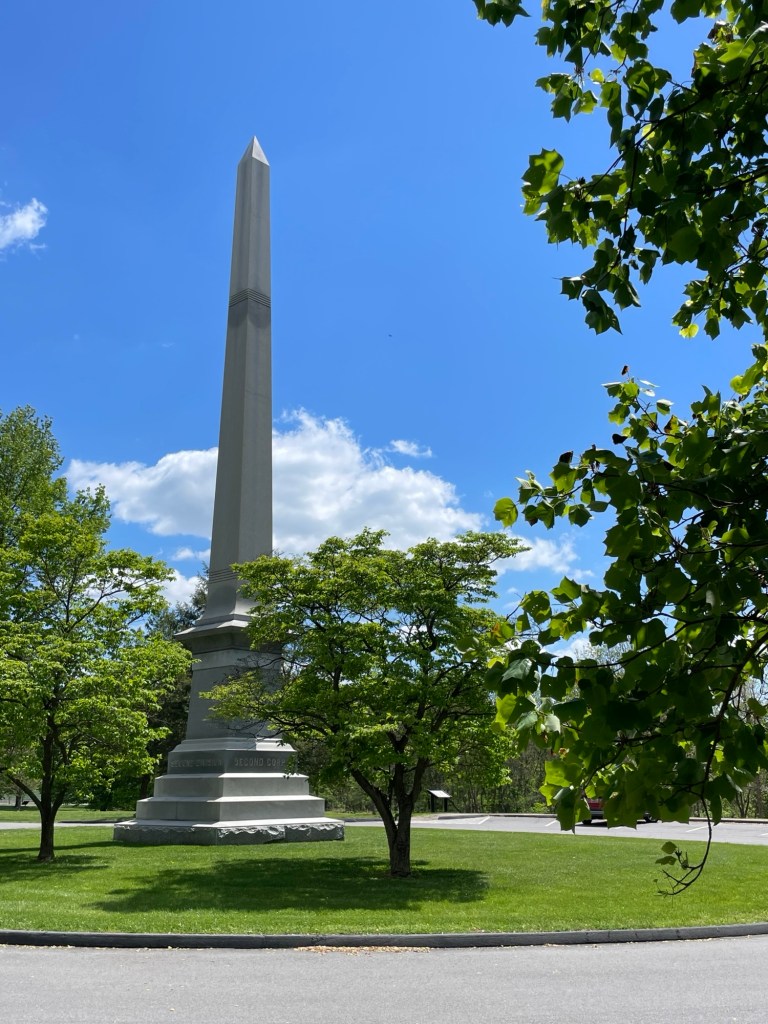
I wanted to put that number in perspective, so I looked up the population of Keene, New Hampshire, the thriving small city/large town near us. I blinked hard when I saw that Keene has almost exactly 23,000 inhabitants. I tried to imagine every person, in every vehicle, business, and home removed from participating in their everyday lives by the end of the day. Poof, gone. The population of the entire city in a one day battle. I’d never thought about the meaning of these numbers that way before.
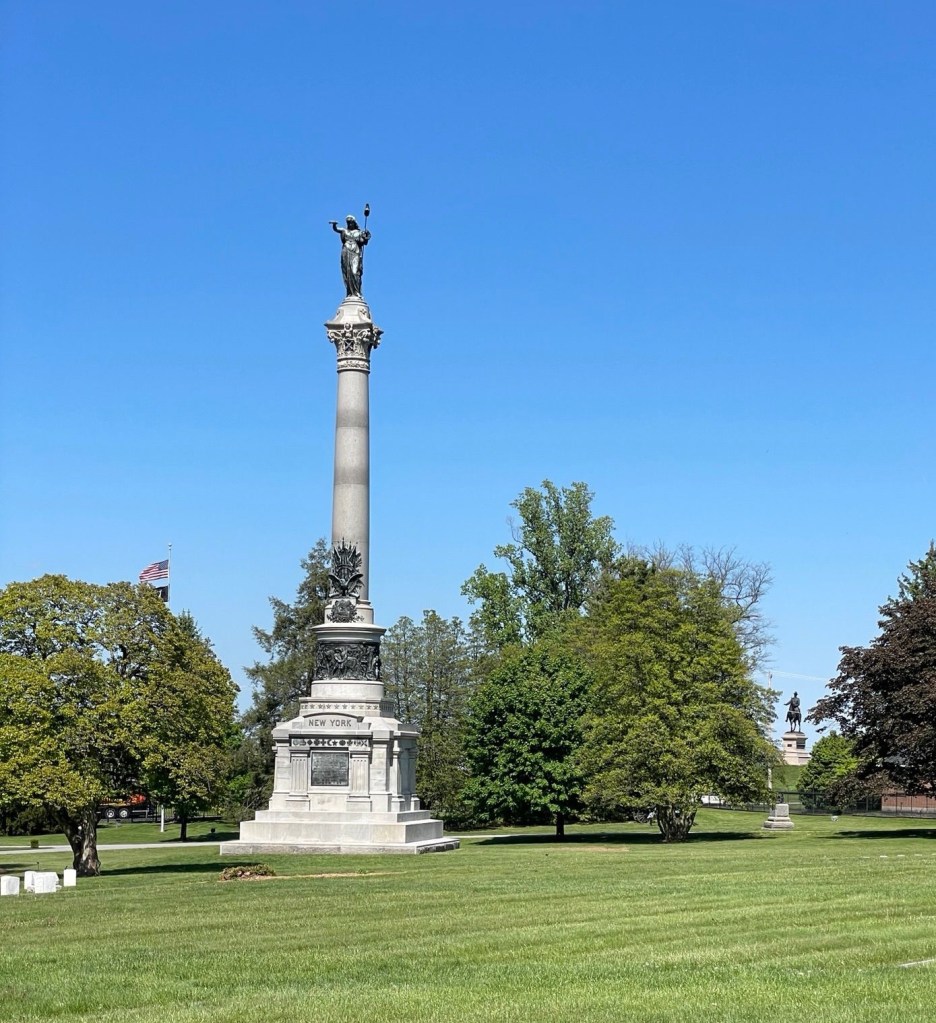
When we’re out on battlefields, I try to read as many of the monuments as I can, especially the smaller ones. It feels like the least I can do. It’s impossible to read them all, but I try my best. After a while I began to feel like a connoisseur of monuments and could often guess which state certain ones commemorated.
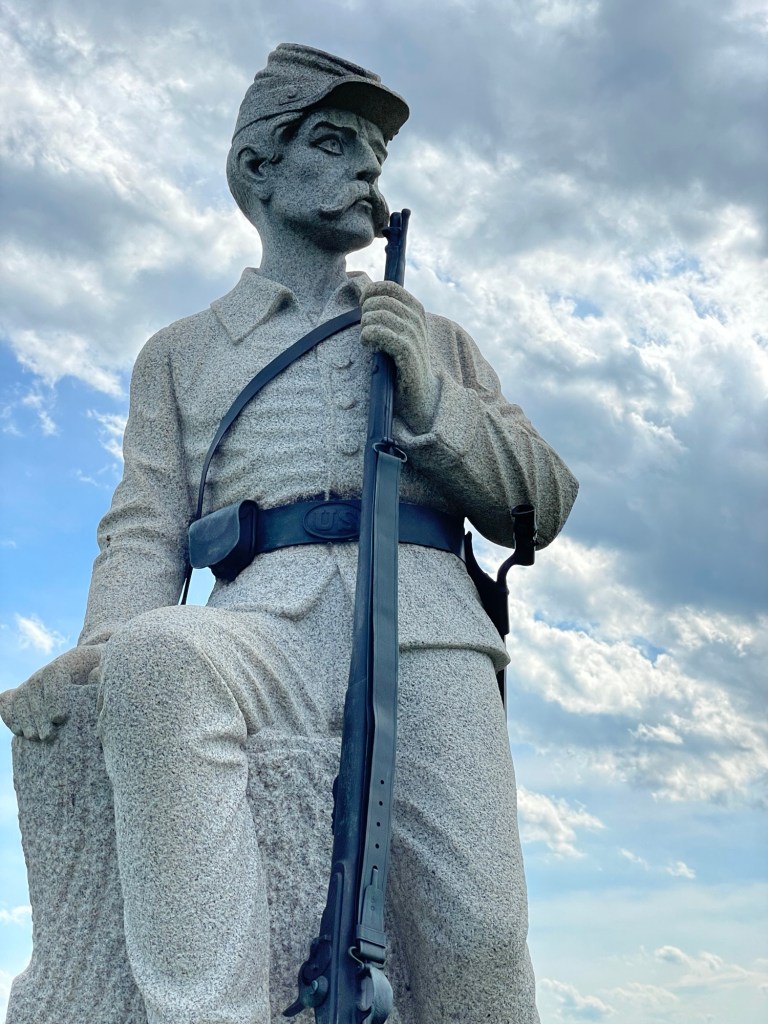
149th Pennsylvania Infantry (Gettysburg)
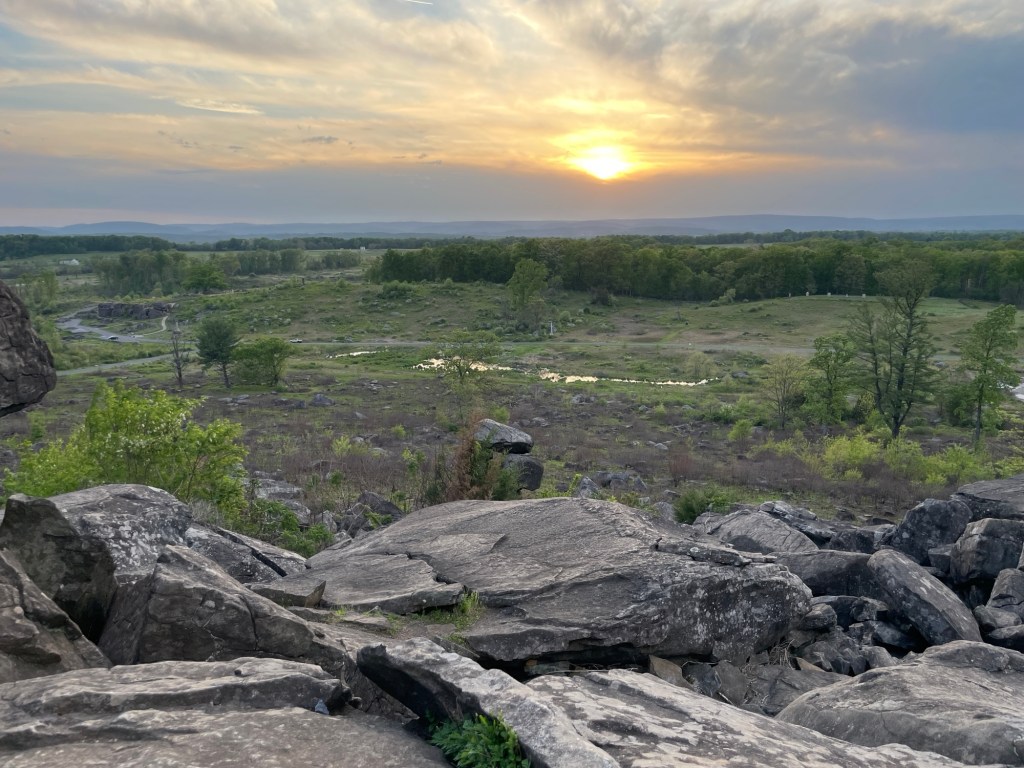
There is a lot of talk about battlefield ghosts and how Gettysburg is The Most Haunted Place in America, but I can’t speak to that as we didn’t encounter anything beyond a few prices in town that made us raise our eyebrows in shock. Those low, golden sunsets and thick foggy mornings definitely set the mood though. Good luck if you want to try some ghost hunting. You’ll have no shortage of local tours, guides, and books to help you get your spook on.



* As yelled by Union Colonel Joshua Lawrence Chamberlain (played by Jeff Daniels) in the movie Gettysburg.


Leave a Reply