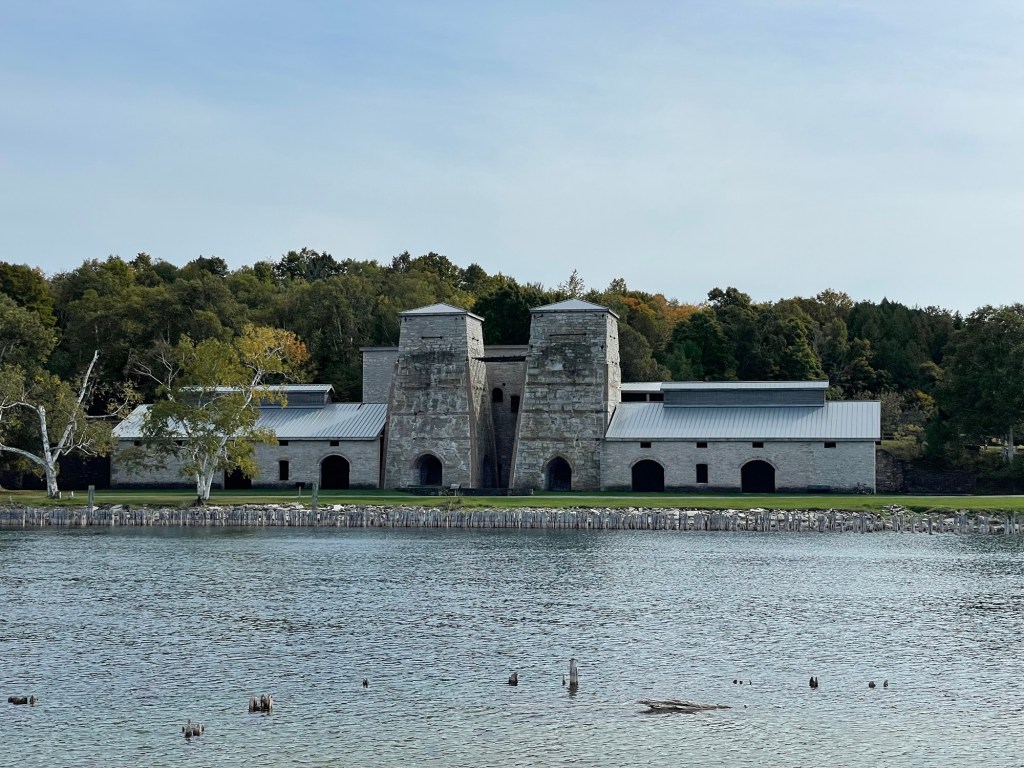
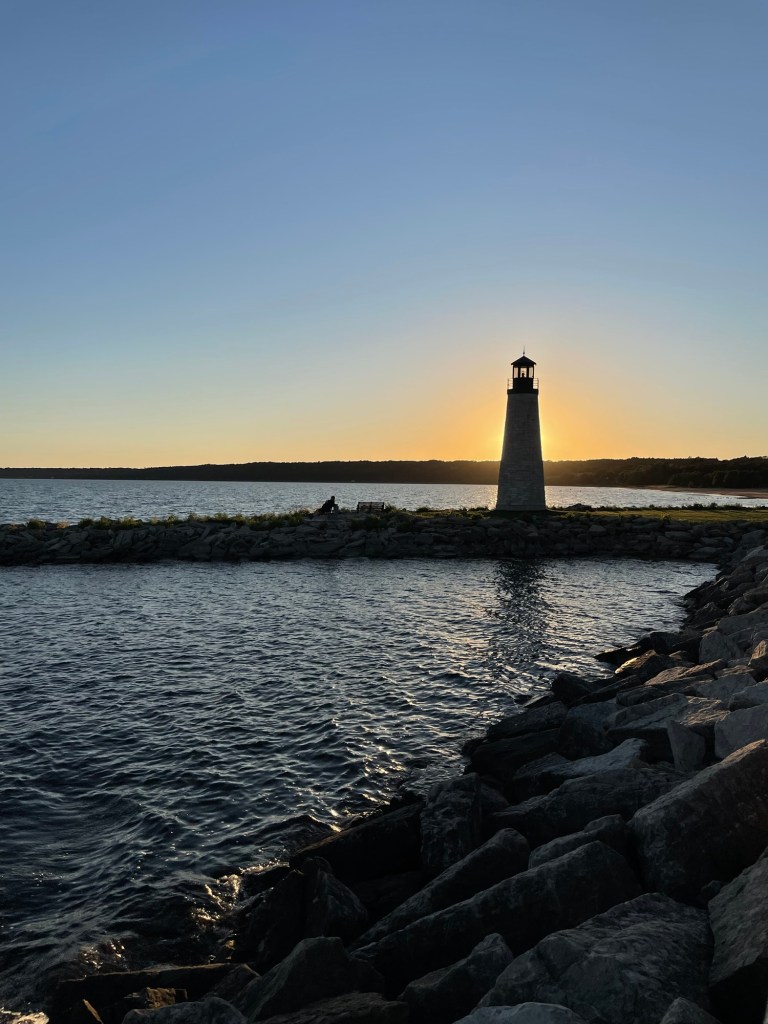
There’s no getting around the fact that Fayette — a company town on the shores of Big Bay de Noc, a peninsula on the southern shore of Michigan’s Upper Peninsula — was a major contributor to America’s Industrial Revolution and the northern states’ wealth after the Civil War. Now the Fayette State Historic Park, it’s well worth a visit if you find yourself in the area. We expected to stay an hour; we stayed most of the day.
To fast walk you through the process of making pig iron:
Iron ore was brought to Fayette and the Escanaba region on ore boats from places where it was mined, such as Michigan’s ingeniously named Ironwood, Iron Mountain, and Iron County.
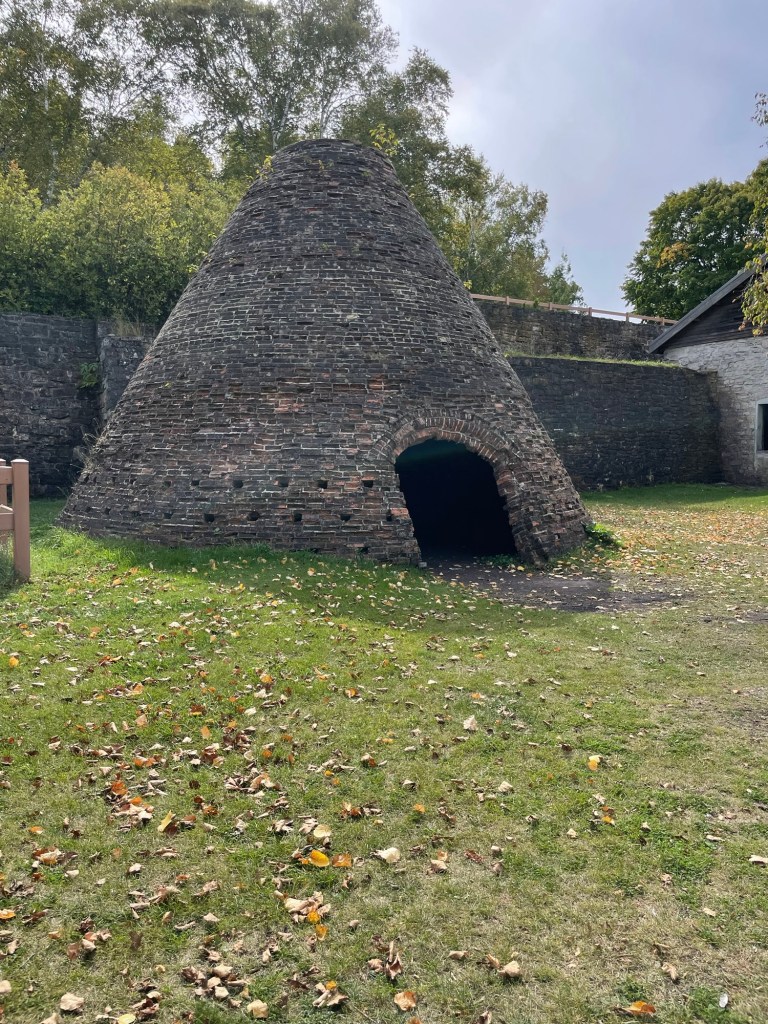
The surrounding hardwood forests were logged, floated into the harbor, and turned into charcoal in huge brick, beehive-shaped ovens.
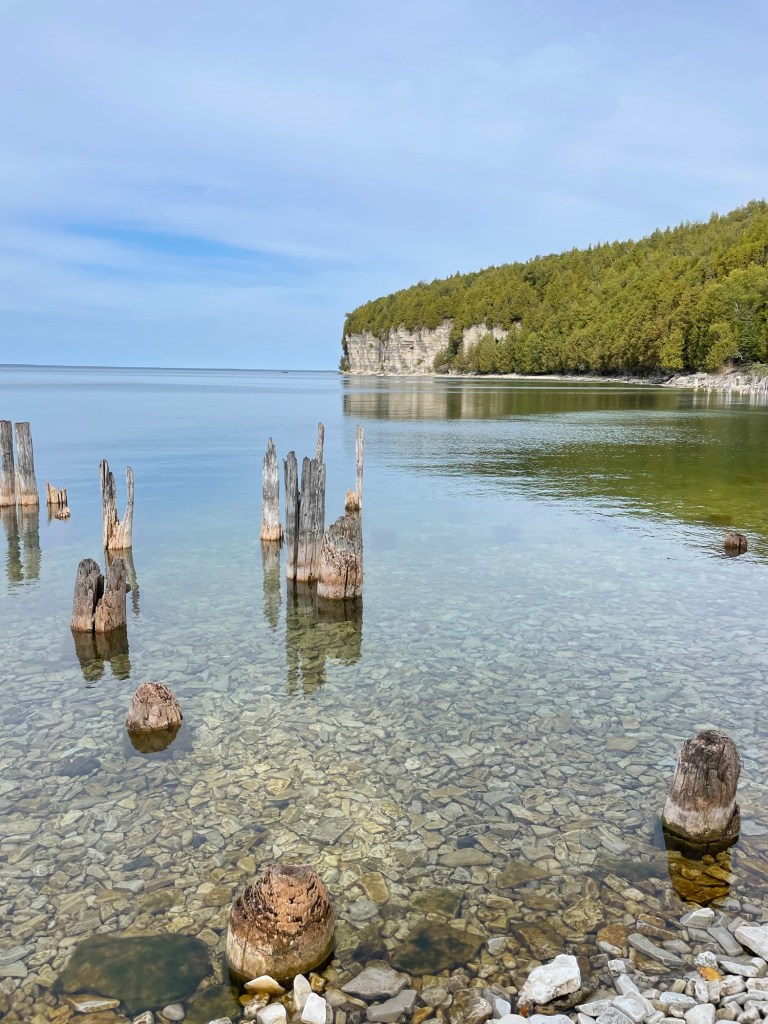
Flux and stone slabs were extracted from the limestone cliffs surrounding Fayette’s horseshoe-shaped Snail Shell Harbor.
Charcoal (which burns far hotter than unprocessed wood) was used to heat the twin blast furnaces, while flux was used to refine the smelting iron ore at extremely high temperatures.
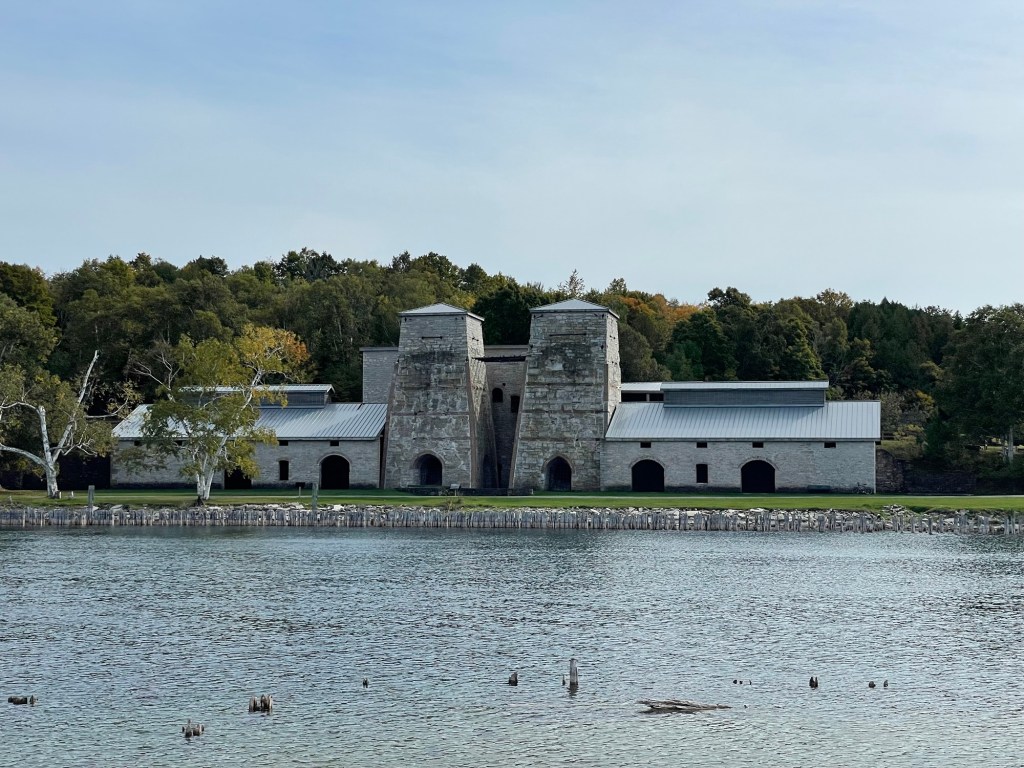
This liquid crude iron was poured into a series of hand-dug pits which branched off a thin central line. While hot, they were thought to resemble nursing piglets. Hence the name.
Once cooled, the pig iron ingots were loaded onto ore boats and floated to the steel mills that lined the Great Lakes.
Cities like Detroit, Chicago, Toledo, Milwaukee, and Pittsburgh owe their manufacturing success to pig iron smelting towns like Fayette. Even today, large iron ore barges from Duluth, Minnesota are floated down the Great Lakes and the St. Lawrence Seaway to places far and near, as water still provides the cheapest (if not quickest) form of transportation.
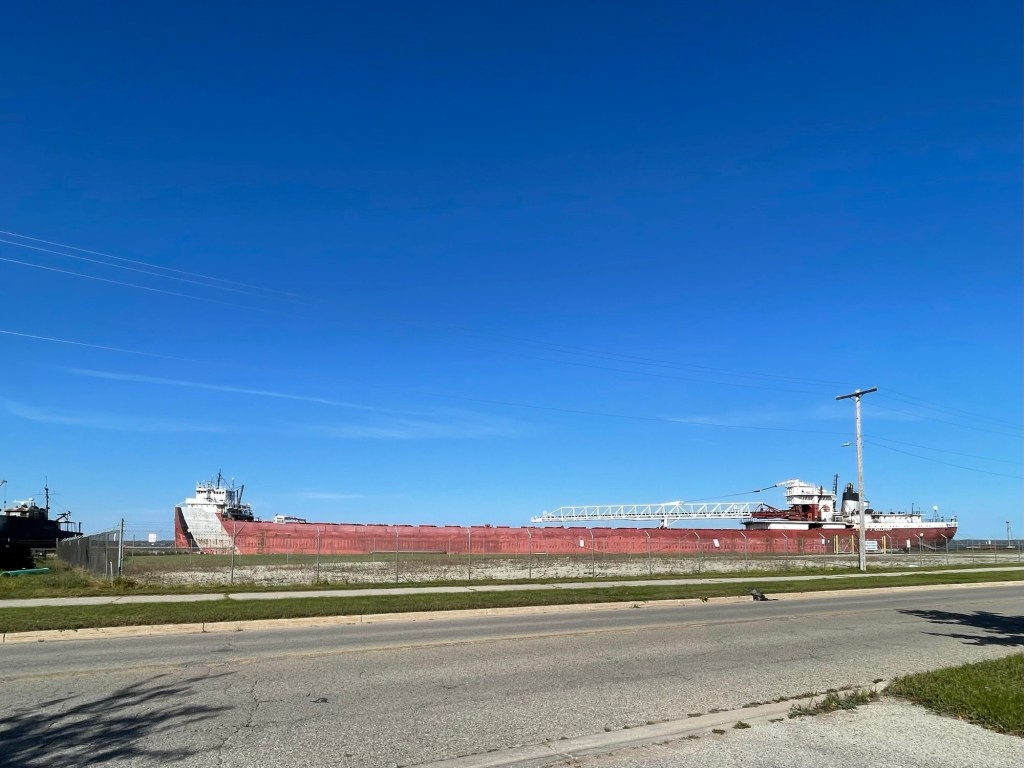
Few people today are involved in procuring or processing the raw materials that still drive our steel-dependent modern lives. After last week’s visit to Fayette, I find myself consciously thinking about the manufacturing processes and raw materials that have gone into creating the big and little things that make our current travels possible. The truck that pulls our trailer? The frame the trailer sits on? The bikes we cruise around on? The cast iron pans we cook all our meals in? Each and every one of them started with a combination of pig iron and carbon which became steel.
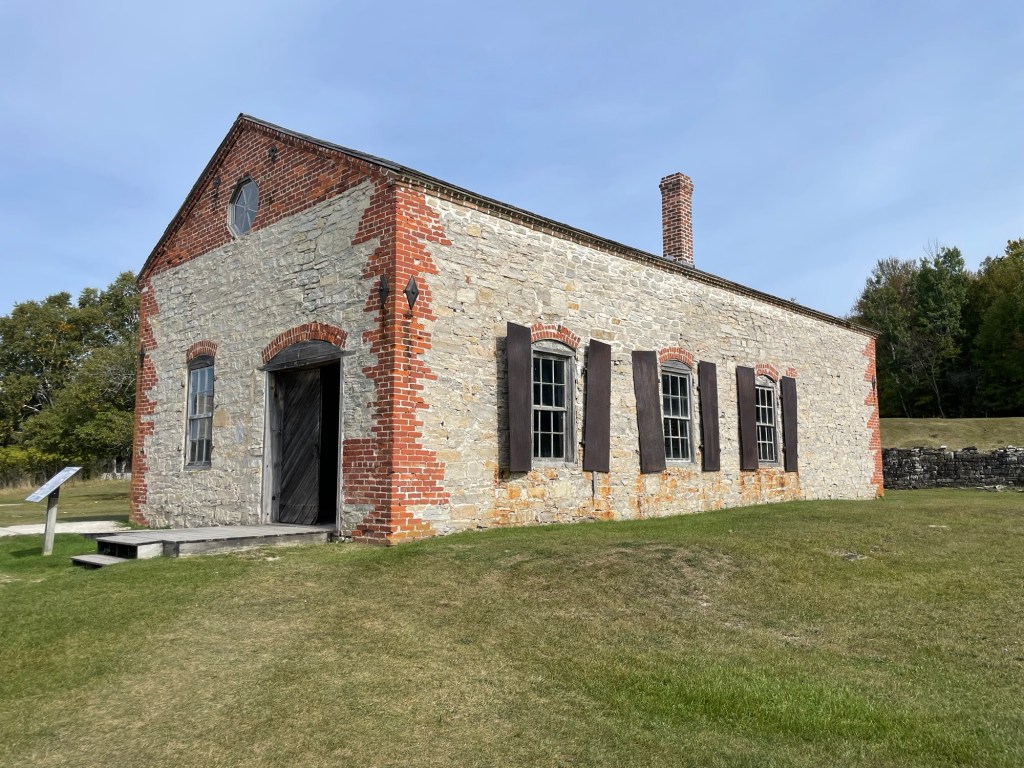
The machine shop was responsible for fixing anything and everything mechanical or electrical that broke or was causing the larger pig iron process to run inefficiently. Every day for these engineers was different. Every problem that arrived was a ‘needed that fix 20 minutes ago’ situation. The metal shutters and extra thick walls protected the rest of the site from explosions.
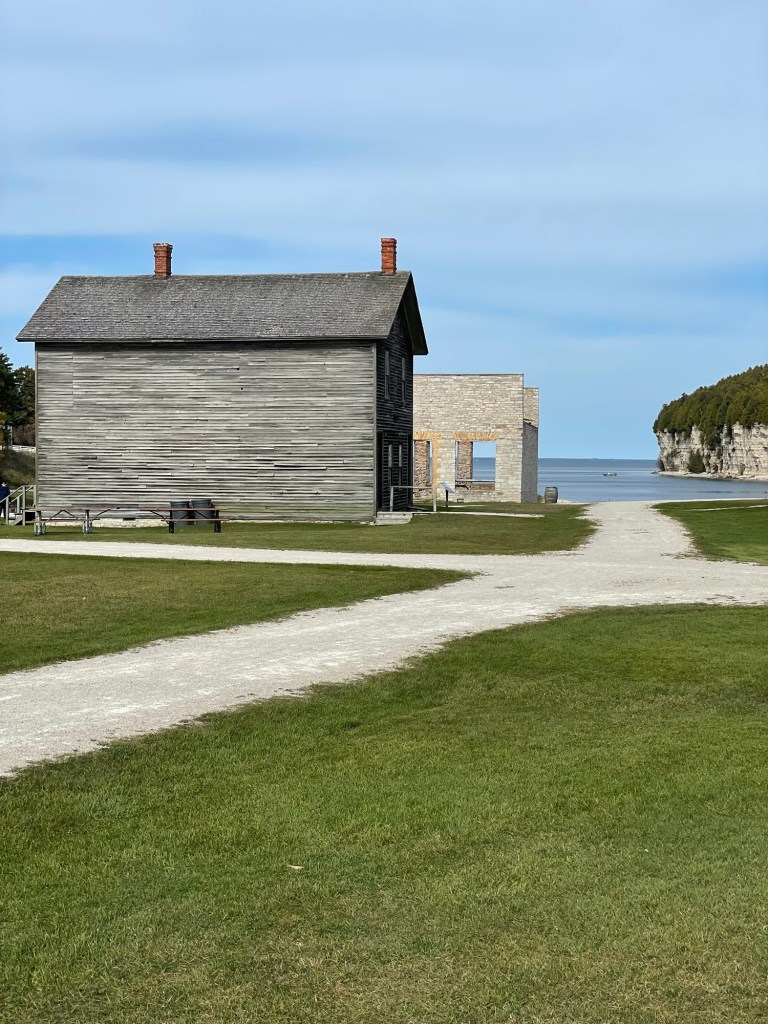
The men would line up each week in the above wooden building to get their pay packets from an iron-bar and safe-protected office door which was along the corridor that stretched from one of the building to the other. The Manager had his office next to the Pay master’s, and the men would pass it on their way out of the building.
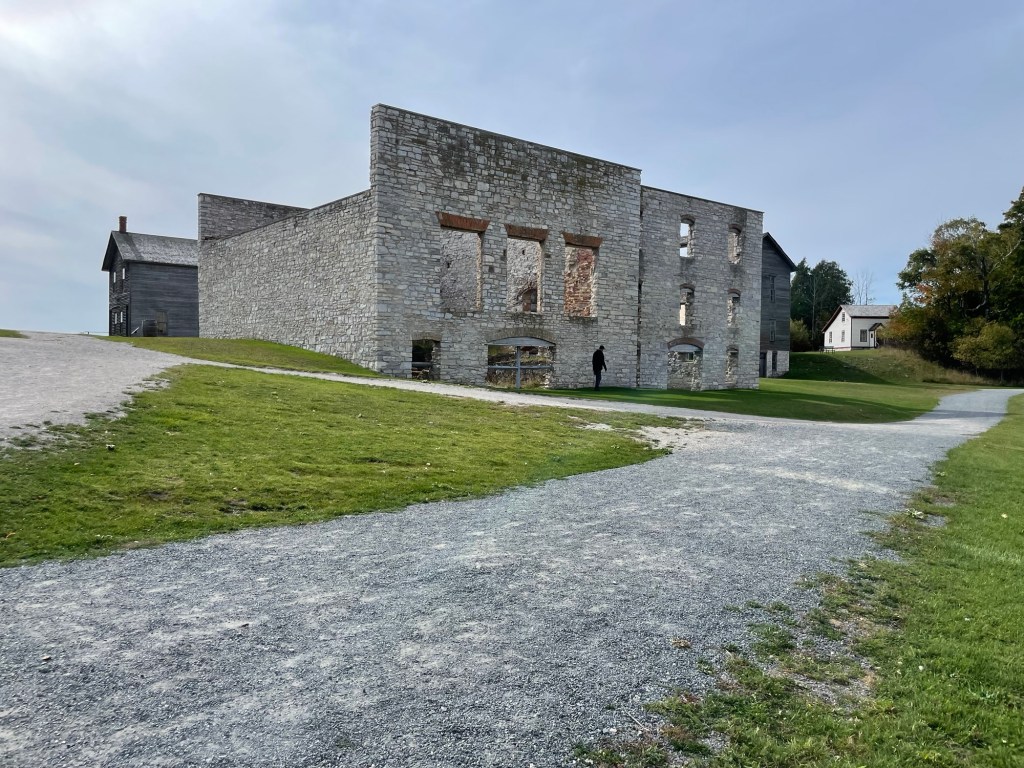
Fayette was a company town, which meant that the company owed all the facilities, lodgings, and services available. Fayette was known for having fair prices and good services, which was not often the case, and was therefore a popular place to work — despite the harsh climate and hard, dirty work.
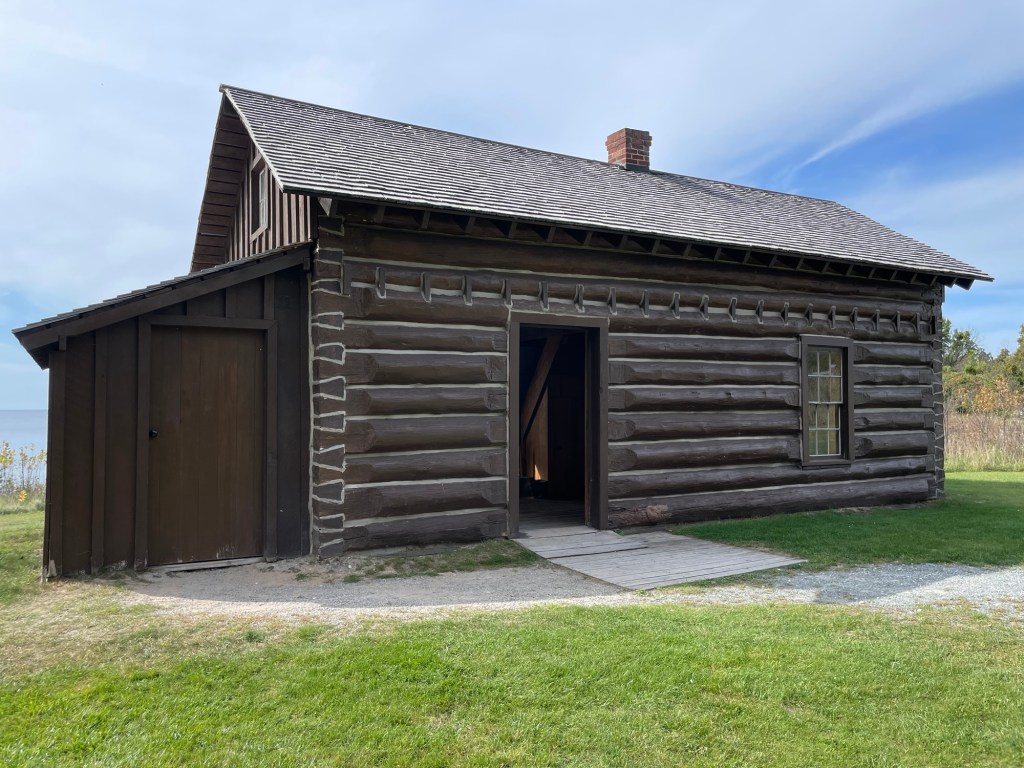
Entire families, with often a boarder or two, would live in a small cottage like the one above. Packed tightly one after the other, the conditions in one report were referred to as being dirty, loud, brutish, congested, blanketed in foundry smoke day and night, and disease-promoting with hordes of barefoot, filthy children intermixed with discarded bones, garbage, and animal feces.
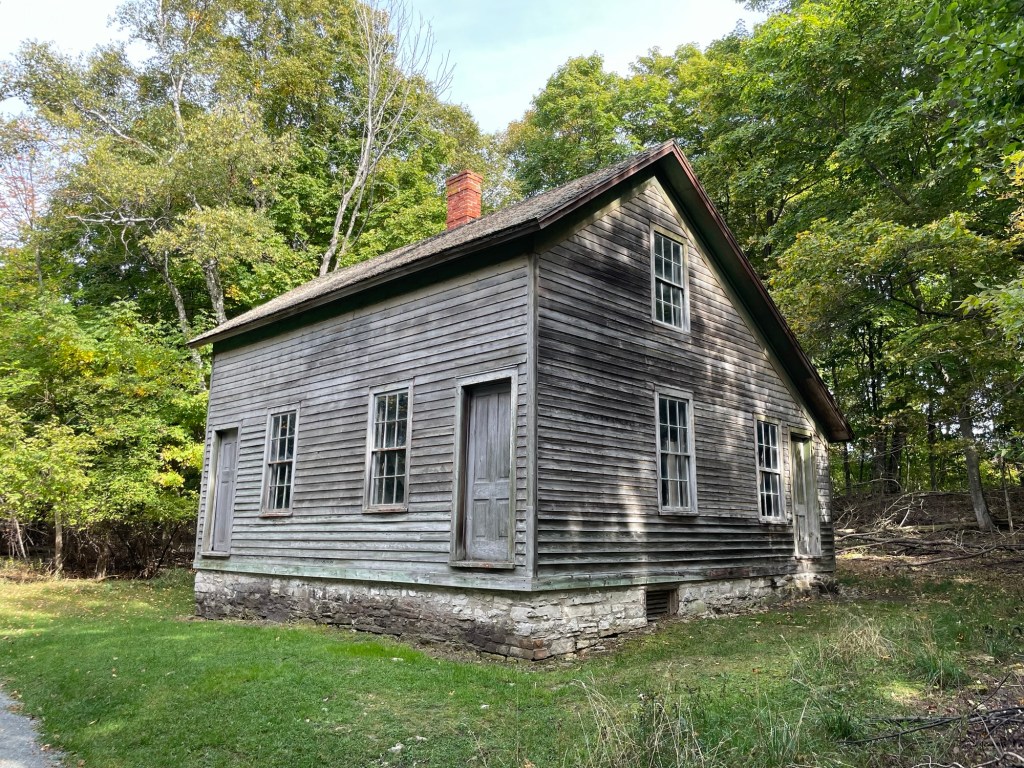
The better paid employees enjoyed a more pleasant home environment, as well. Farther from the sounds and smells of the foundry, they had more personal space and cleaner living conditions. They were able to travel occasionally to Escanaba, as well, where lower prices and a larger variety of goods were available for purchases.
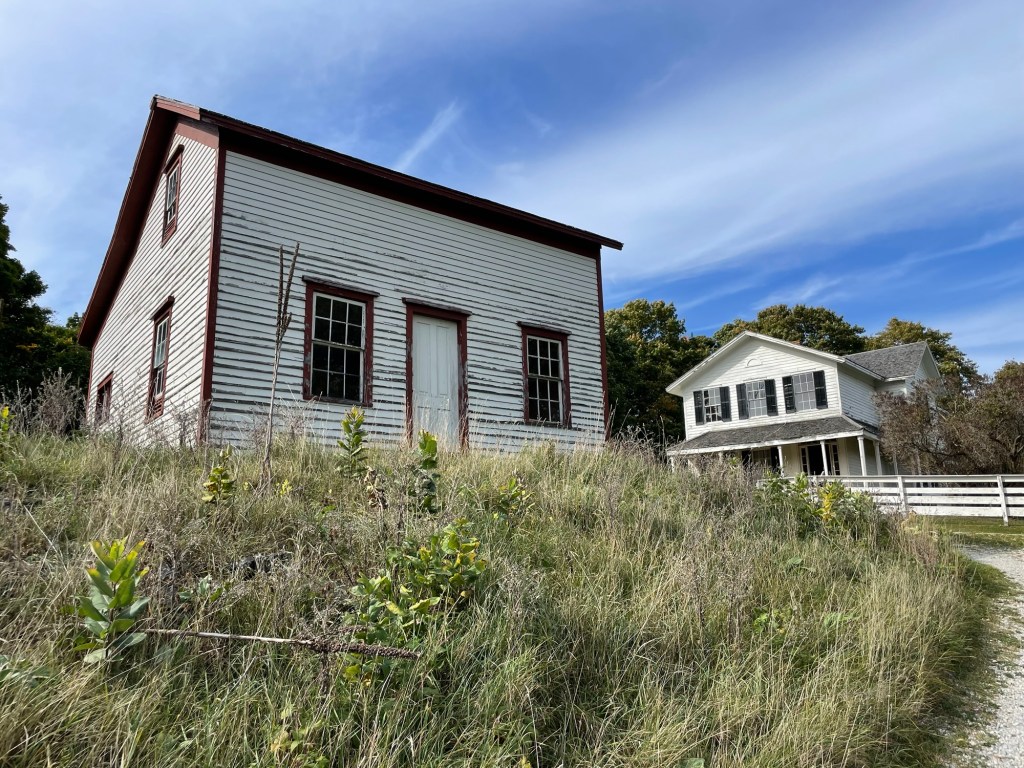
The company manager lived in the largest and grandest building, dubbed The White House. From its distant, harbor-side location, he could see the entire foundry and services operation. His family and servants enjoyed the cleanest and quietest home in town.
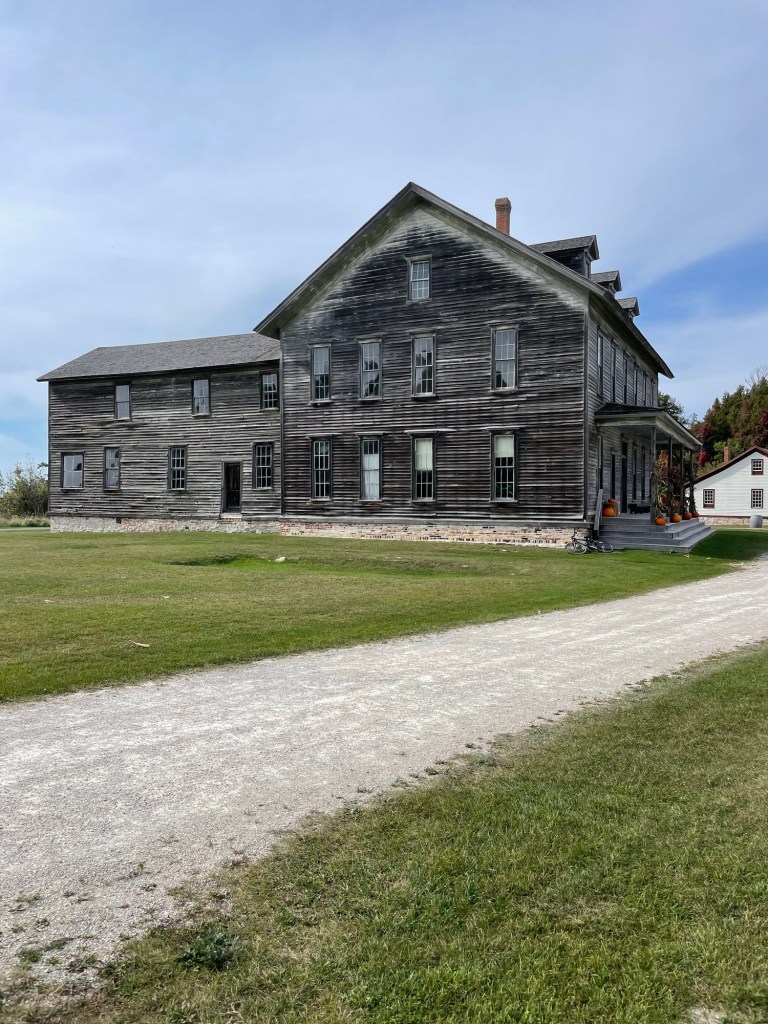
This large hotel welcomed all kinds of guests and had two signature, two-story privies with covered walkways, to accommodate its winter guests in comfort and style. Even after the company town closed, the hotel continued on its own, welcoming recreation-focused guests until the Second World War.


Leave a reply to Anonymous Cancel reply