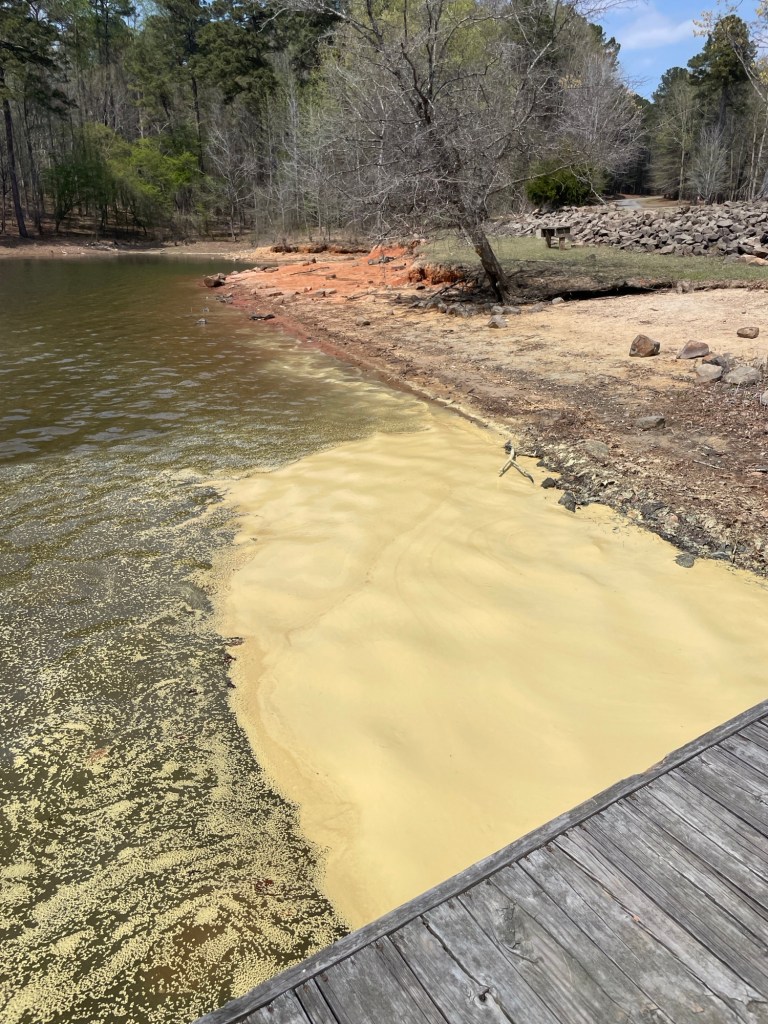
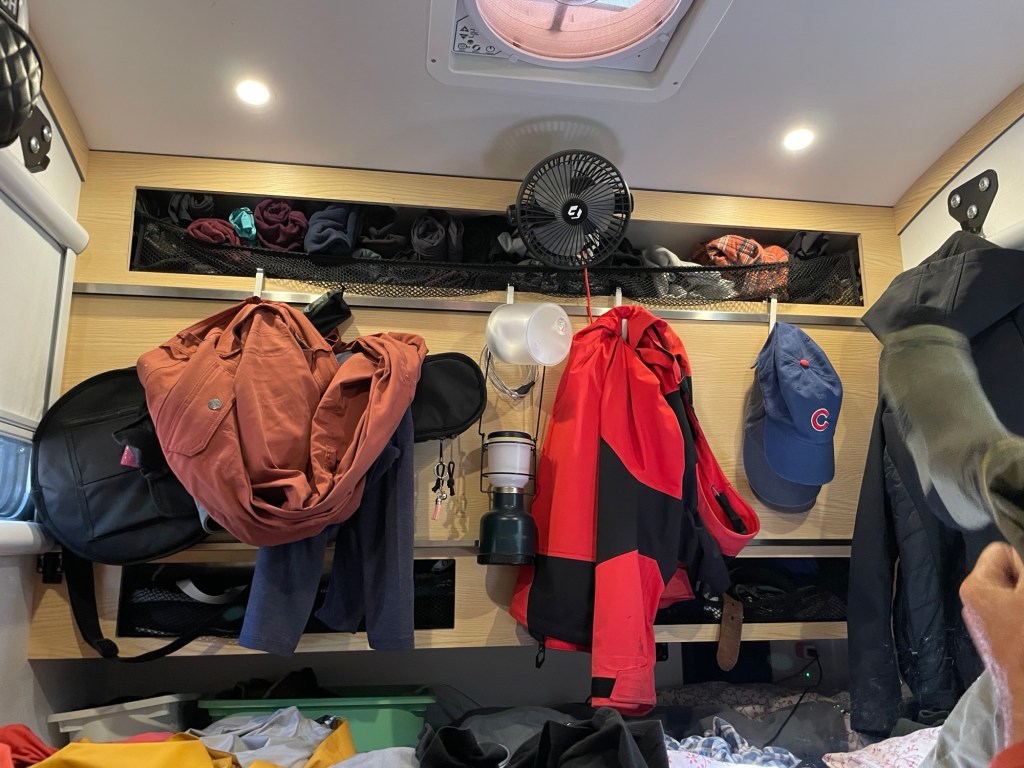
Beginning six weeks ago, we met a new nemesis, a very demon from hell sent to test our patience. We fought it valiantly, and I believe we finally have the upper hand. For this spring, at least. Remnants remain, though, in nooks and crannies of the trailer, the truck, and our lungs, eyes, and souls.
Both Fairy Stones State Park and Hungry Mother State Park were named for local folk tales.
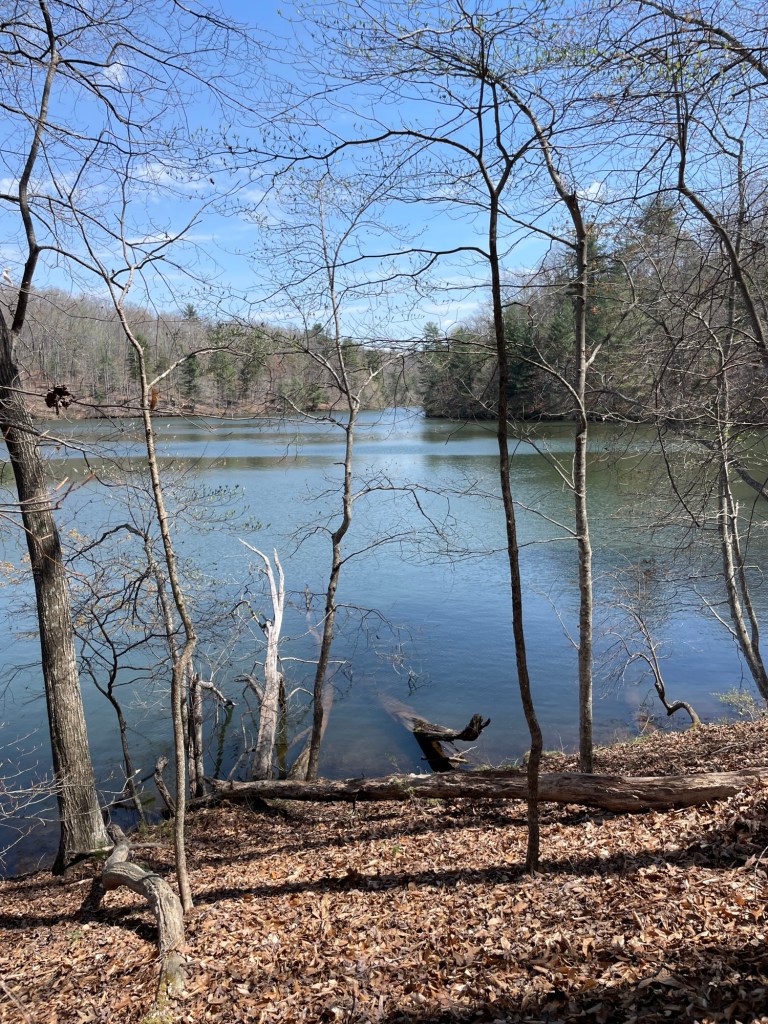
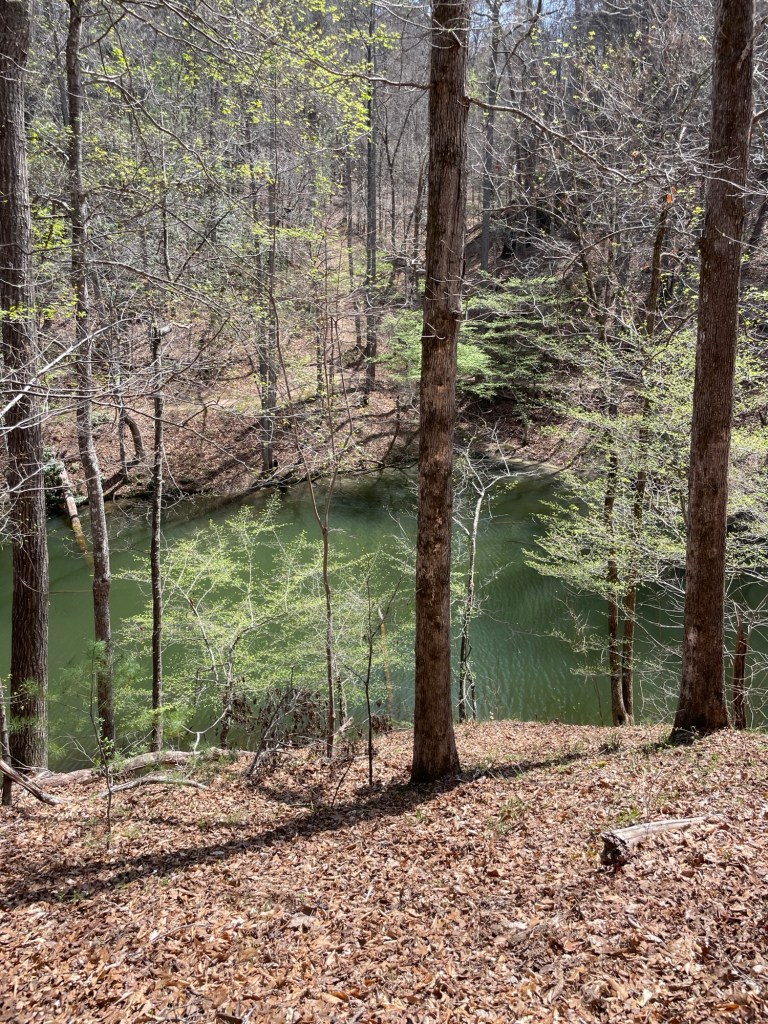
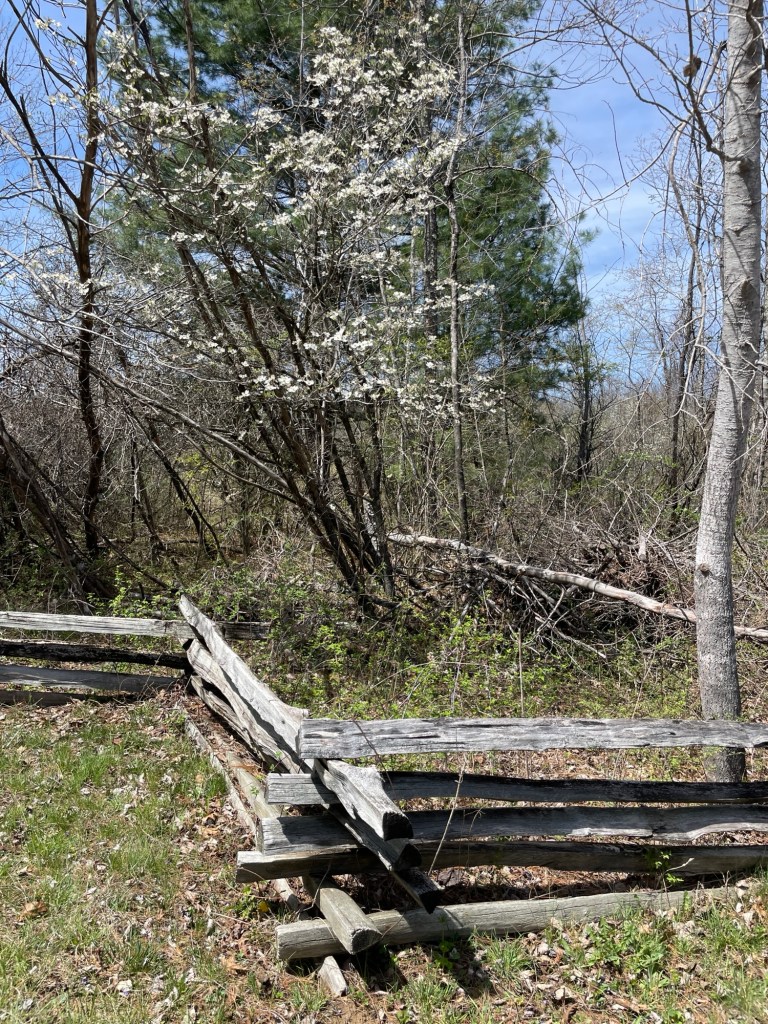
After an unusually cold and snowy winter, Virginia is awake and warming with most days in the 70s and even the 80s. Mushrooms are growing by the day, wildflowers are popping up everywhere, and all but the slowest trees — looking at you, oaks — are either in bloom or in leaf.
Jeff and I spent an inordinate amount of time watching butterflies and bumblebees at Fairy Stones, especially the ones sipping nectar from a blooming Azalea bush near the park office.
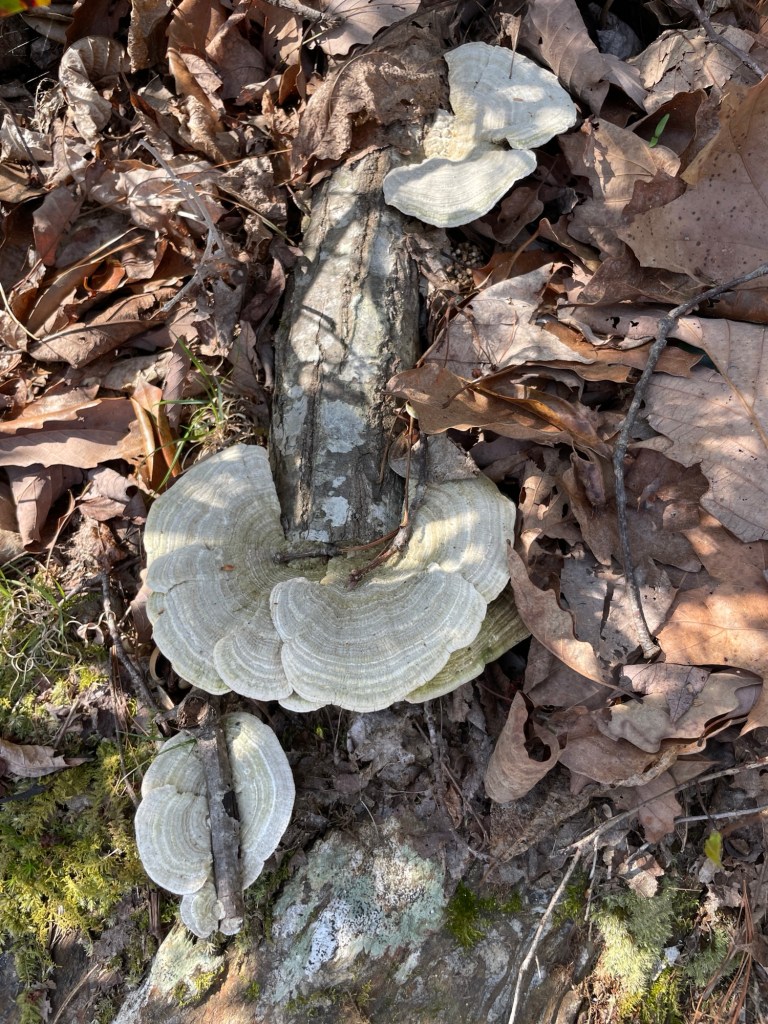
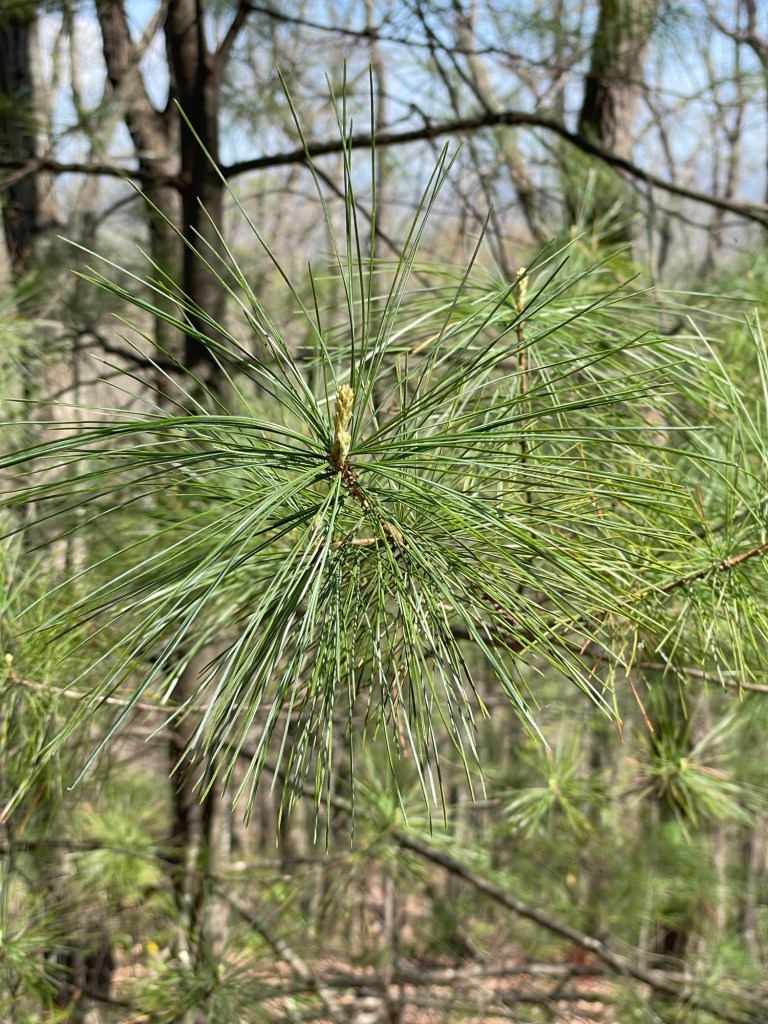
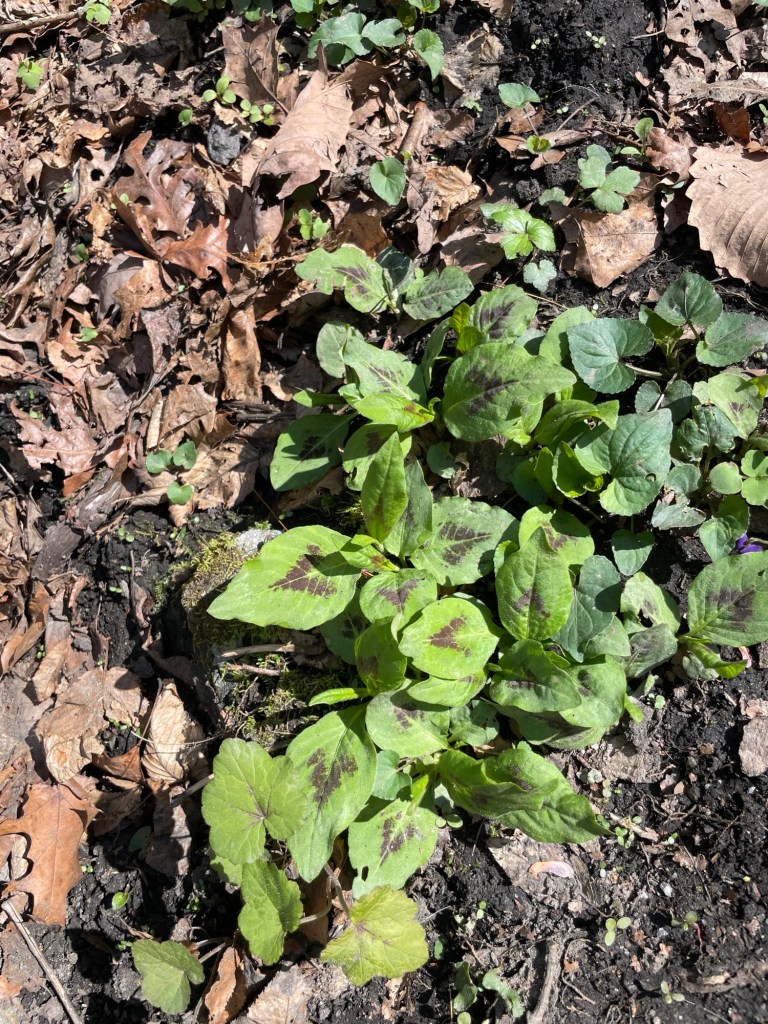
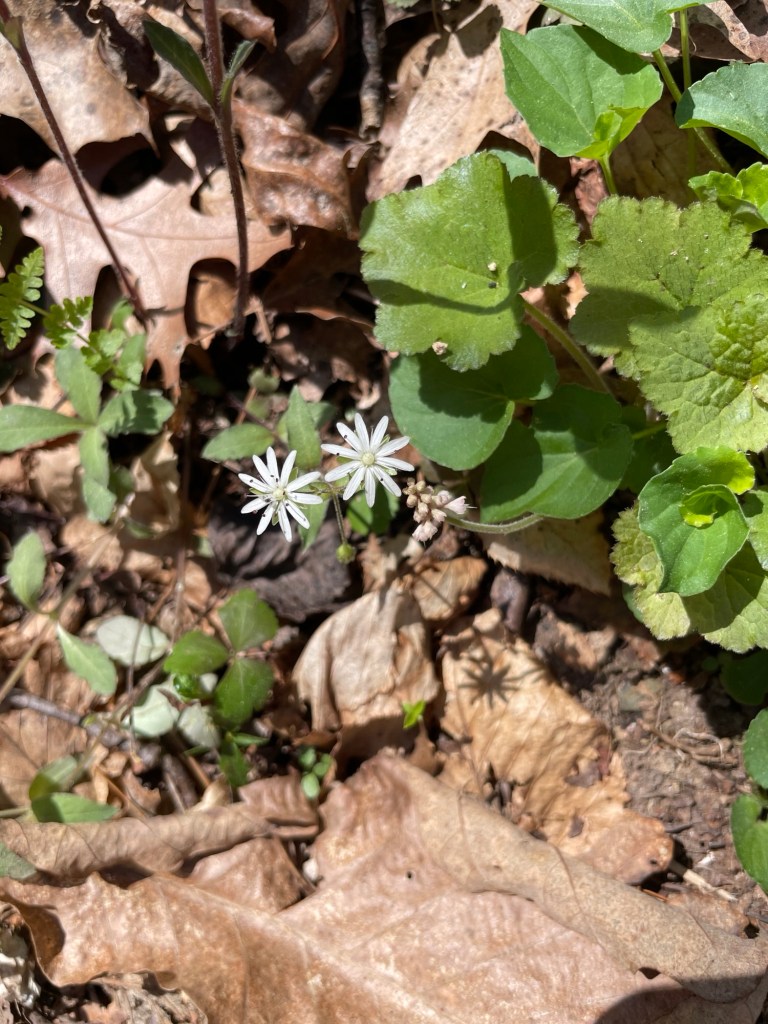
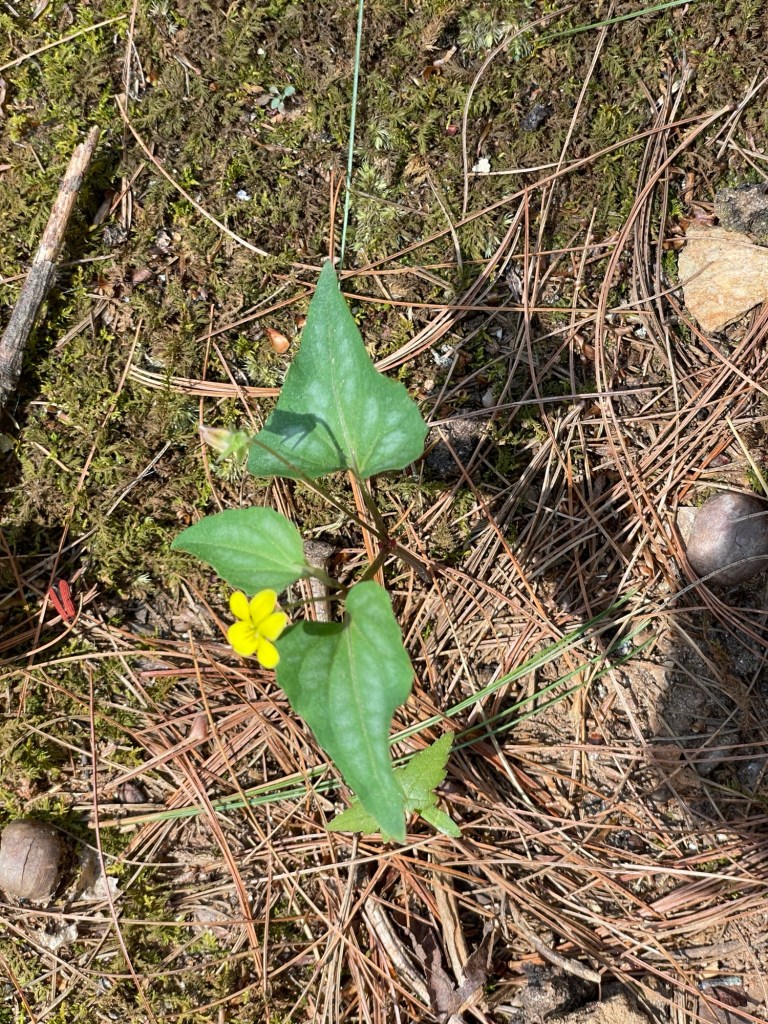
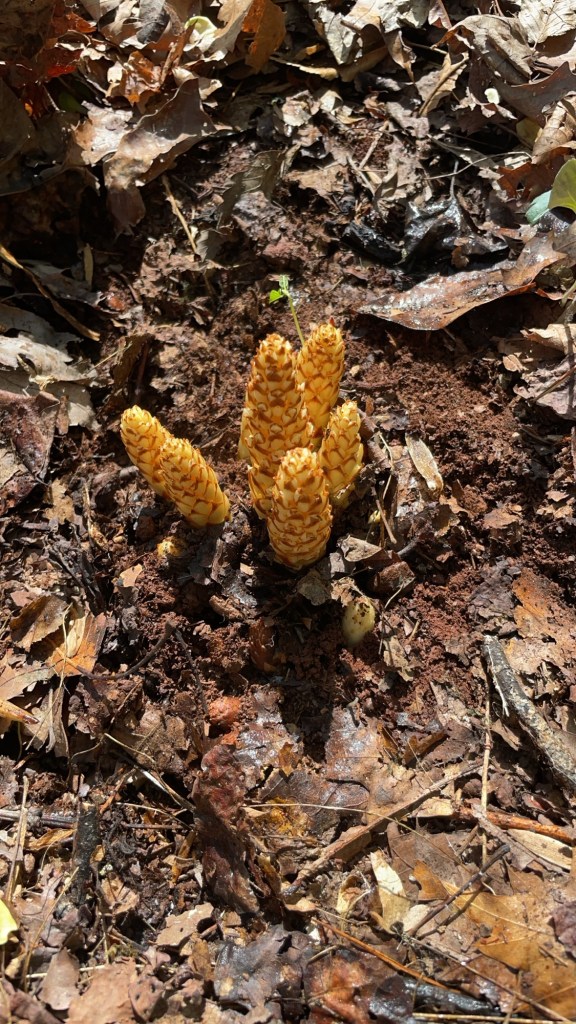
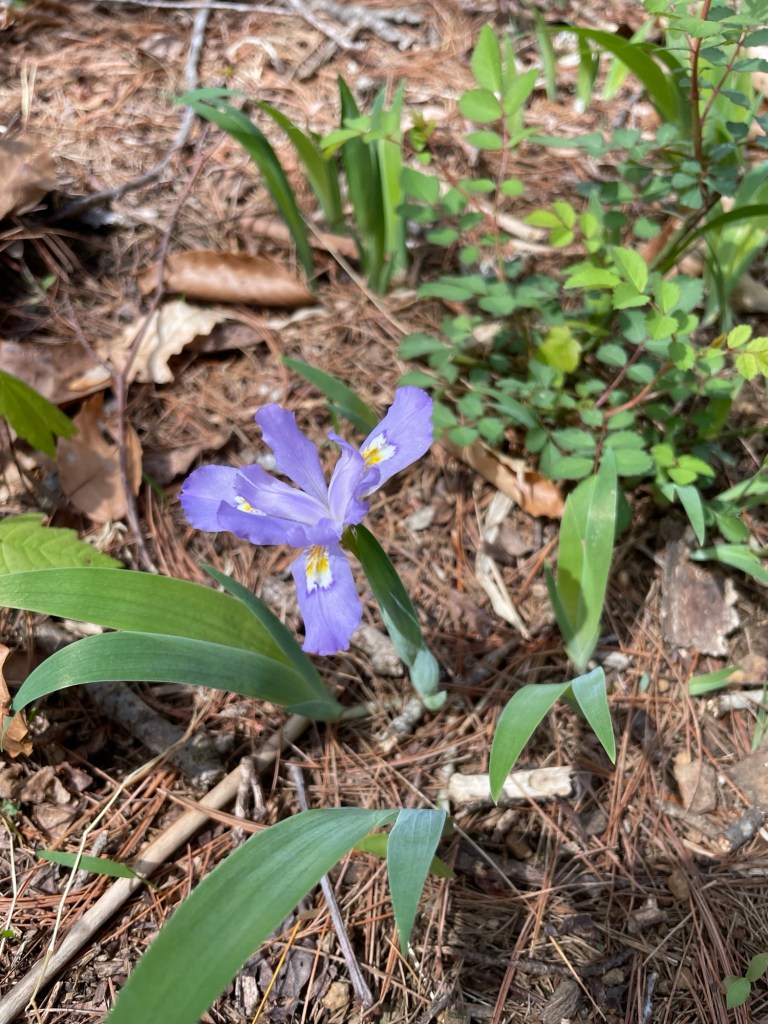


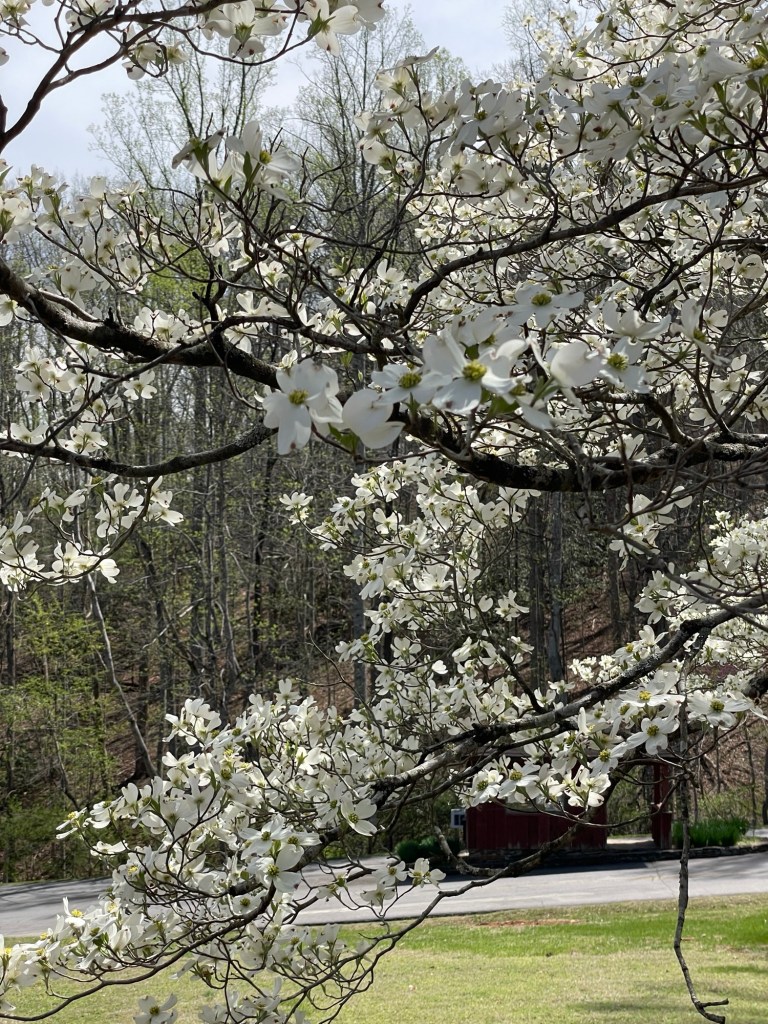
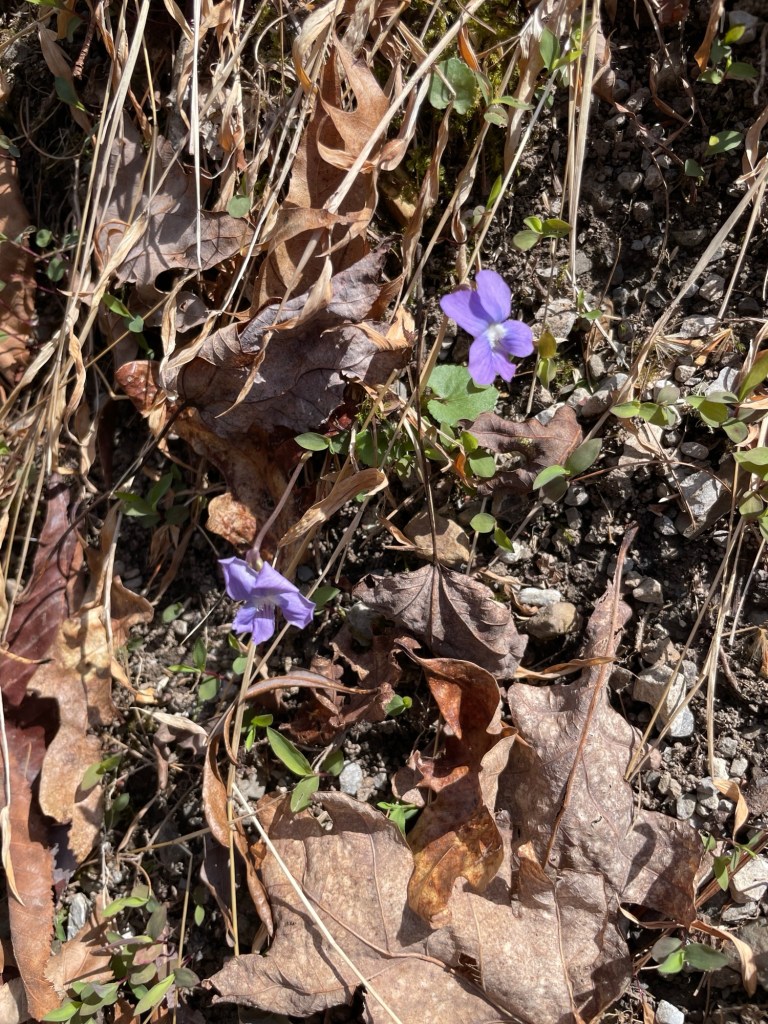
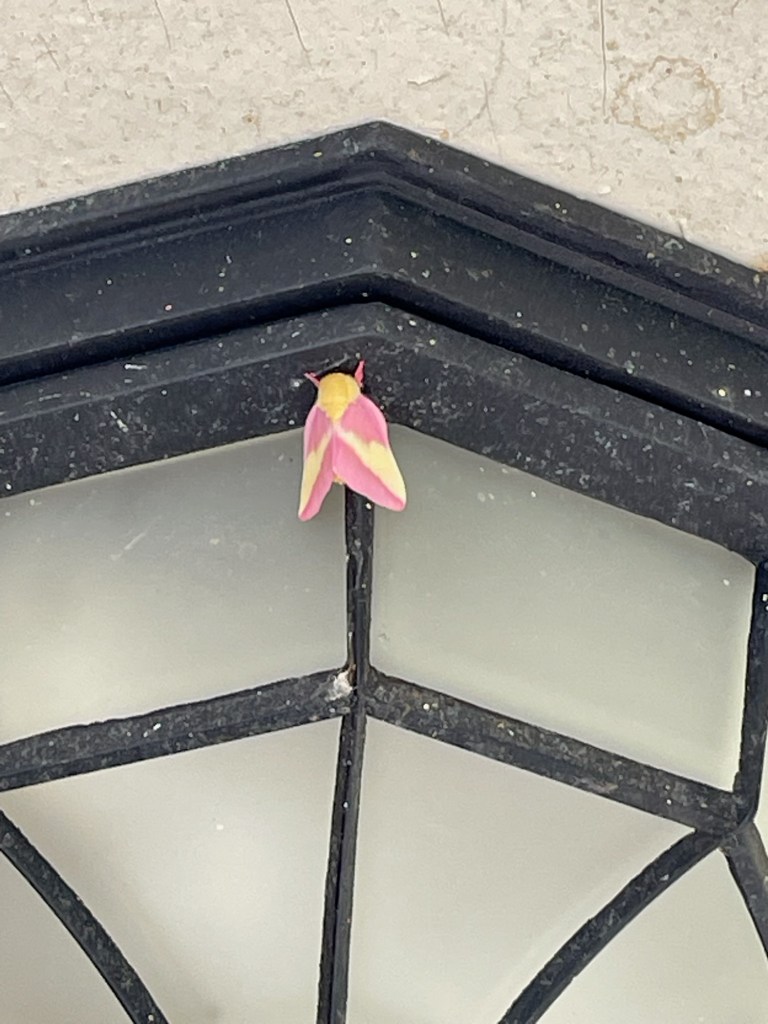
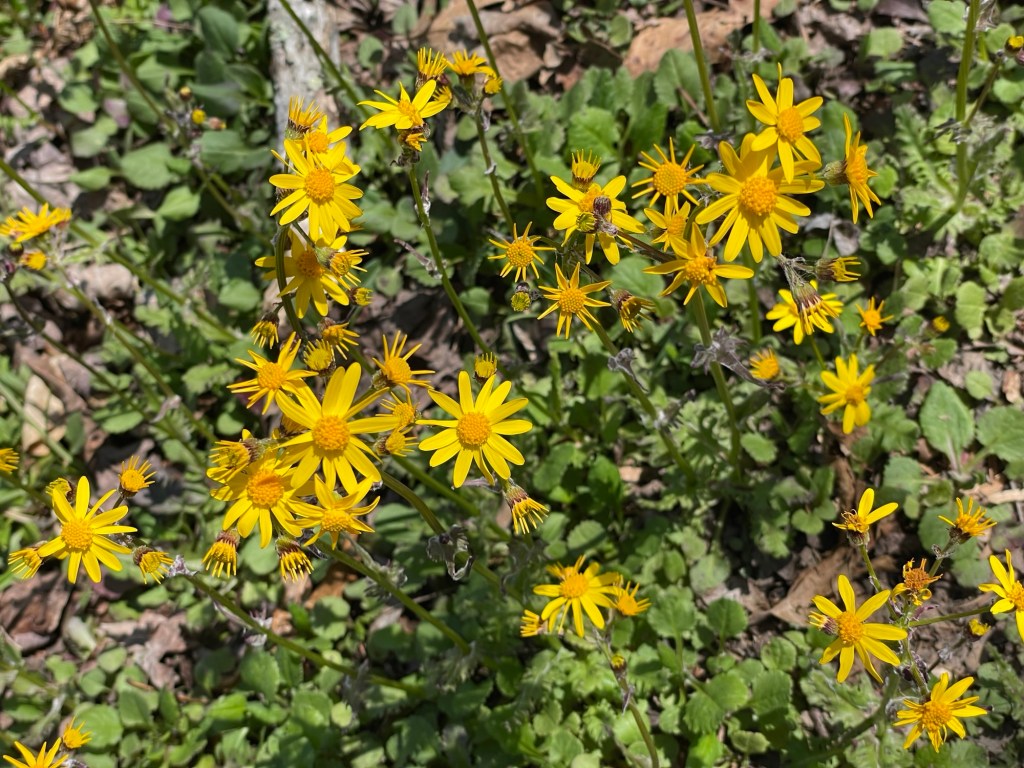
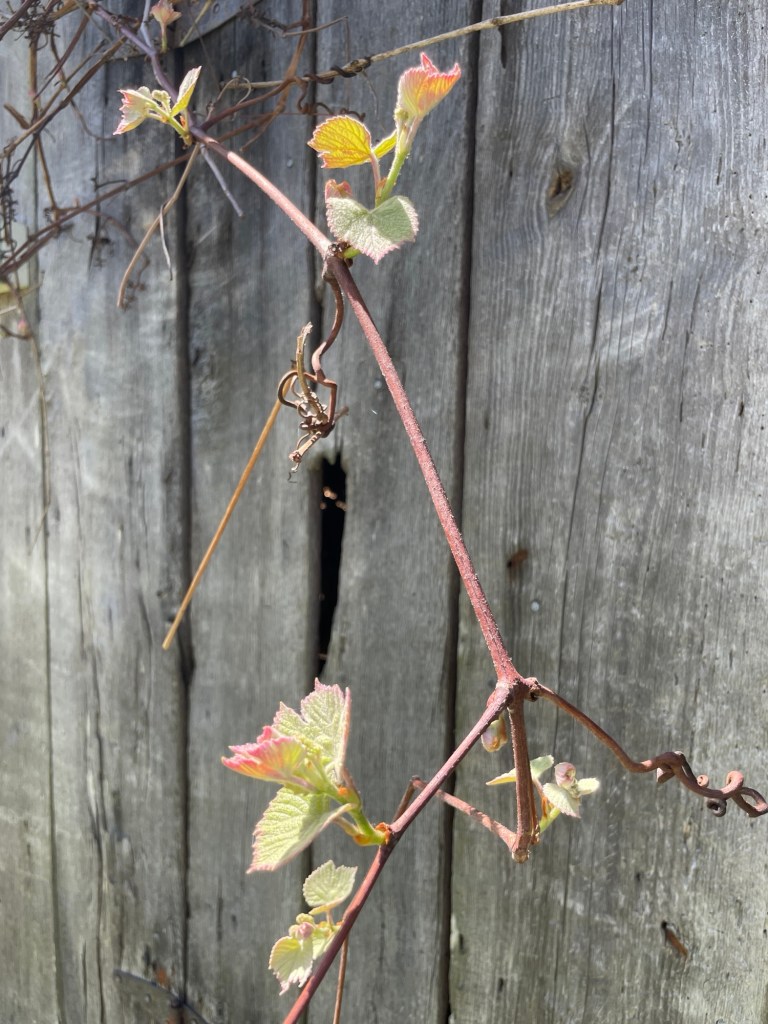
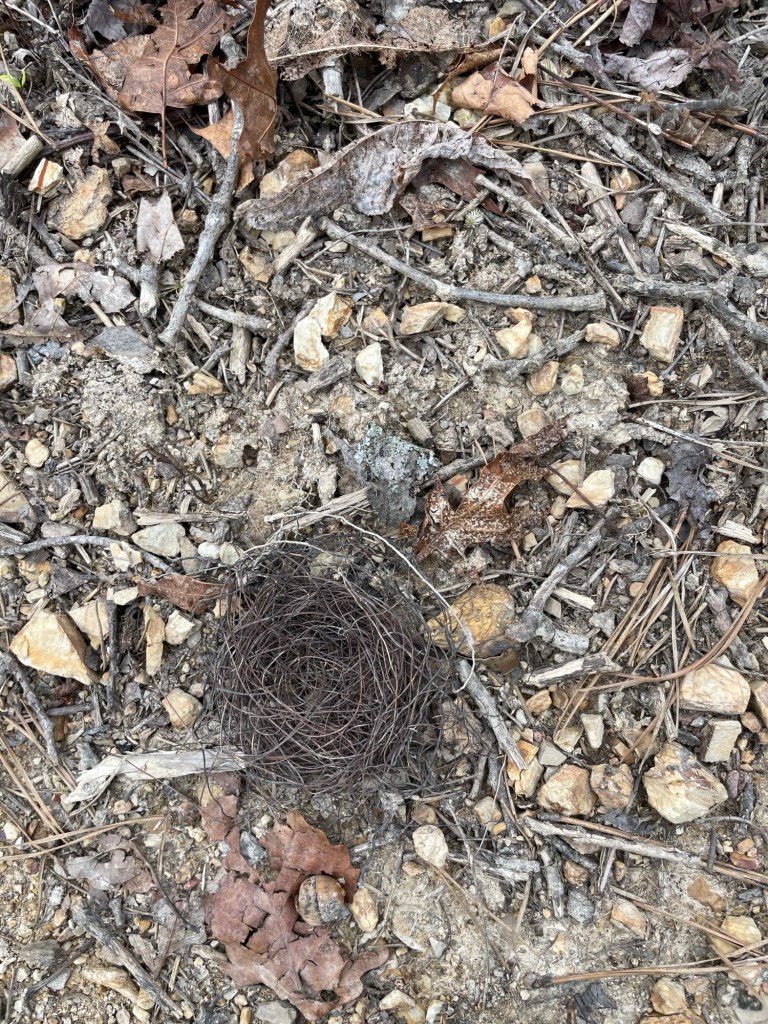

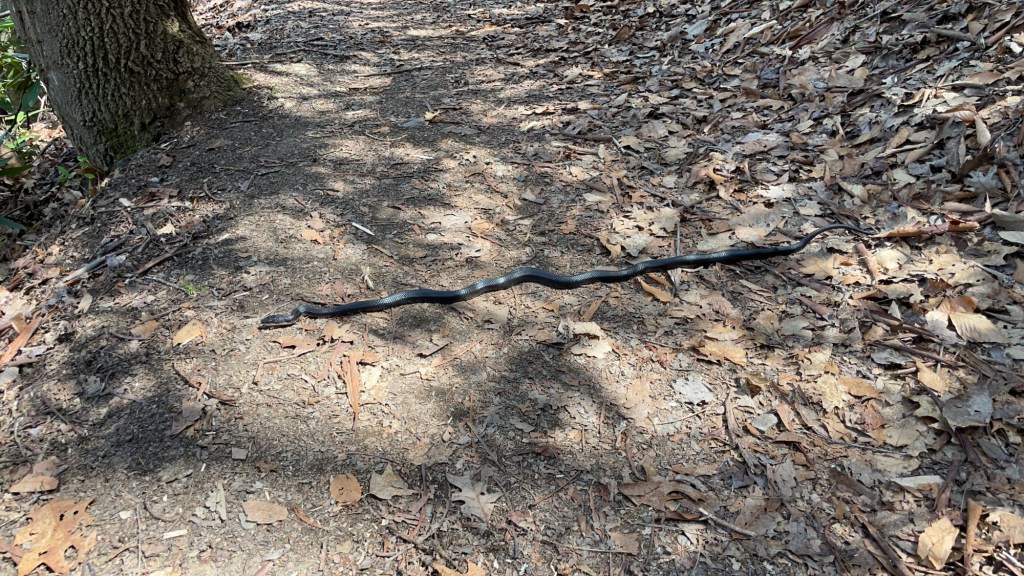
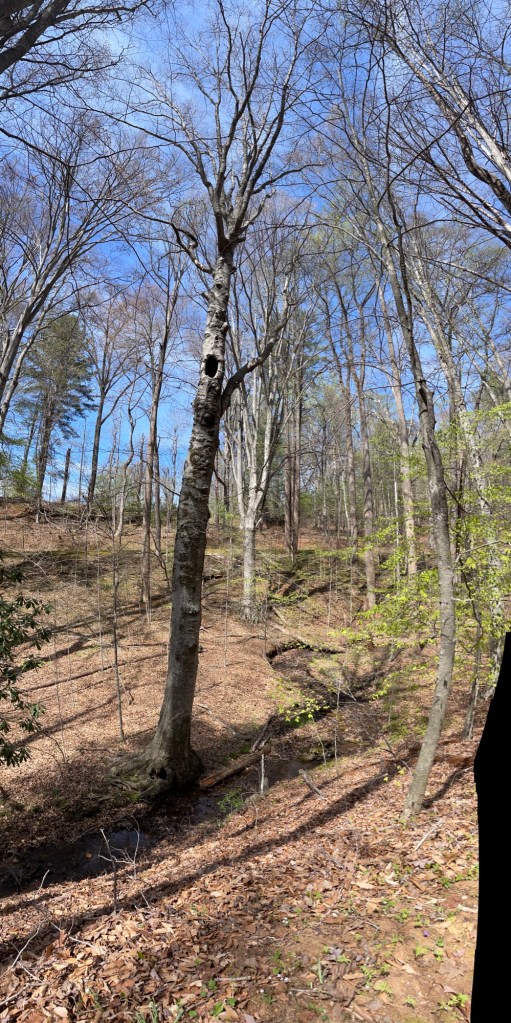
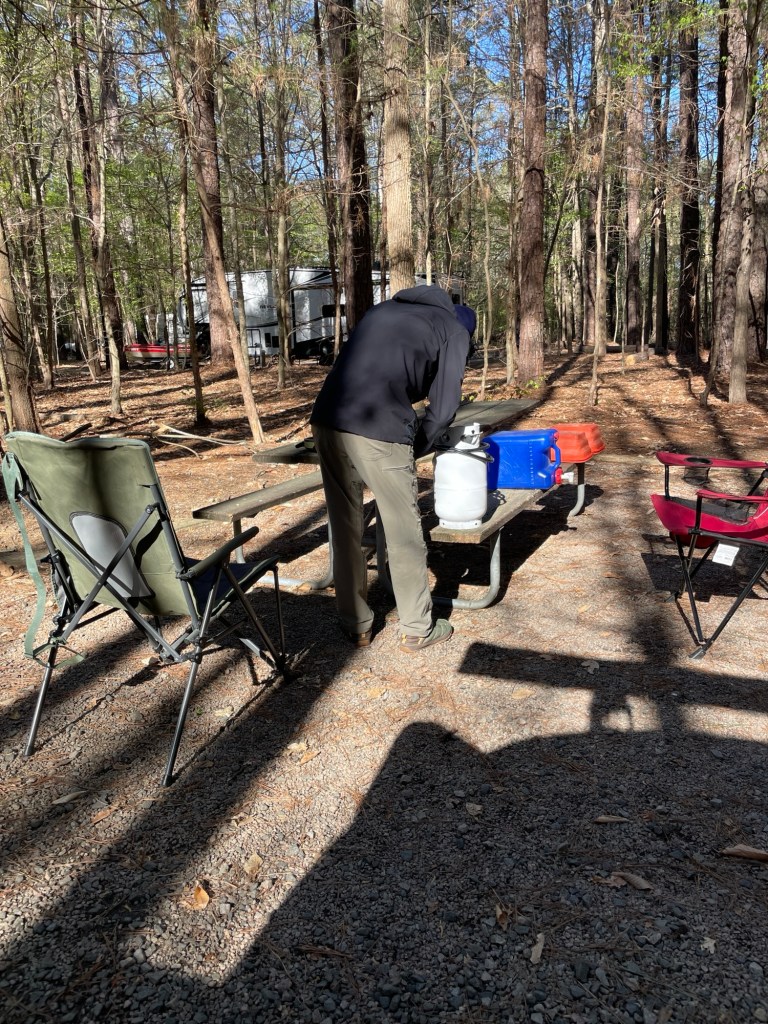
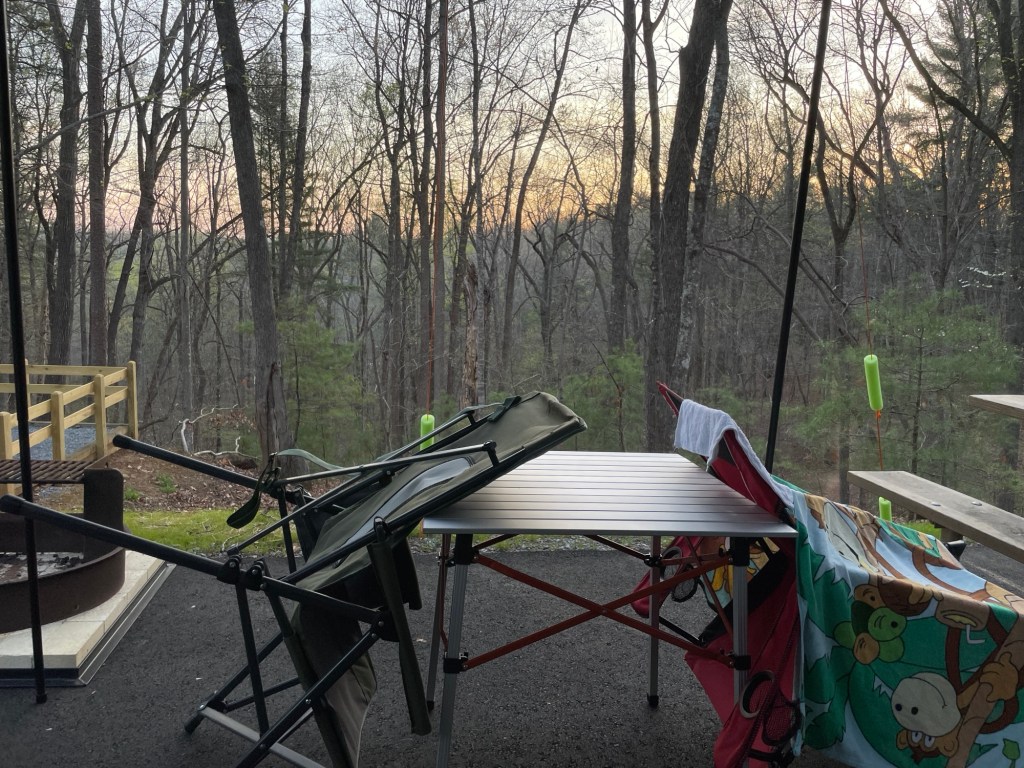
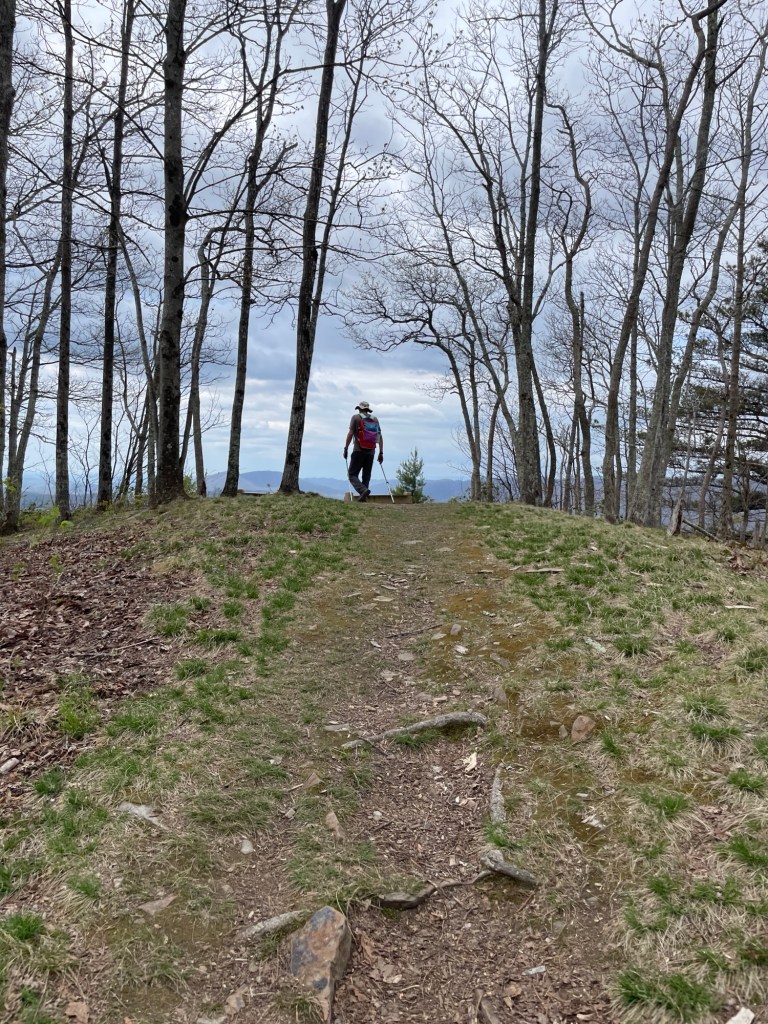
Our day-to-day routines are well established by now, with only slight modifications based on temperature. If we aren’t out exploring local towns and sites, we’re hiking the local trails. We hiked all the trails at Fairy Stones but only half of Hungry Mother’s, as they were much longer and involved much more climbing.
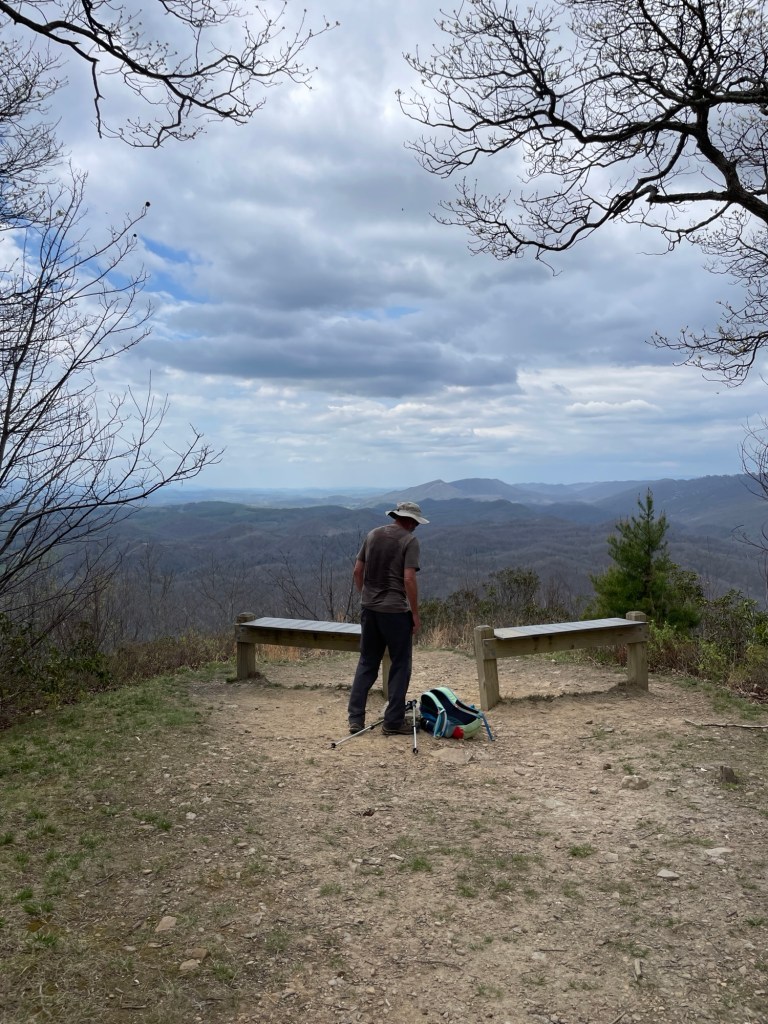
Jeff’s ankle got through nearly seven miles without so much as a snack break last week, while the similar distanced trip up to Molly’s Knob (Hungry Mother’s highest peak) two days later necessitated several water breaks and two snack stops. You just never know. For the most part, we feel challenged without being unduly miserable on an All-Trails Medium or a state park Hard trail these days. Distance is always going to be a factor for Jeff’s dodgy ankle. If only we could go back to that blasted soccer game 37 years ago and have him sit the play out!
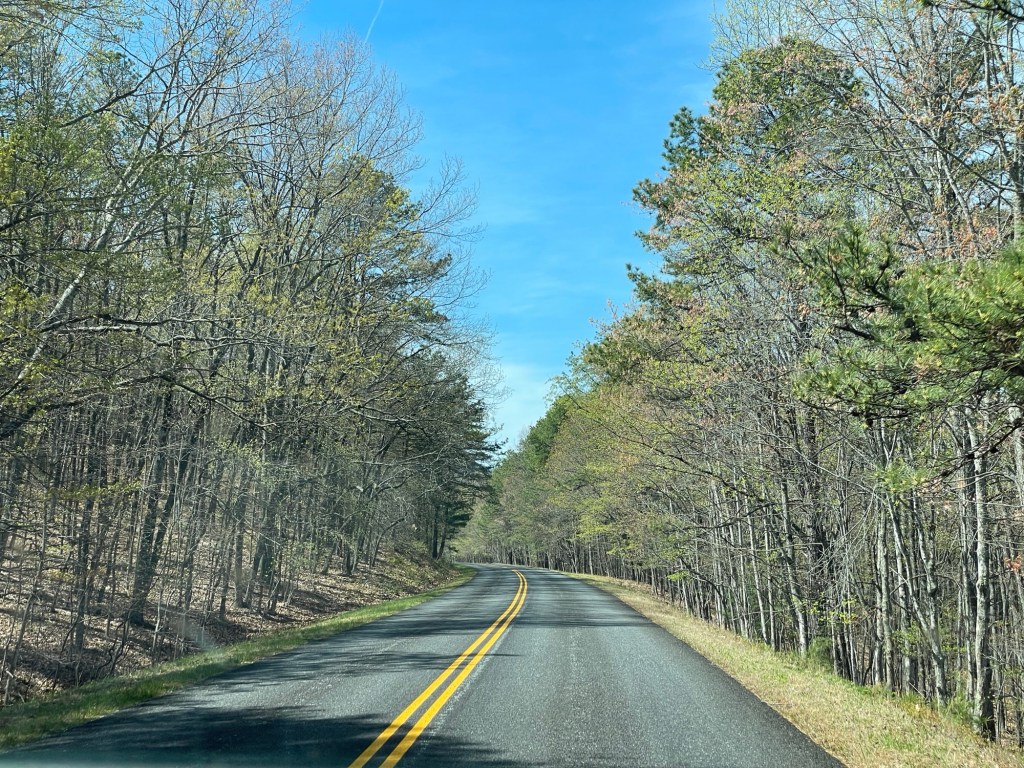
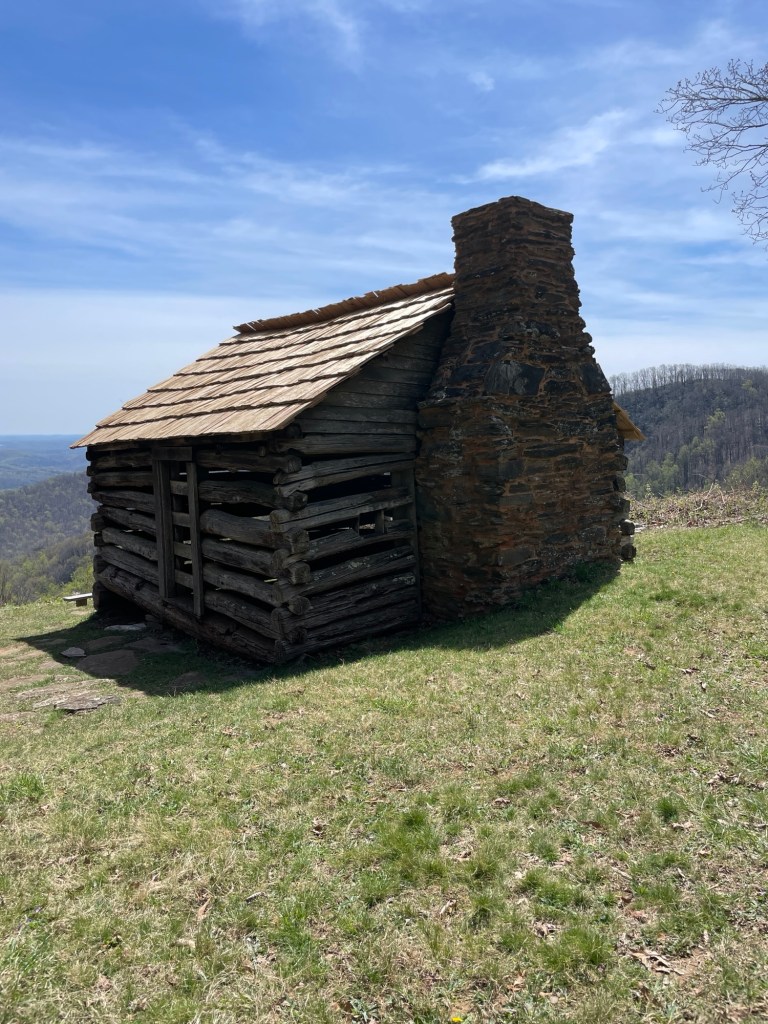
We drove a bit of the nearby Blue Ridge Parkway and stopped at a few historic spots along the way. Unfortunately we were too early in the season to visit the Folk Music Visitor Center. This was a true pity as we’re both learning instruments associated with Appalachian folk music. Some of the nation’s best banjo and mandolin players have lived and played in these very hill towns!
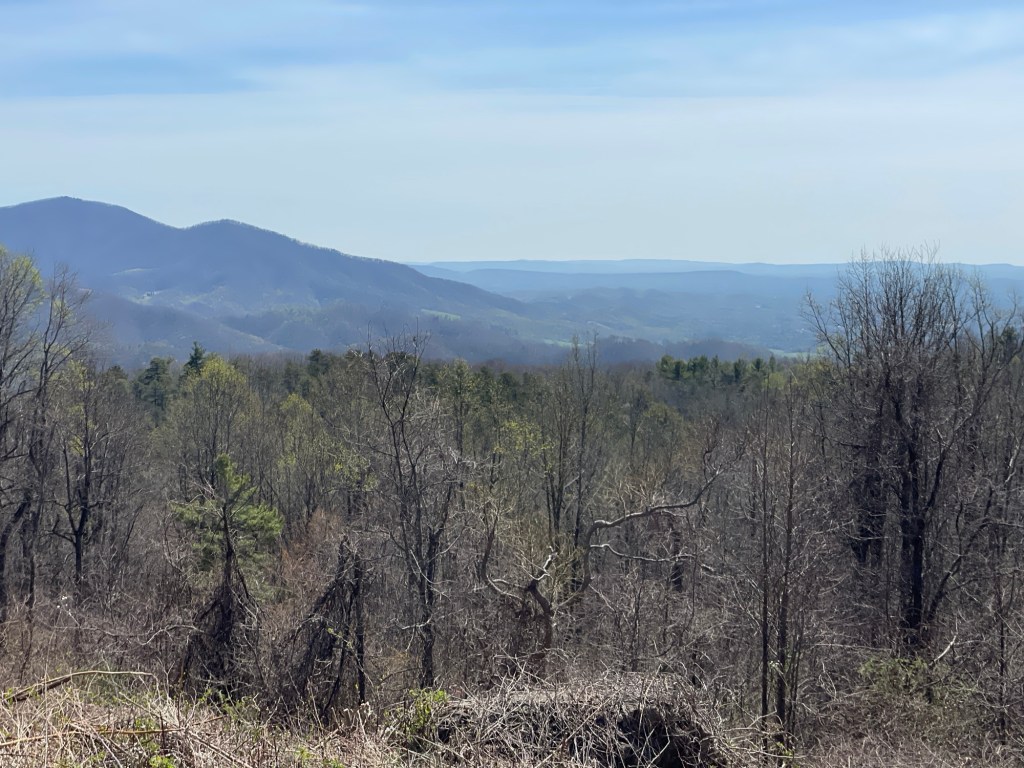
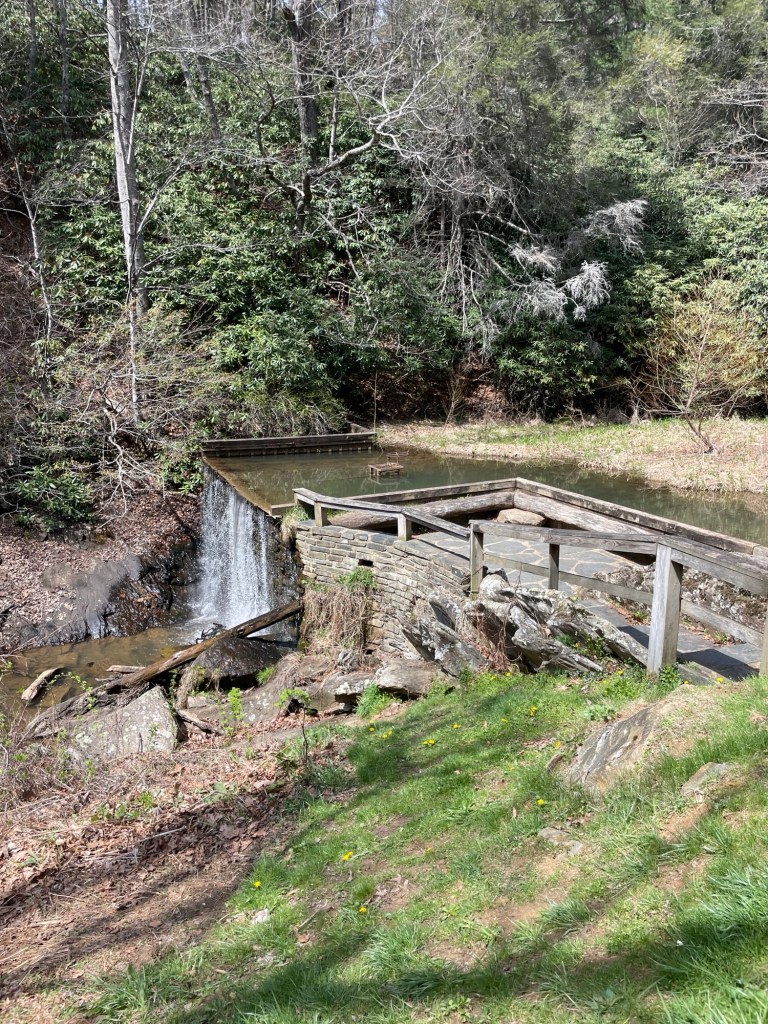
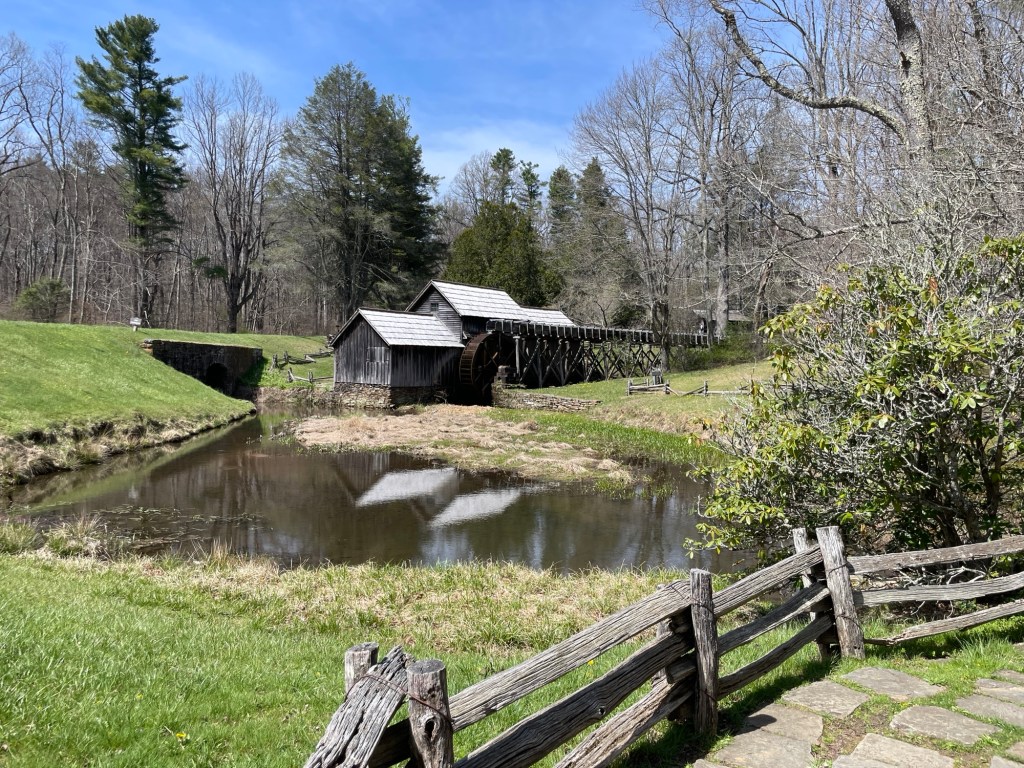
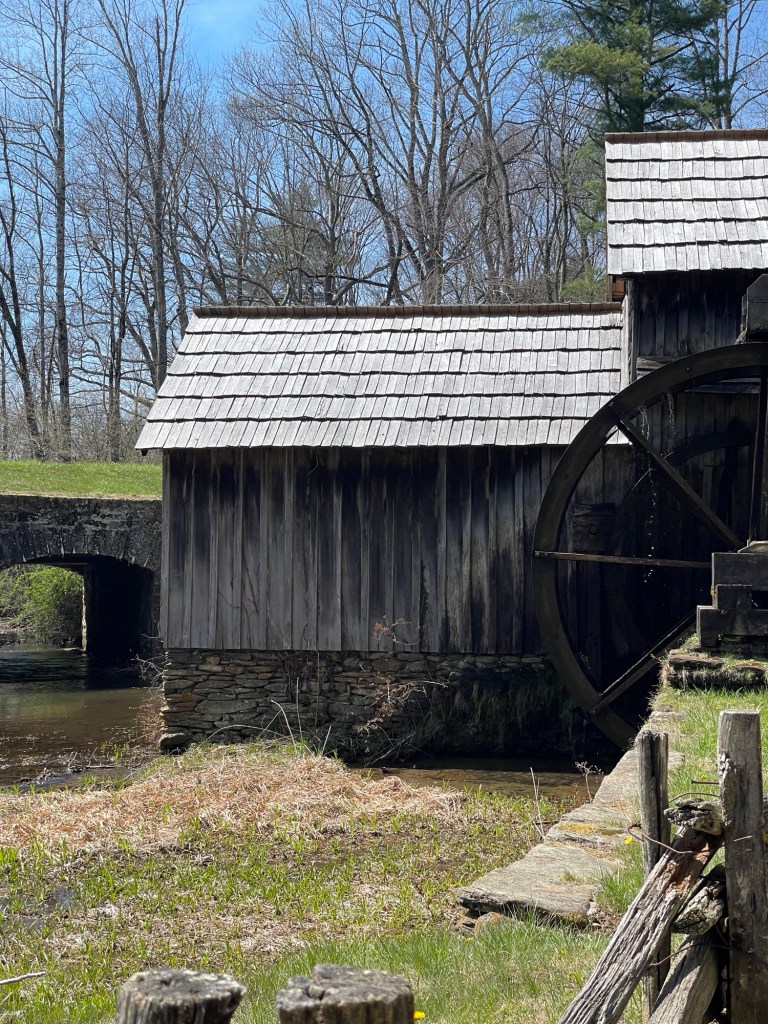
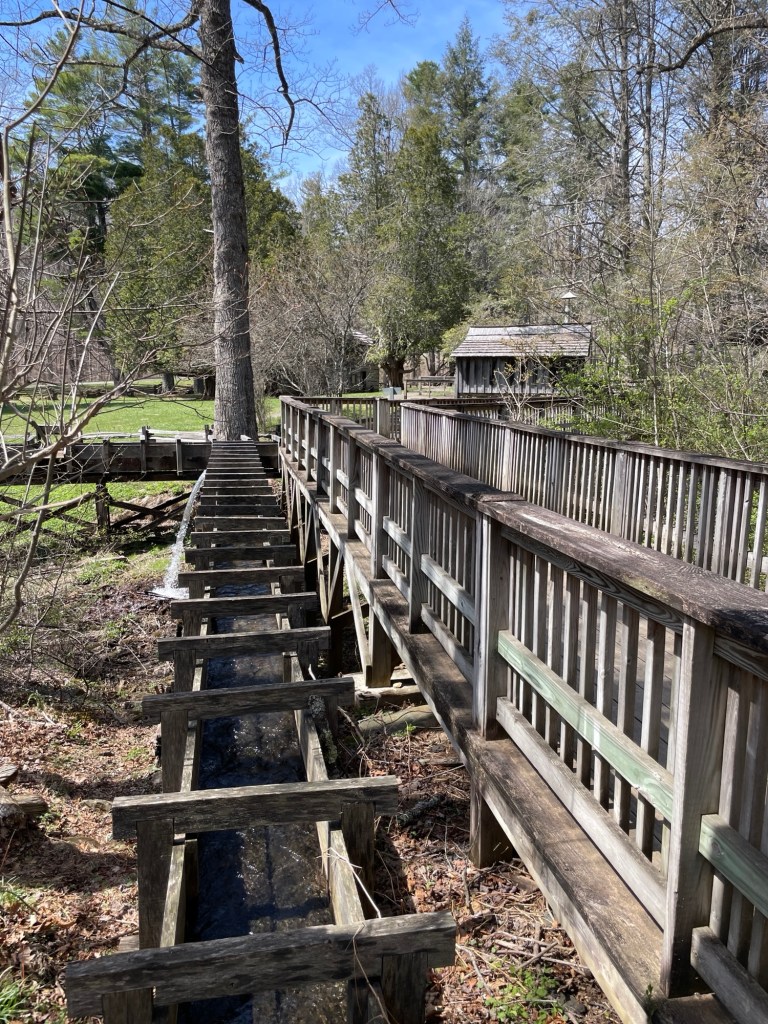
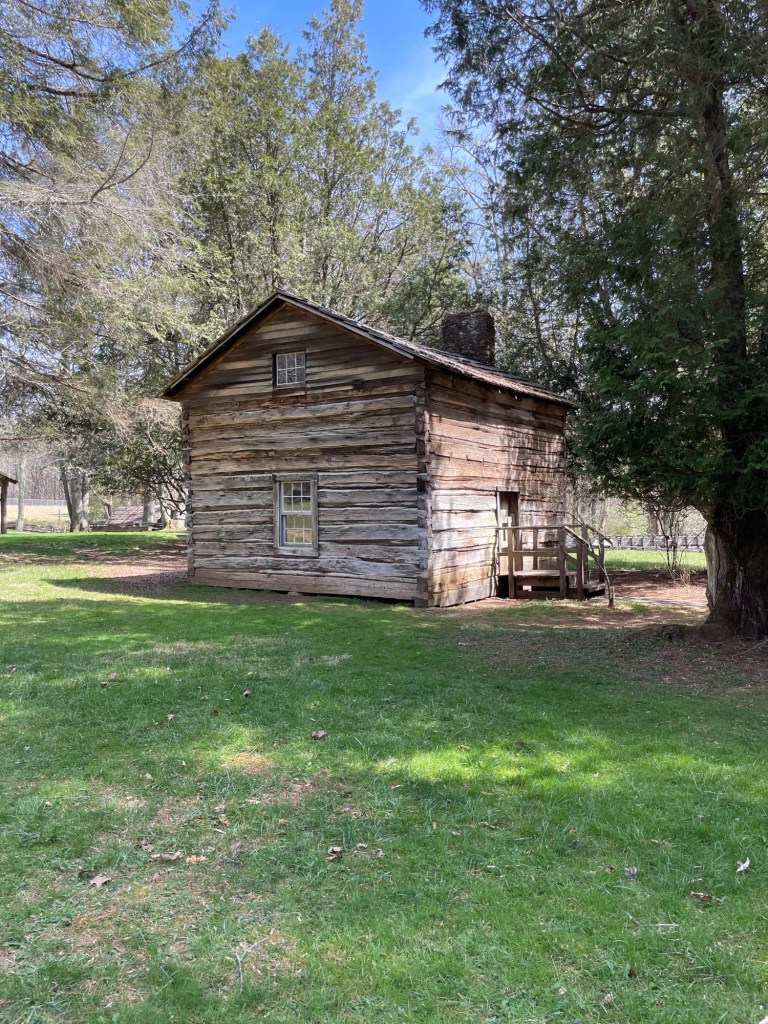
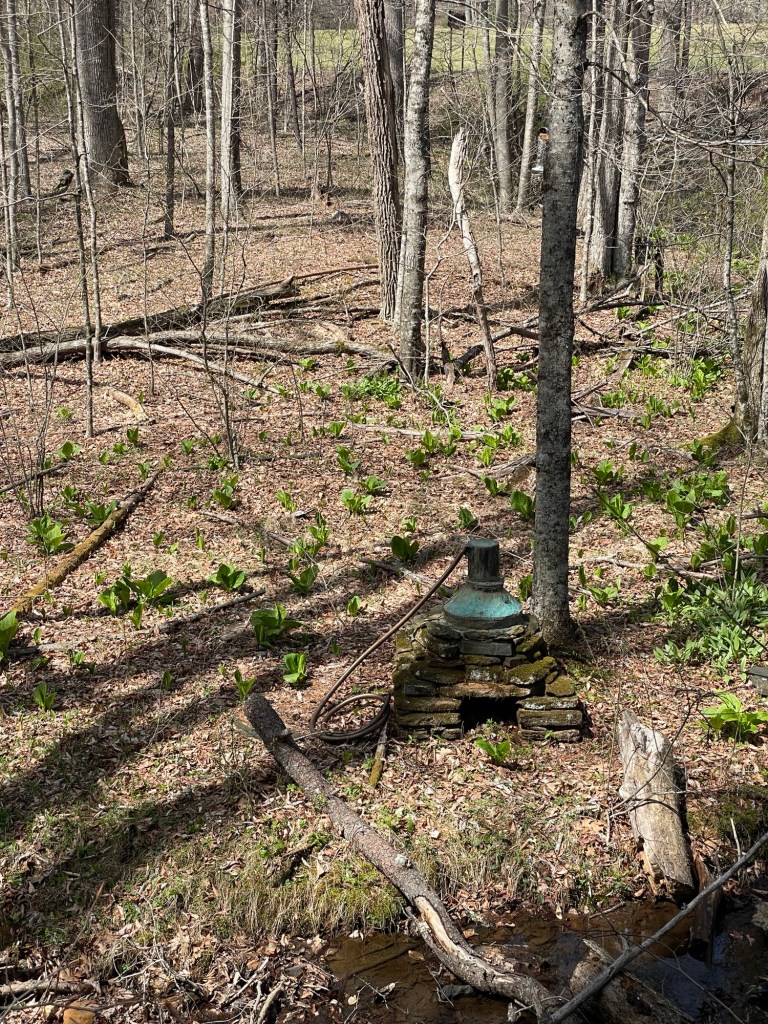
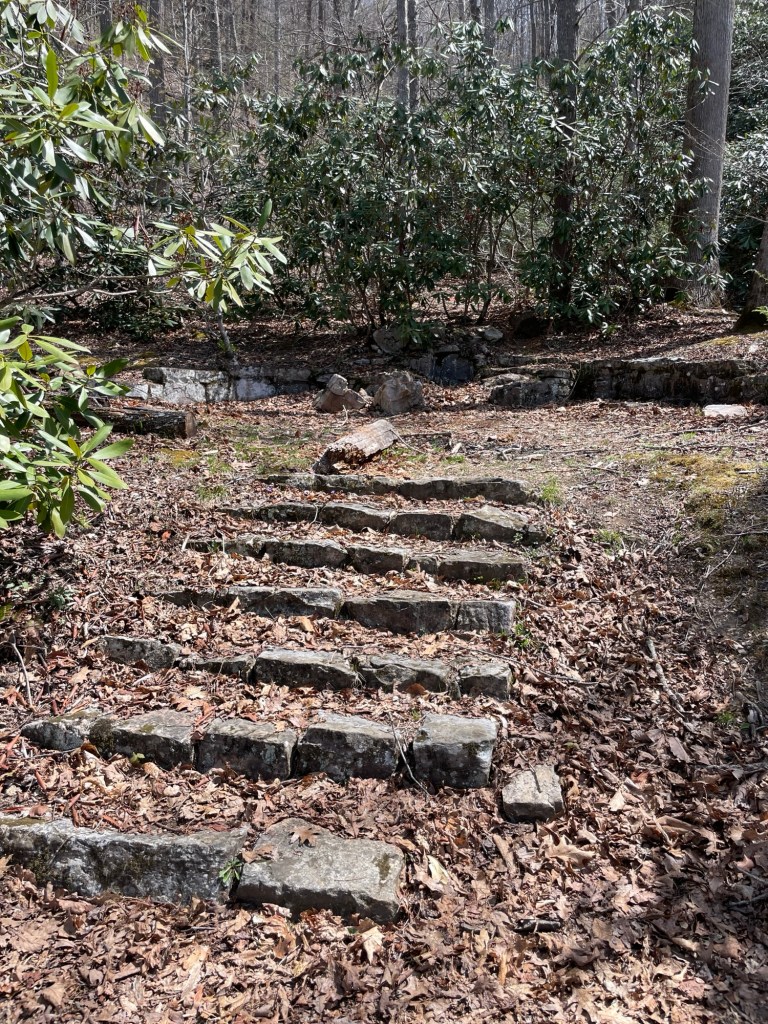
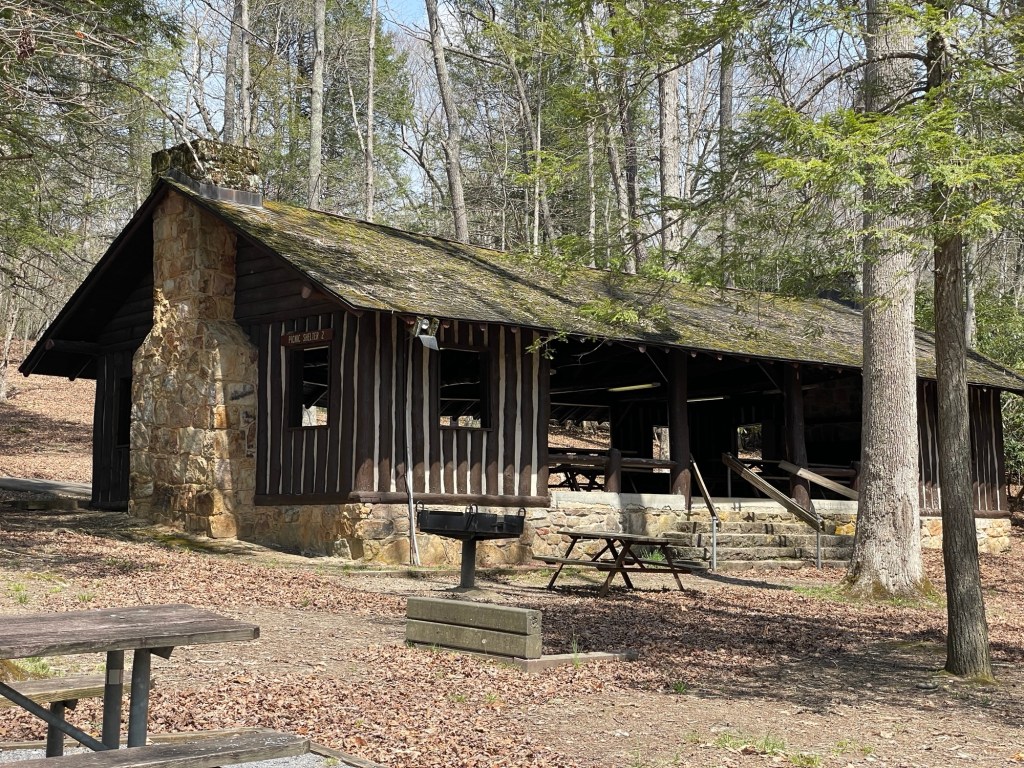
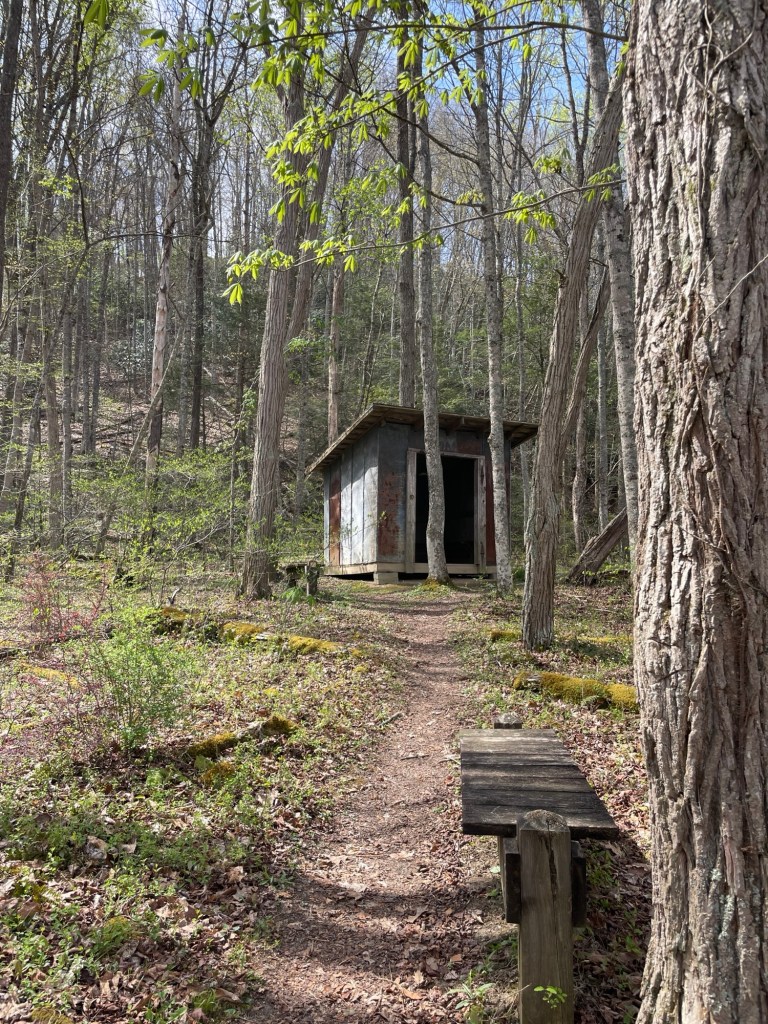
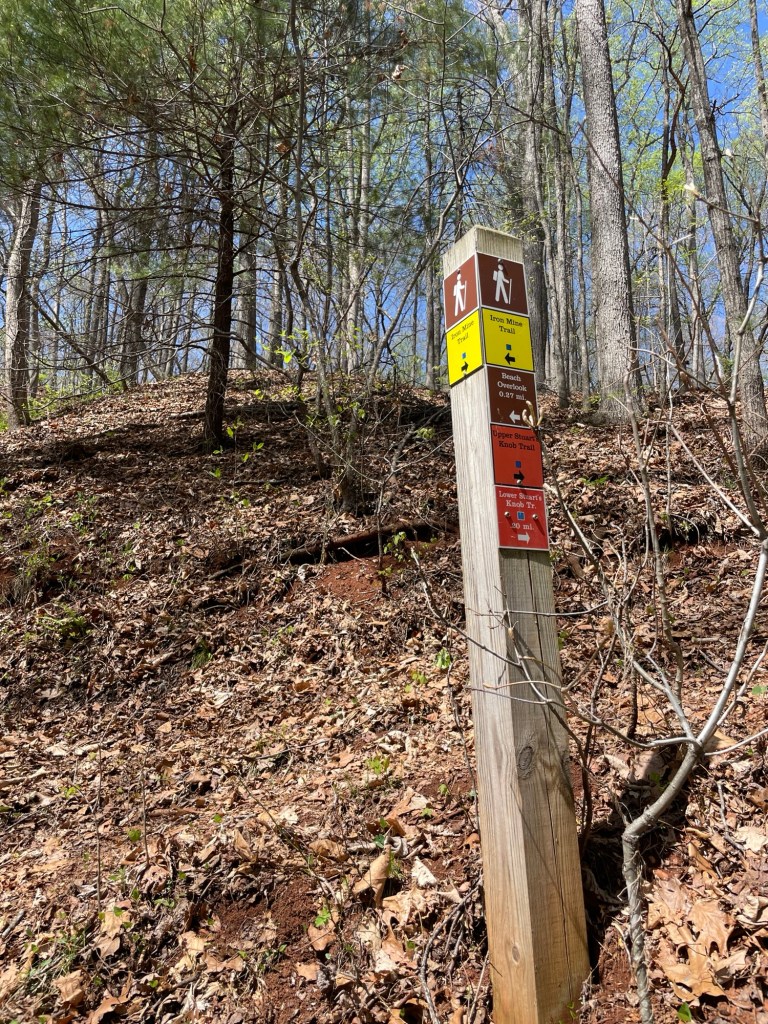
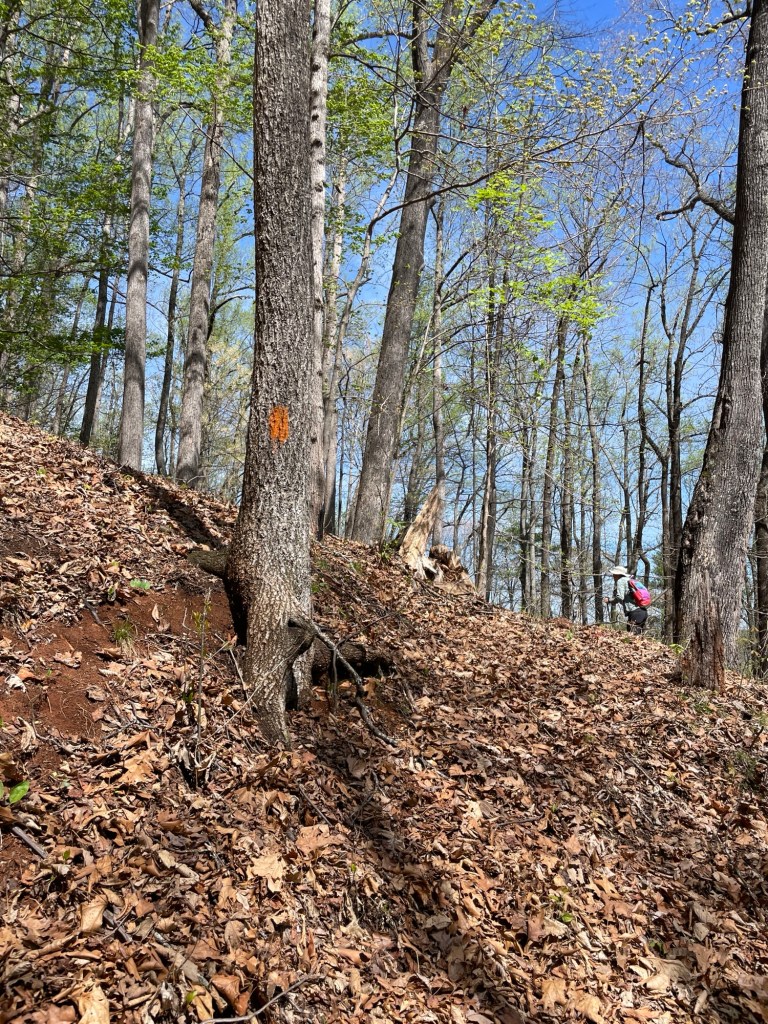
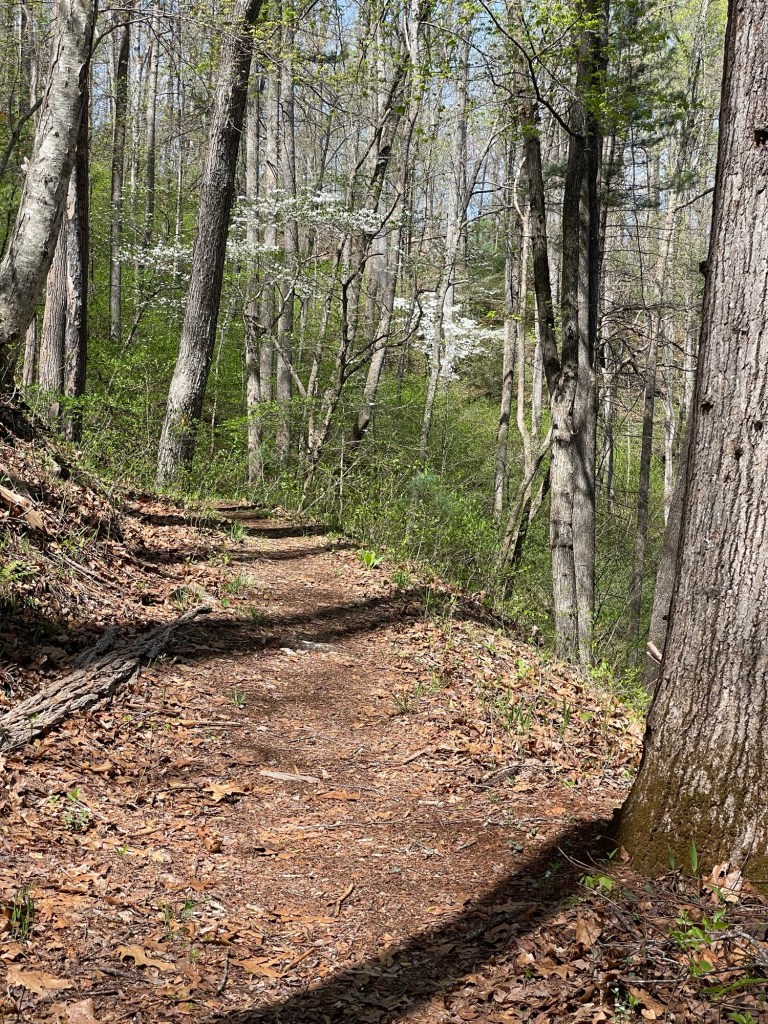
Sherry asked me if we had any trouble following the trails, knowing where they turned, etc. No, and I have to give the state park systems out here a lot of credit. They do a great job of sign-posting and color-coding. On the park’s paper maps, every trail has a name, color, and sometimes a shape assigned to it. Just follow that combo at the intersections and the colored blazes painted on the trees — and be prepared for some amazing views.
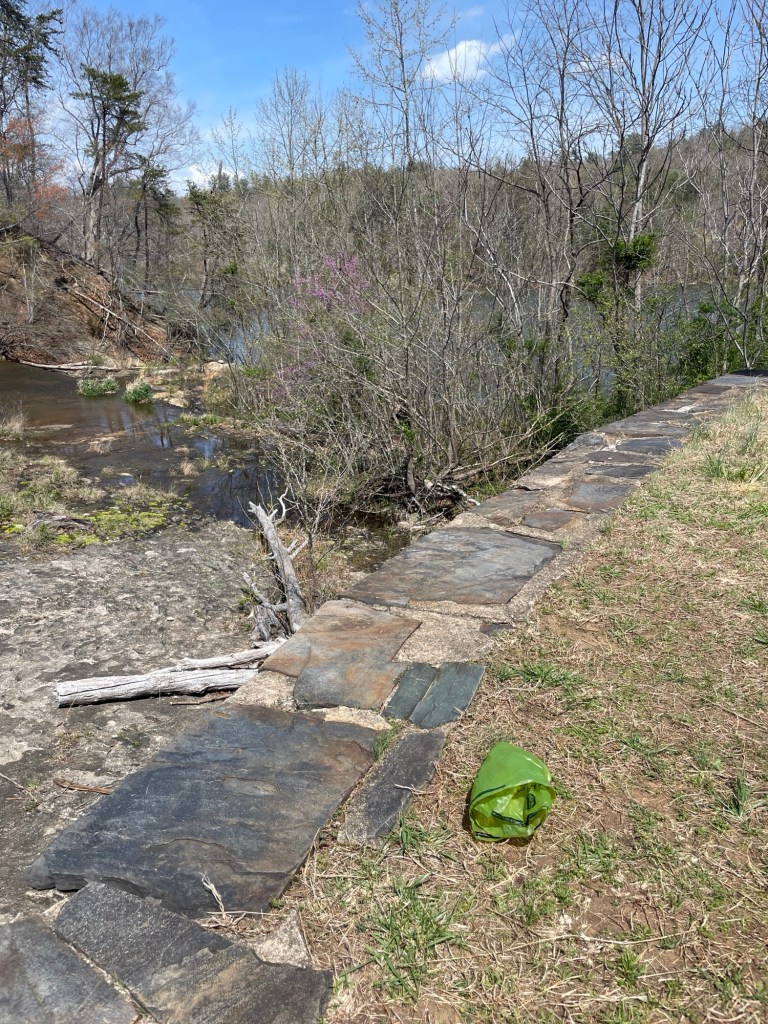
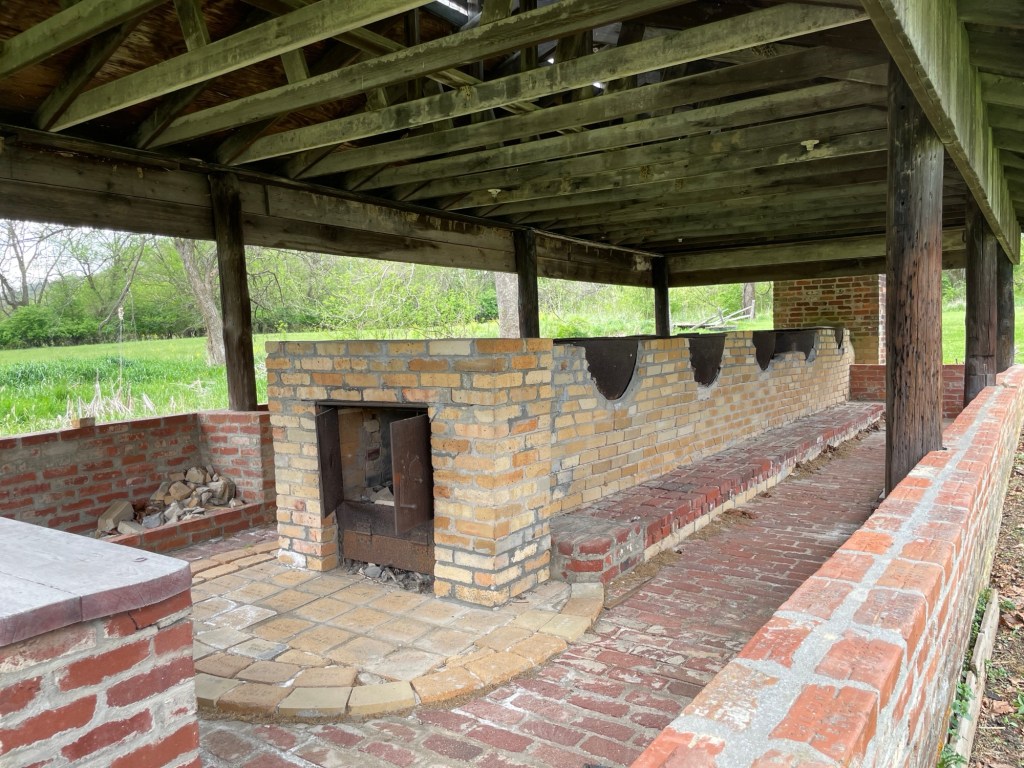
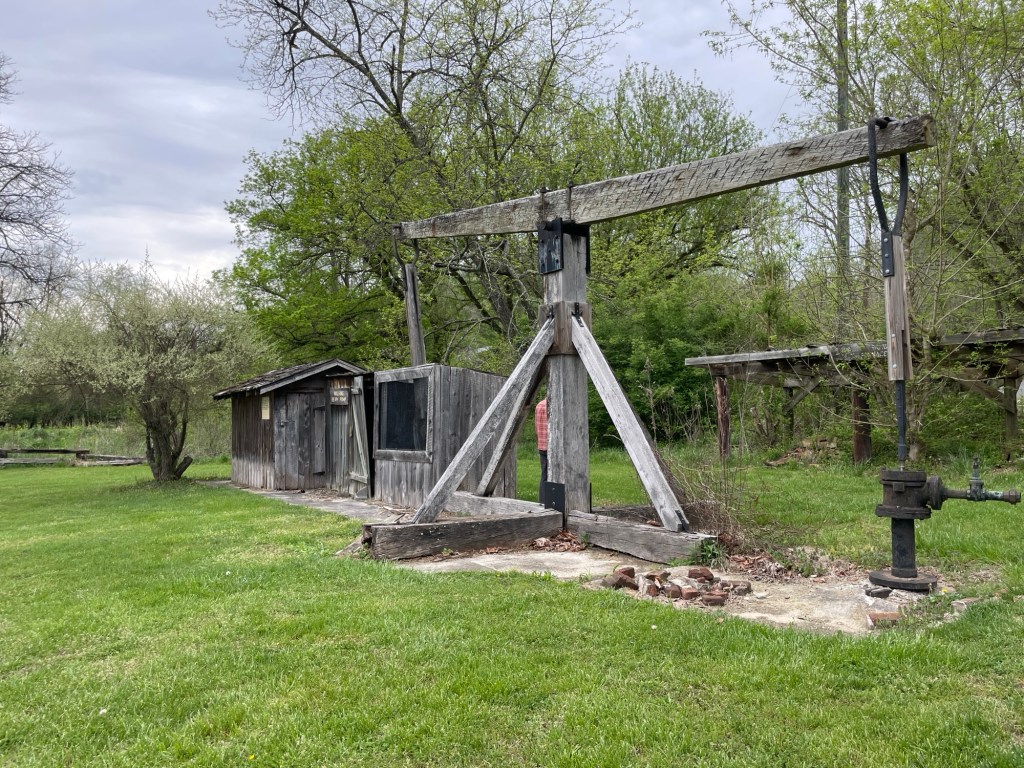
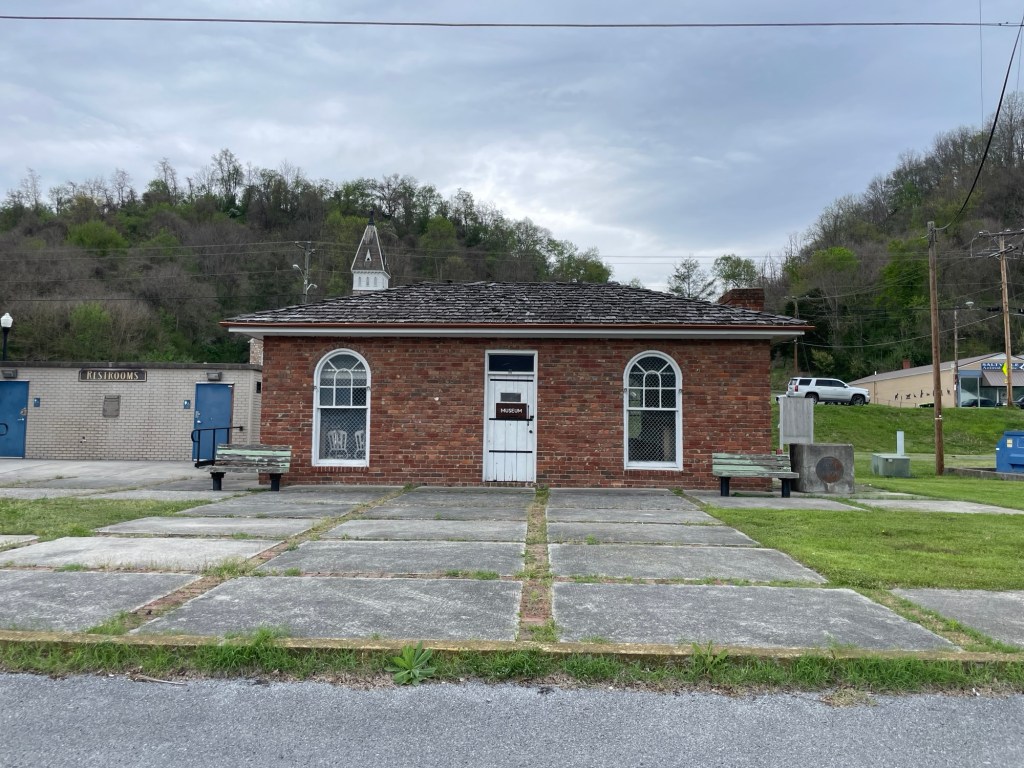
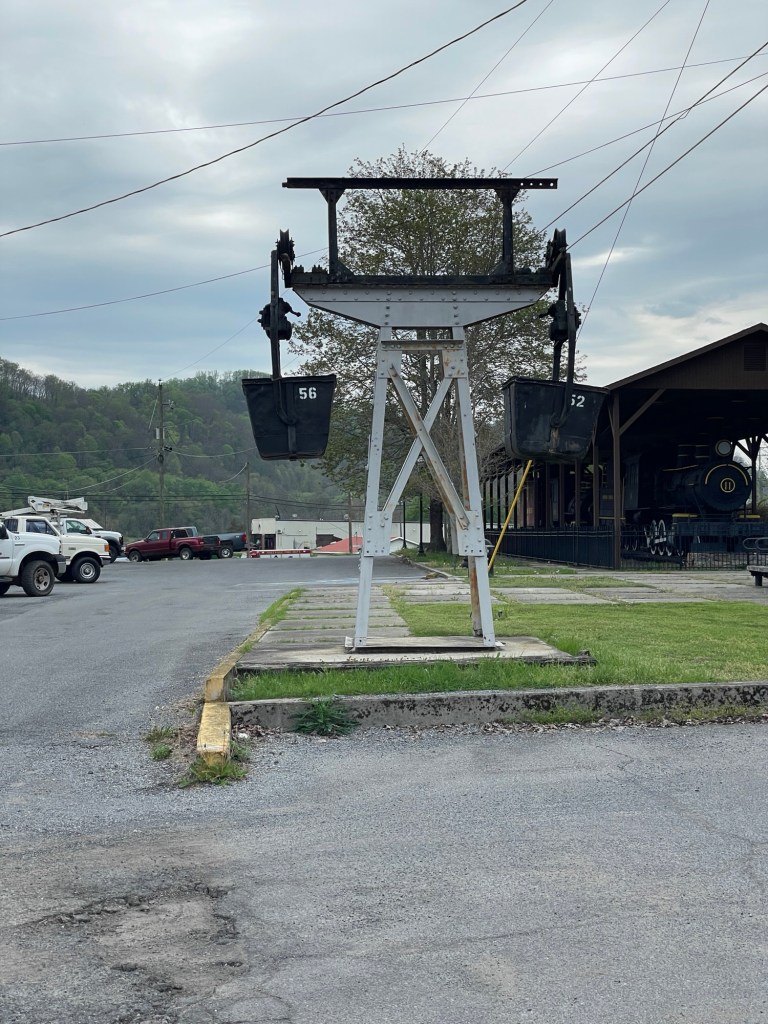
As the name suggests, there’s a lot of salt under the town of Saltville. Indeed, the area has been a source of the essential mineral for thousands of years. But during the Civil War, it became nearly the only salt mine for the entire Confederate States. Everyone needed it for personal consumption, of course, but it was considered even more vital for its role in preserving meat for soldiers that were constantly on the move. All but two Confederate States relied exclusively upon Saltville and kept mining operation teams working year-round. Because of its essential role in supplying the Confederacy, it was a perpetual target of Union troops. After two battles late in the war, the Union succeeded in taking Saltville. It was a particularly devastating loss, in a time of many devastating losses.
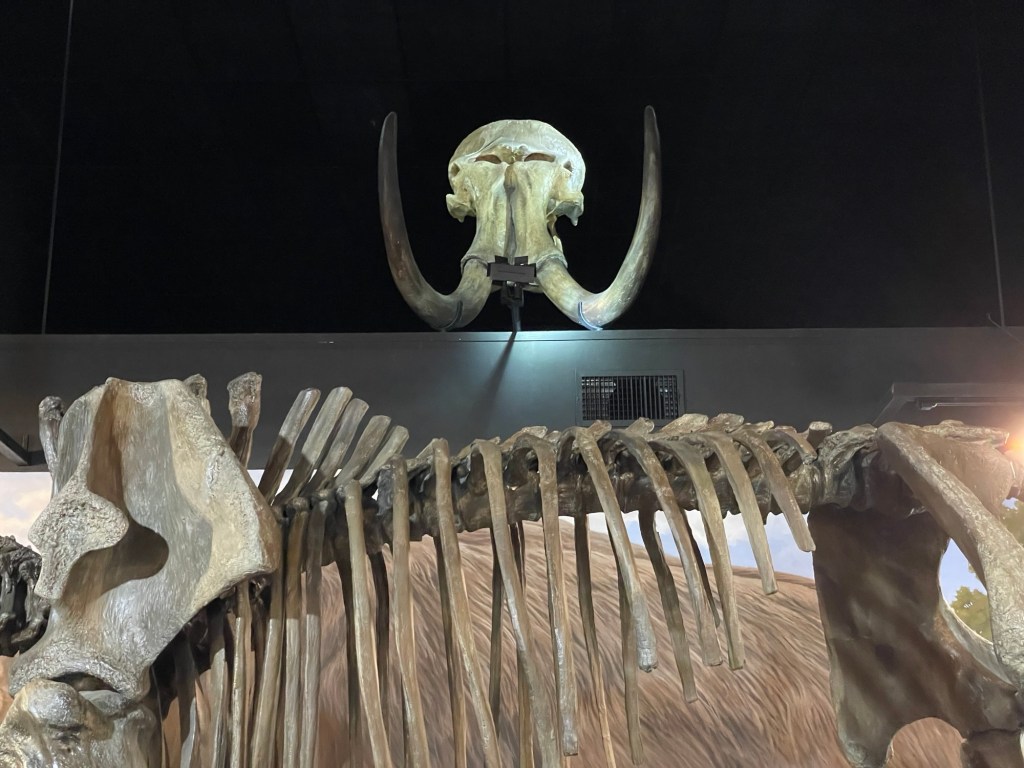
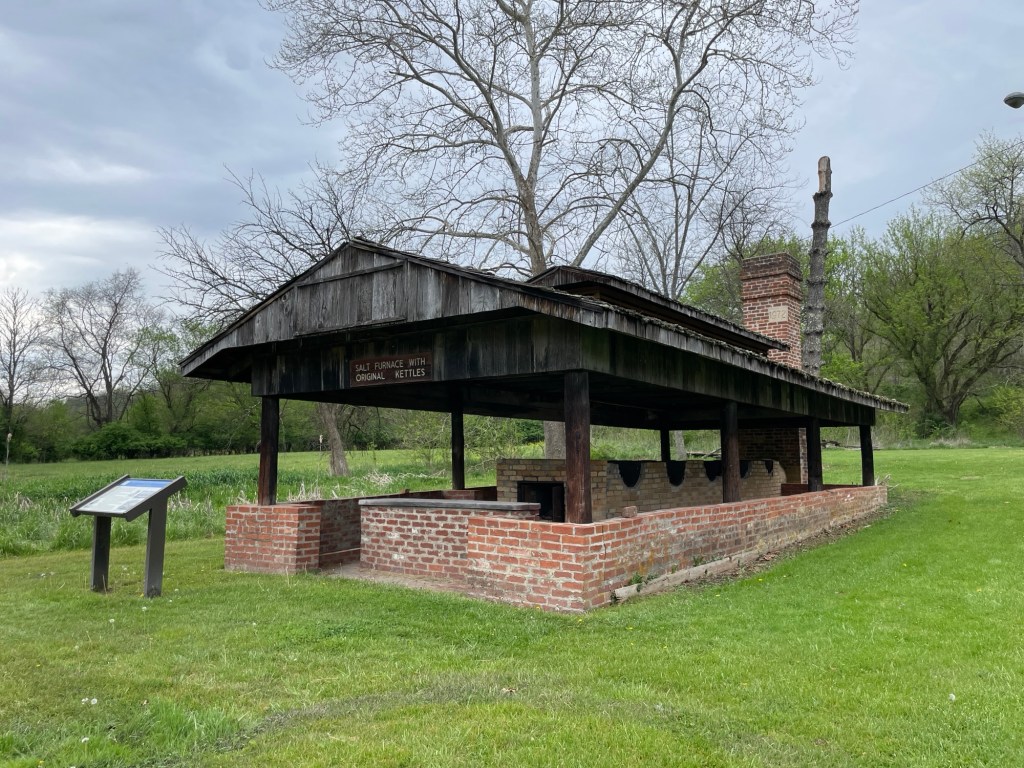
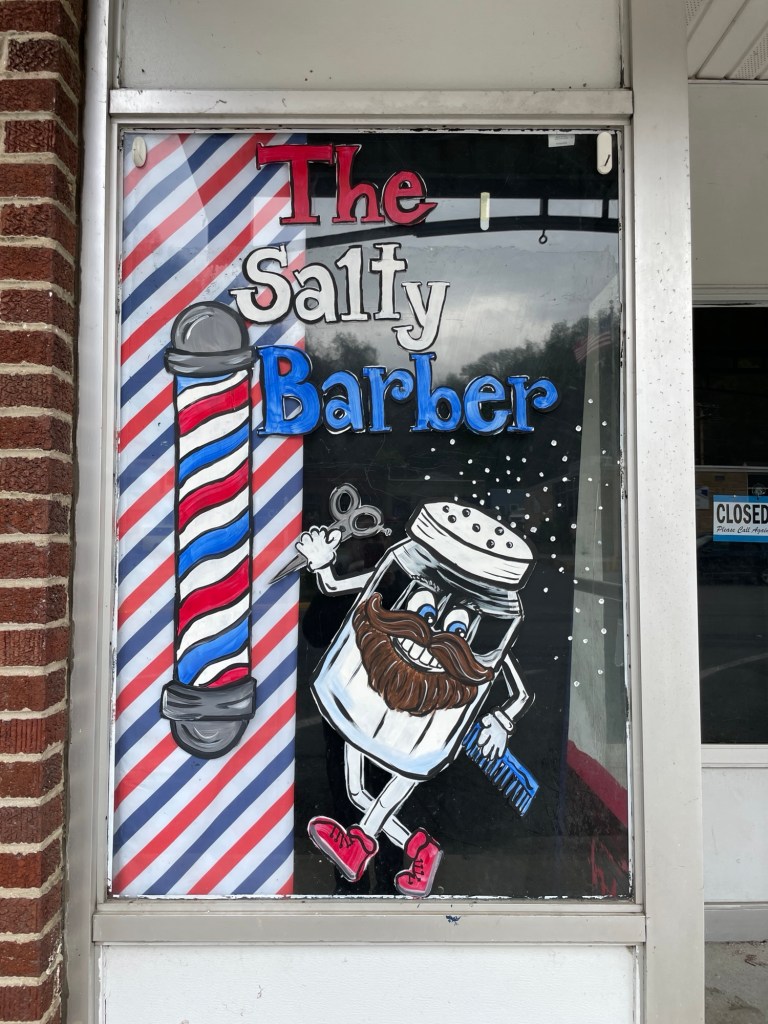
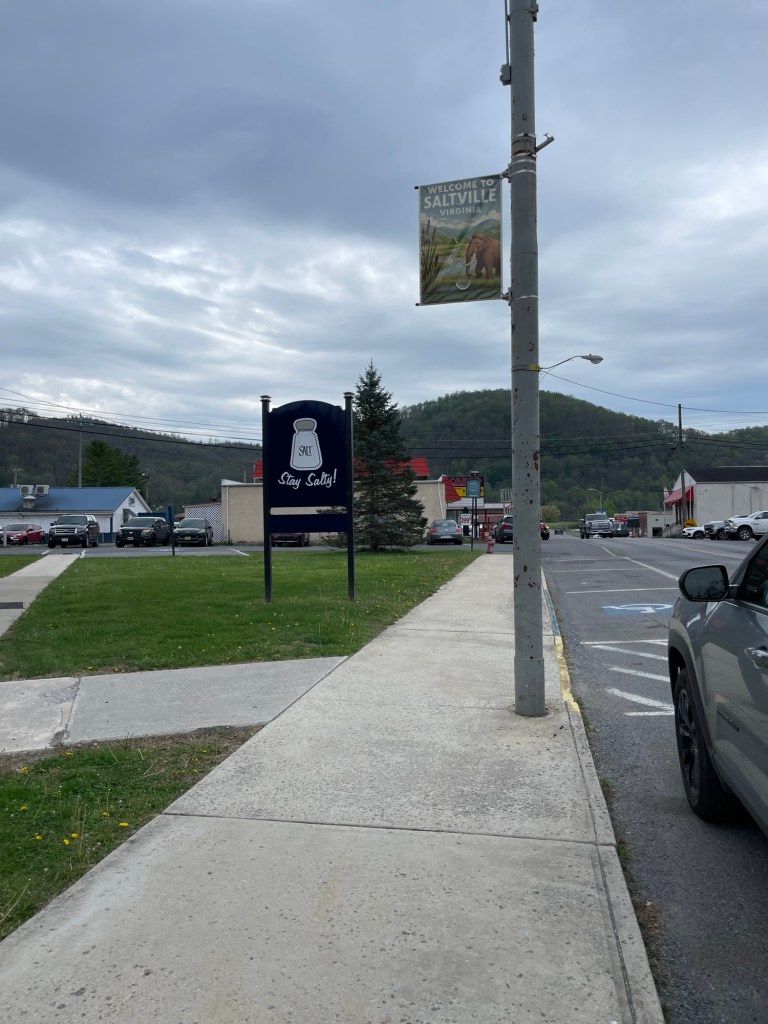
Seriously, the school district’s mascot was a salt shaker. Remember folks, Stay Salty!
Let’s step even further back in time.
Back in the colonial era, the Appalachian Mountain range was the western edge of America’s British-held region, and Great Britain had no immediate plans to expand beyond that. In fact, Colonists were expressly forbidden from settling in the aptly named Indian Territory. One of the lesser talked about draws for the American Revolution was the fact that people living in the original colonies, men like George Washington and Daniel Boone, had been eyeing all that virgin timber, fertile soil, and abundant wildlife west of the Appalachians for some time. Some, like Washington, even went so far as to covertly survey the land to facilitate making a claim on their preferred sections the moment they legally could. Others like Boone, simply crossed the Appalachian Mountain range and squatted on the land, assuming the old adage “Possession is 9/10ths of the law” would hold true when push came to shove.
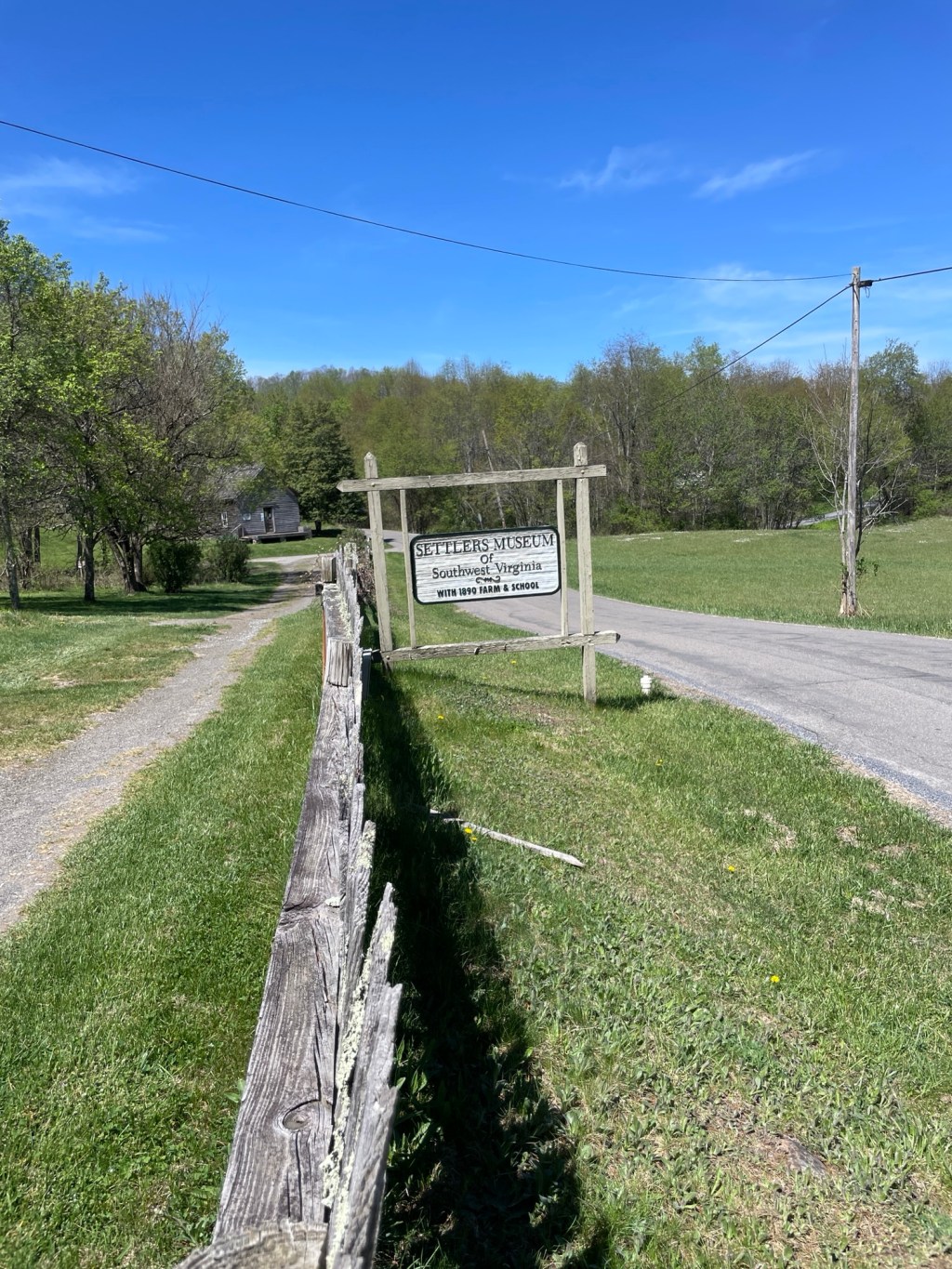
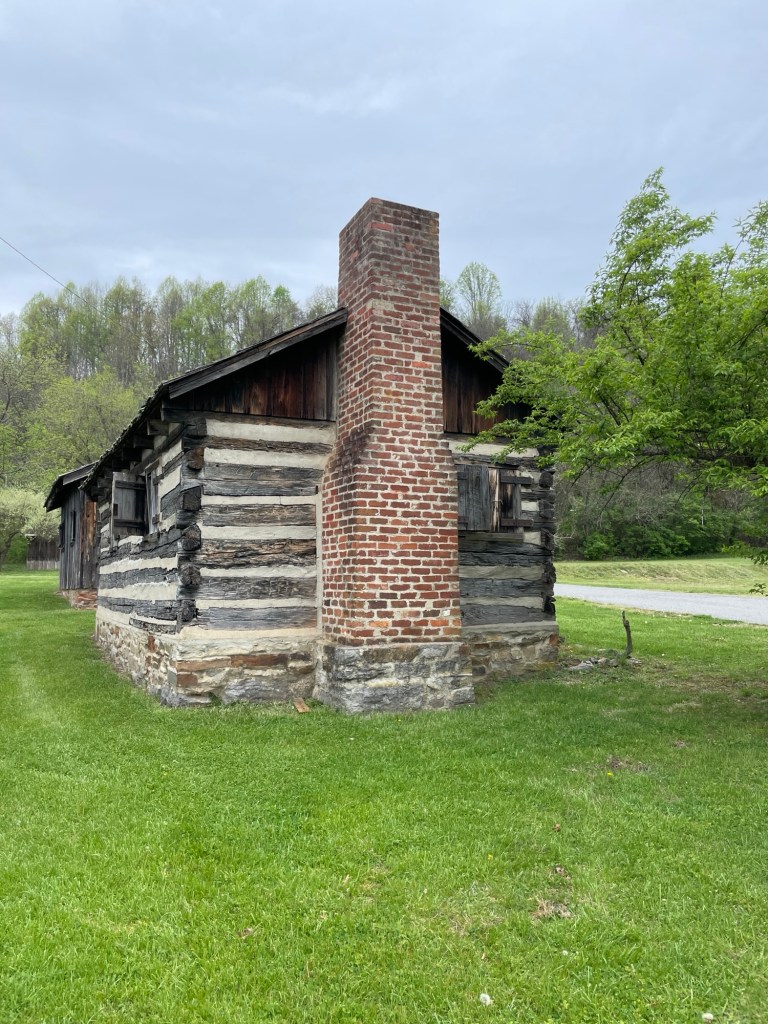
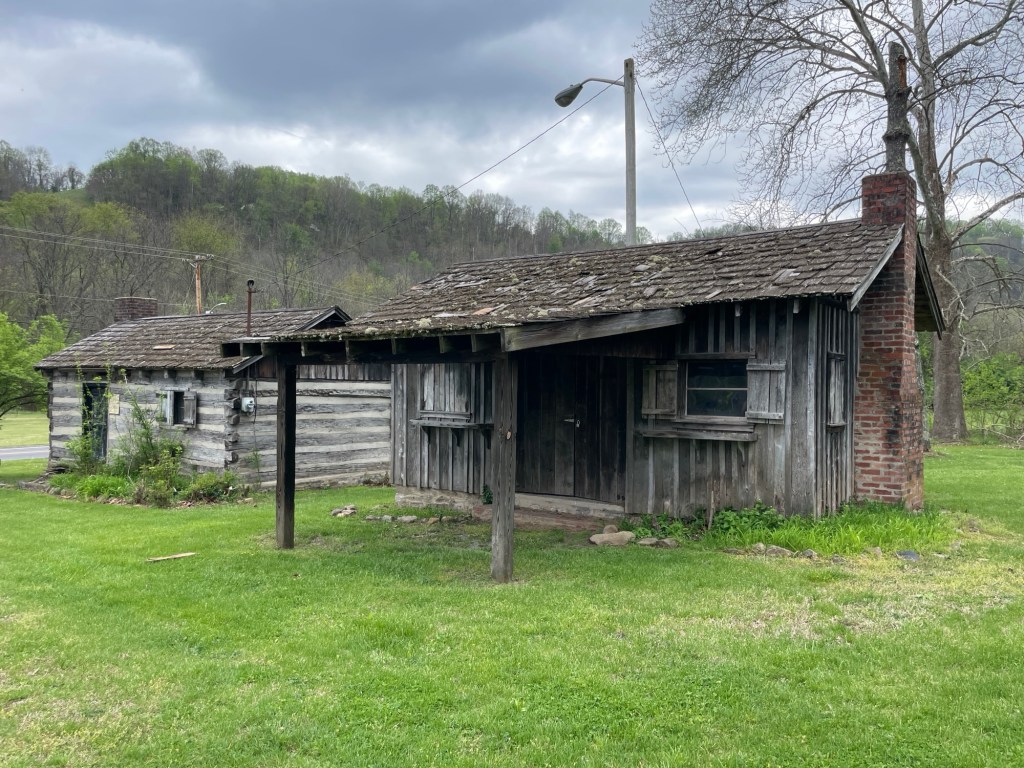
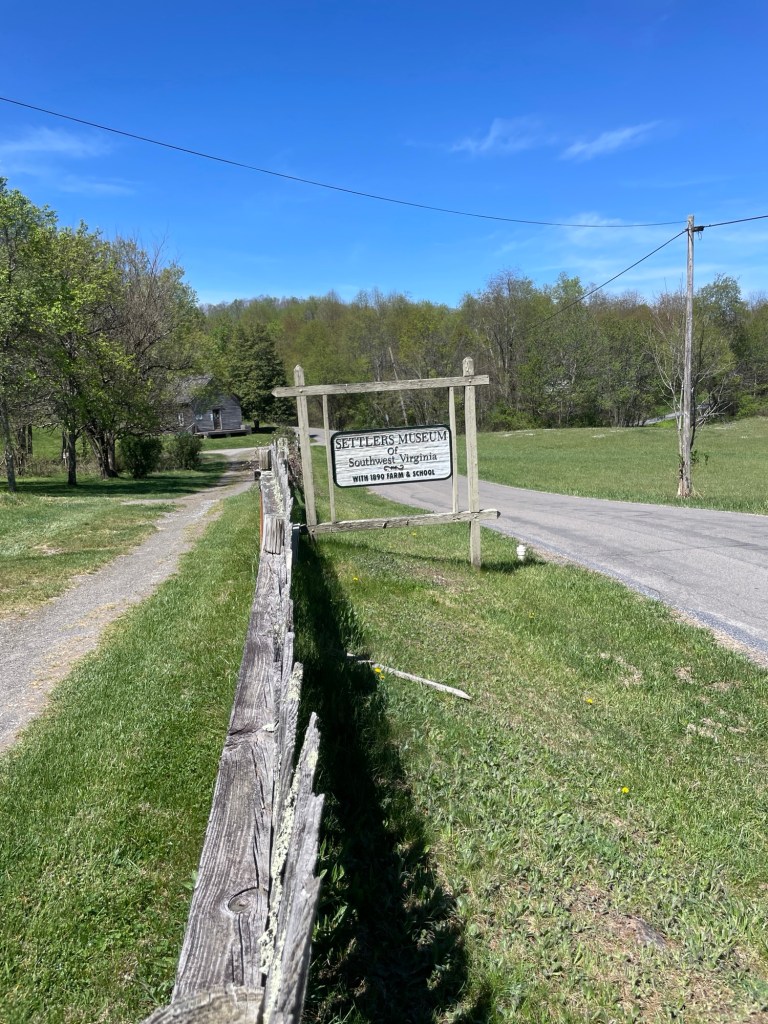
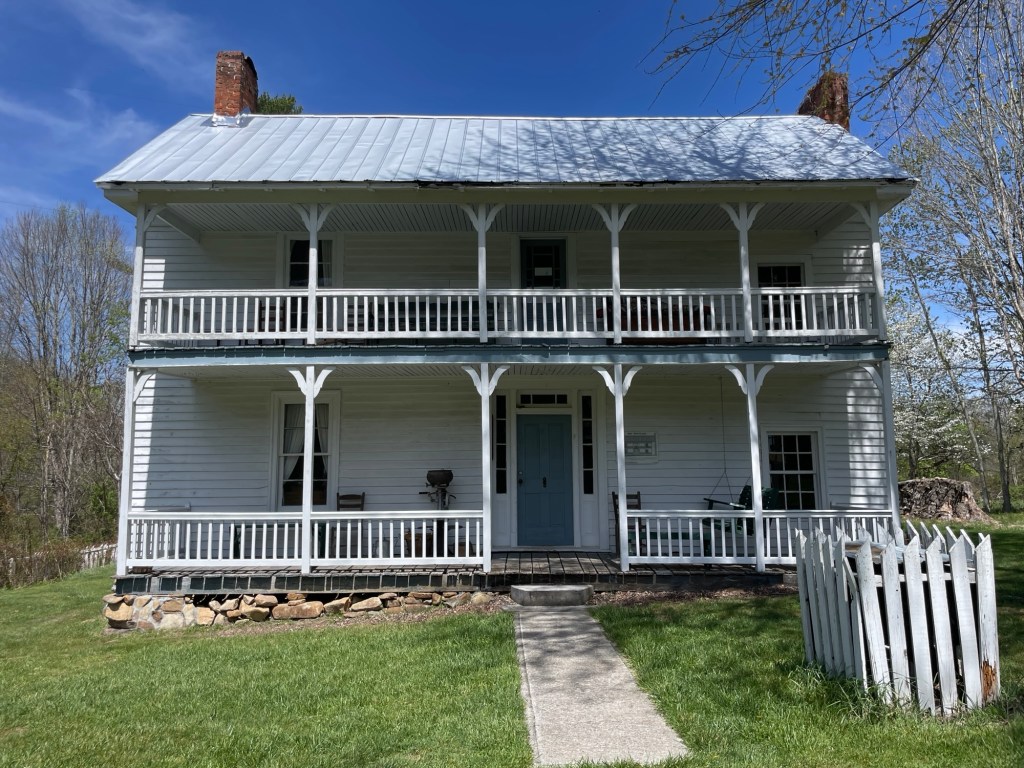
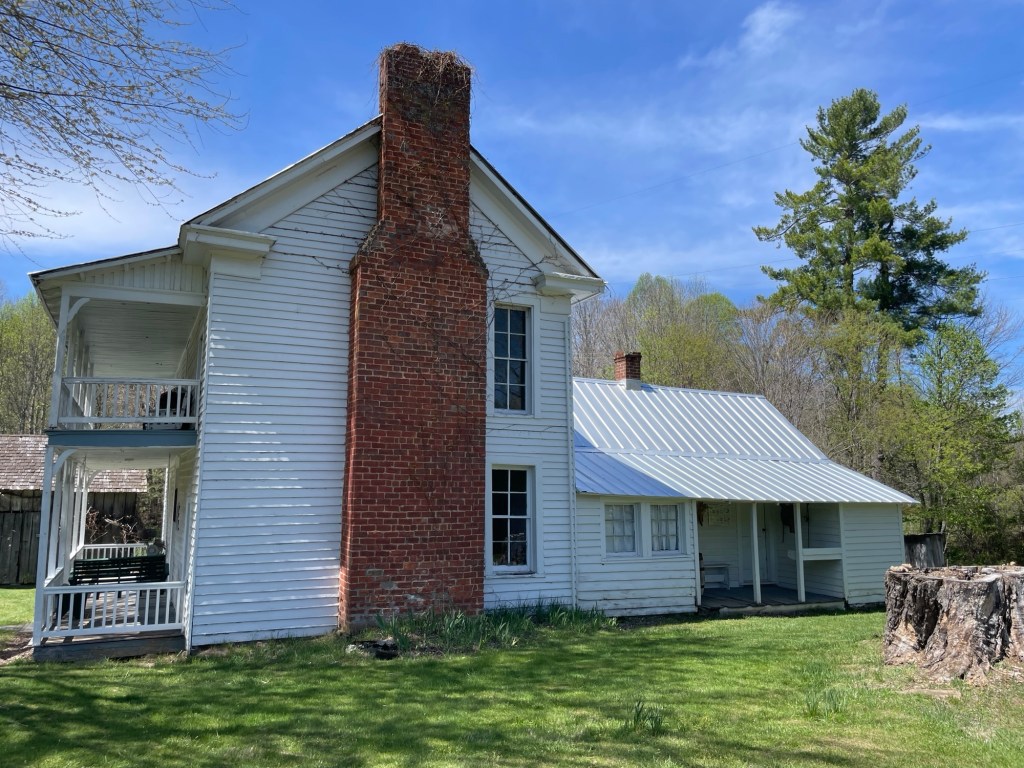
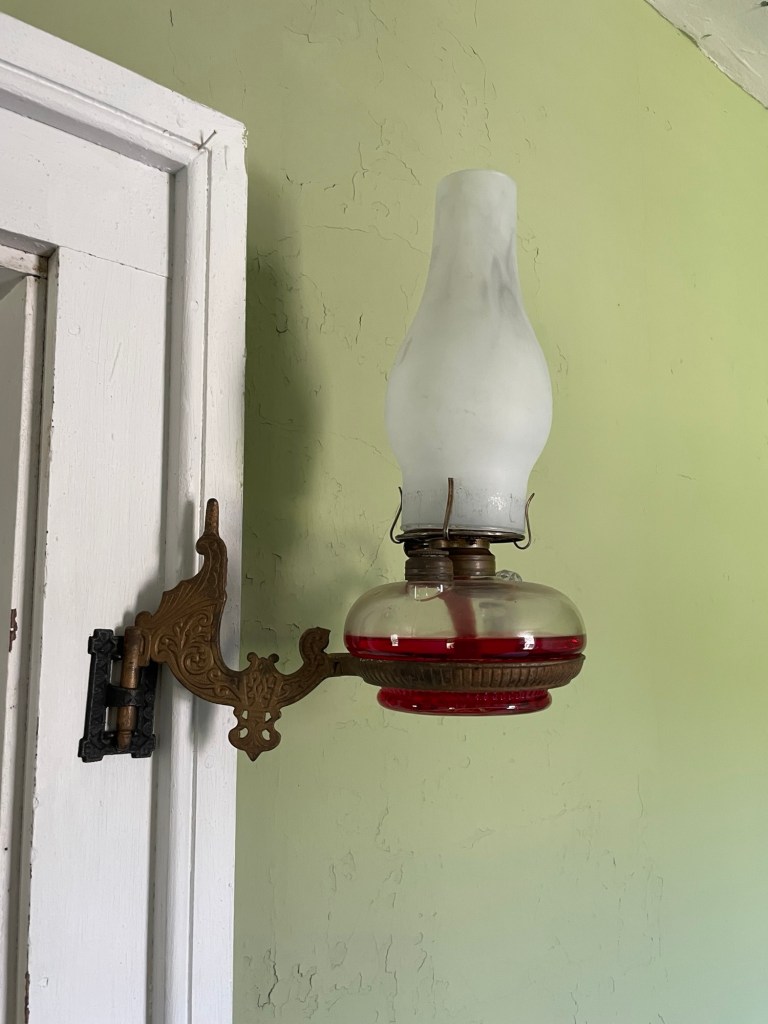
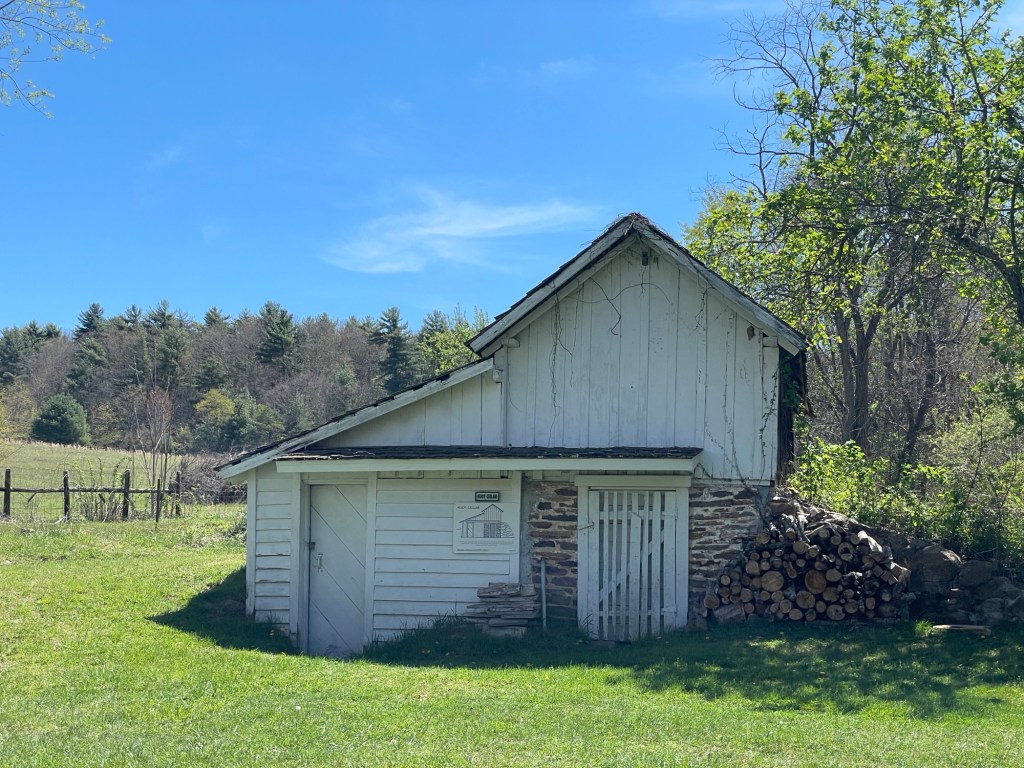
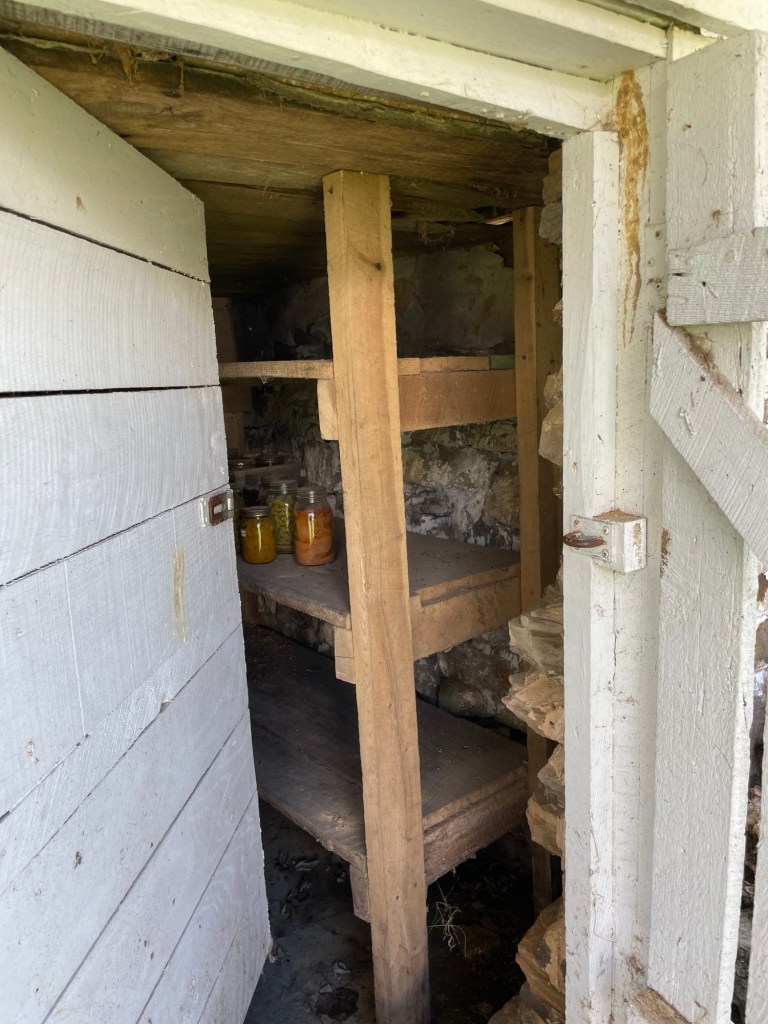
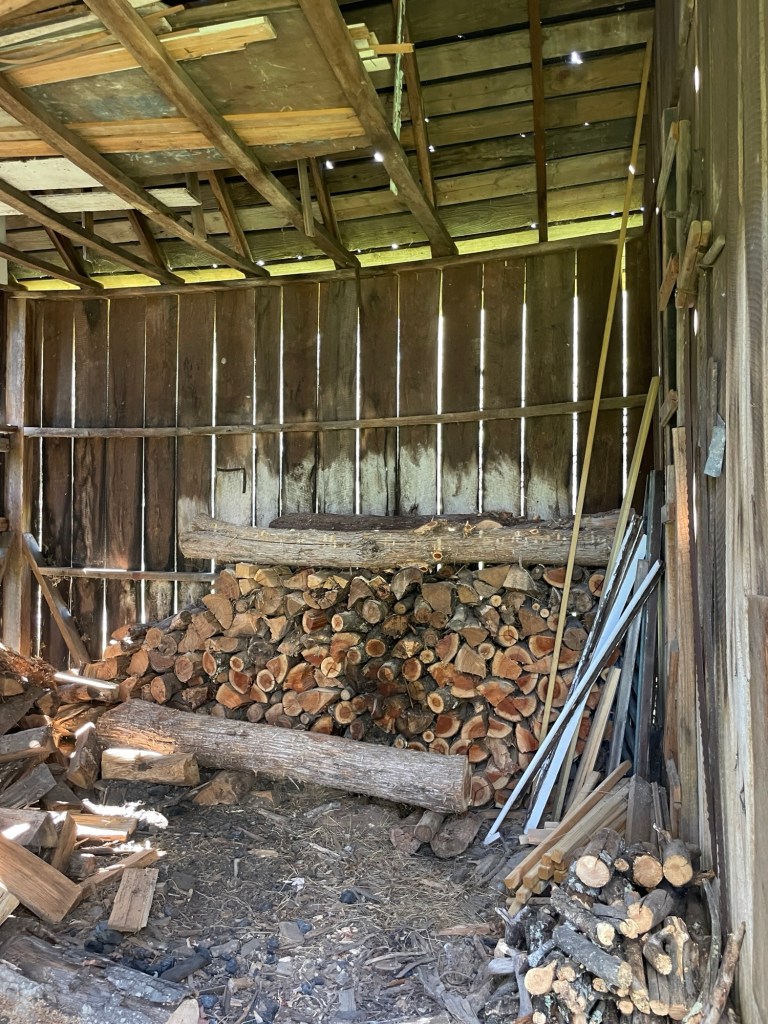
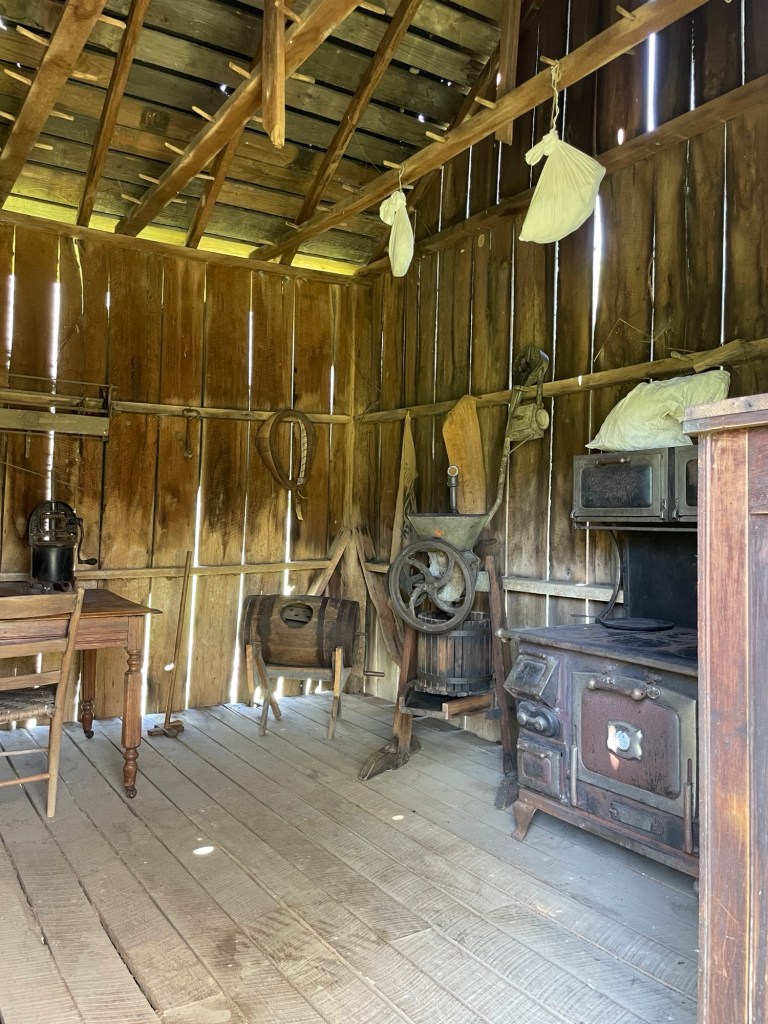
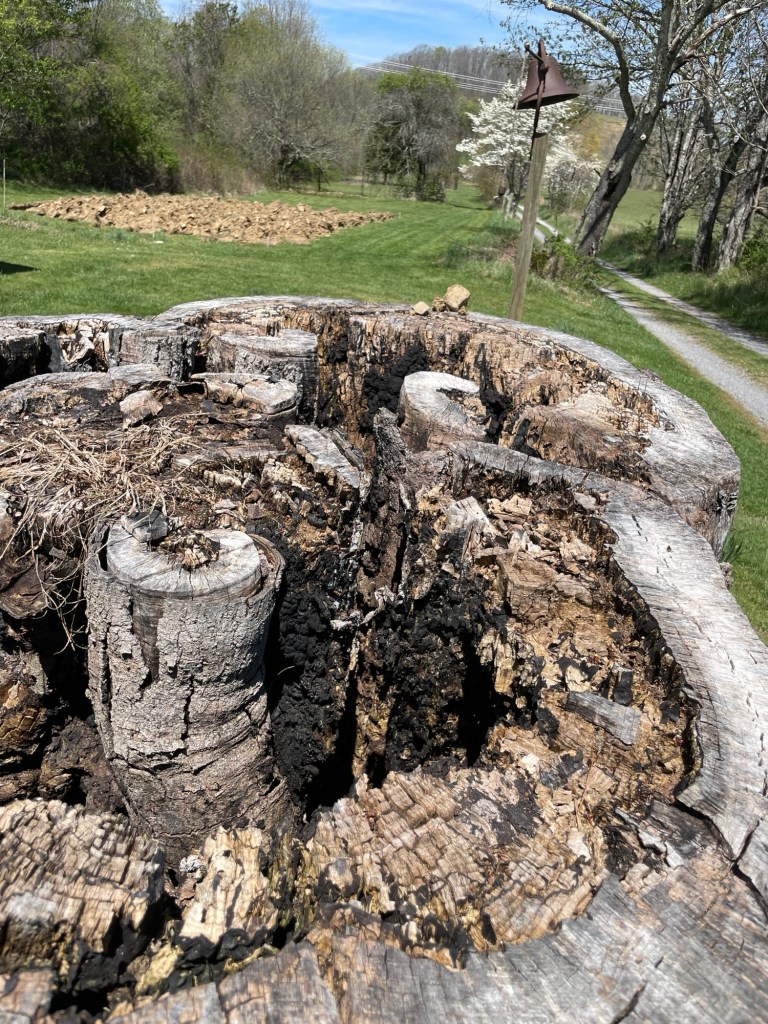
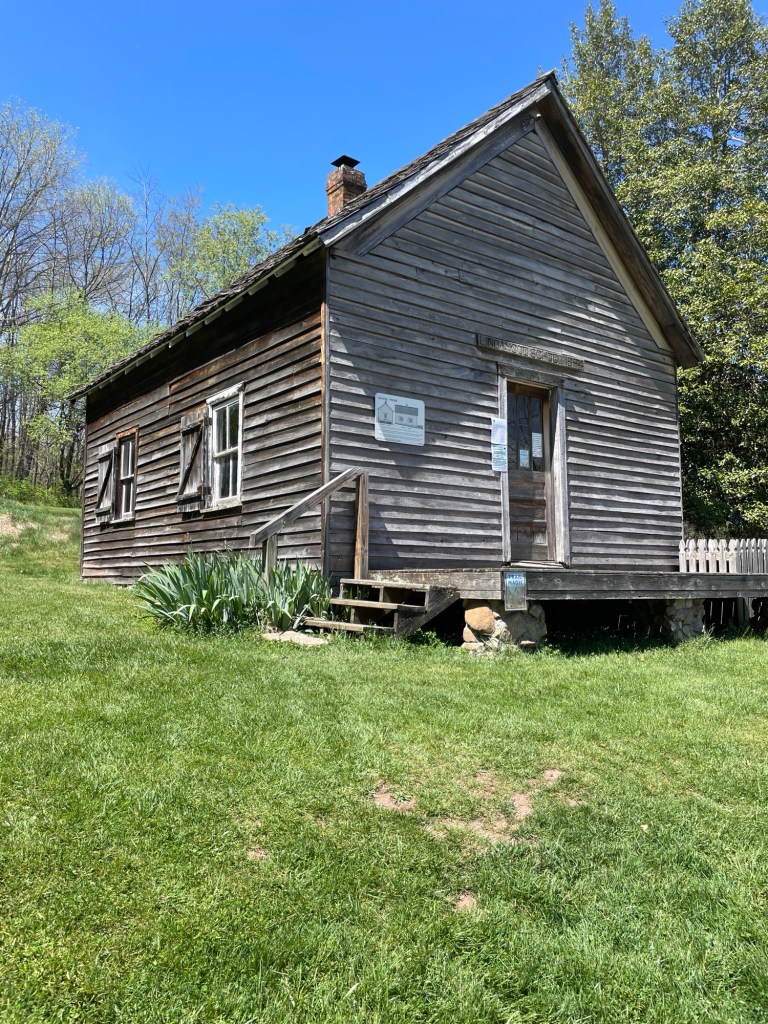
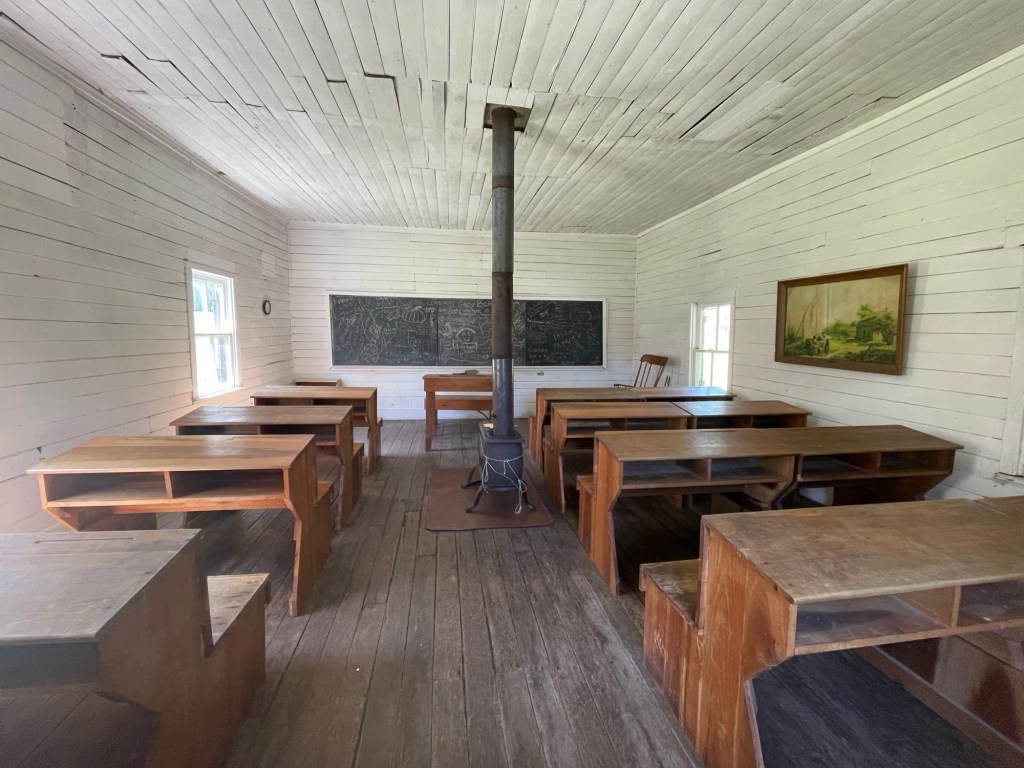
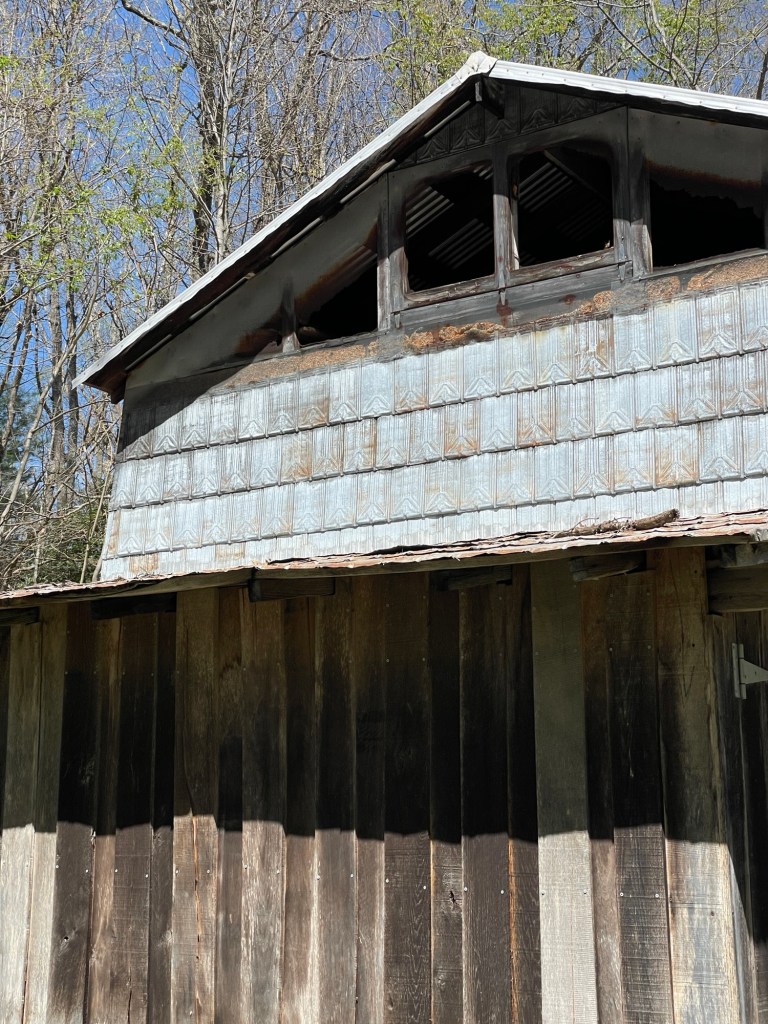
Before and at an accelerated pace after the American Revolution, when settlers from Europe and the colonies began to really swarm across the land, the Old Wagon Road was the ox-drawn highway of its day. Wagons with all a family’s worldly goods crossed through and into central and western Virginia from the late 1700s onwards. The 1890s era Settler’s Museum of Southwestern Virginia (with a section of the Appalachian Trail running through it) educates visitors on settler life, with an emphasis on the role of migration at a farm that was already a century old in 1890.
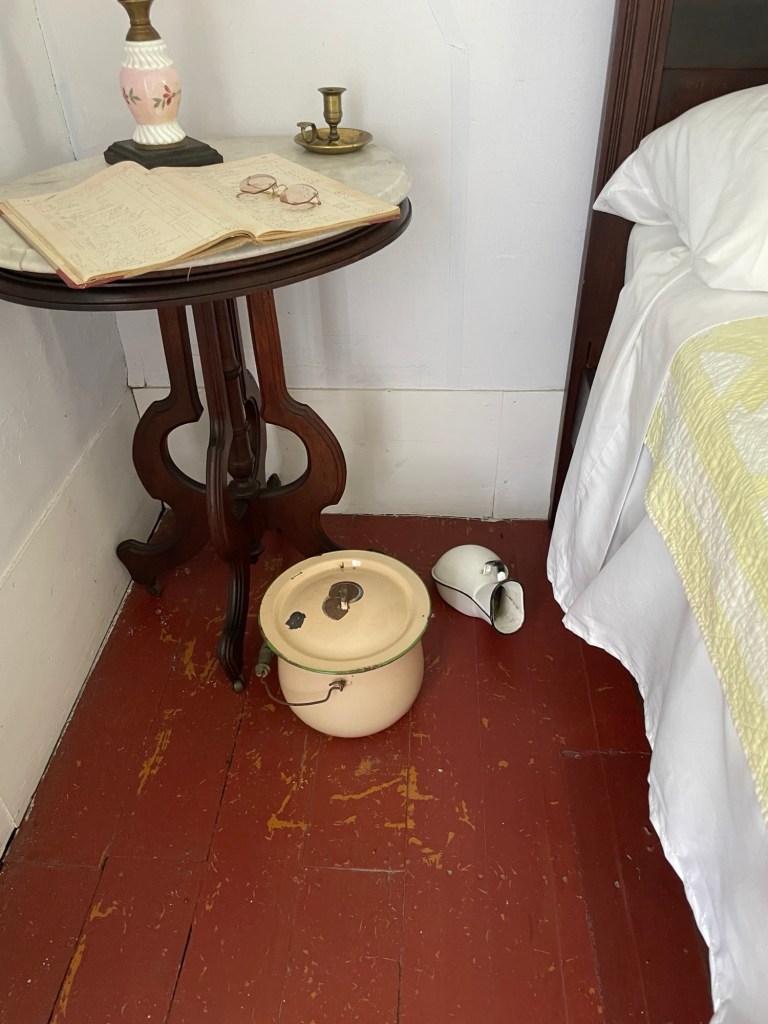
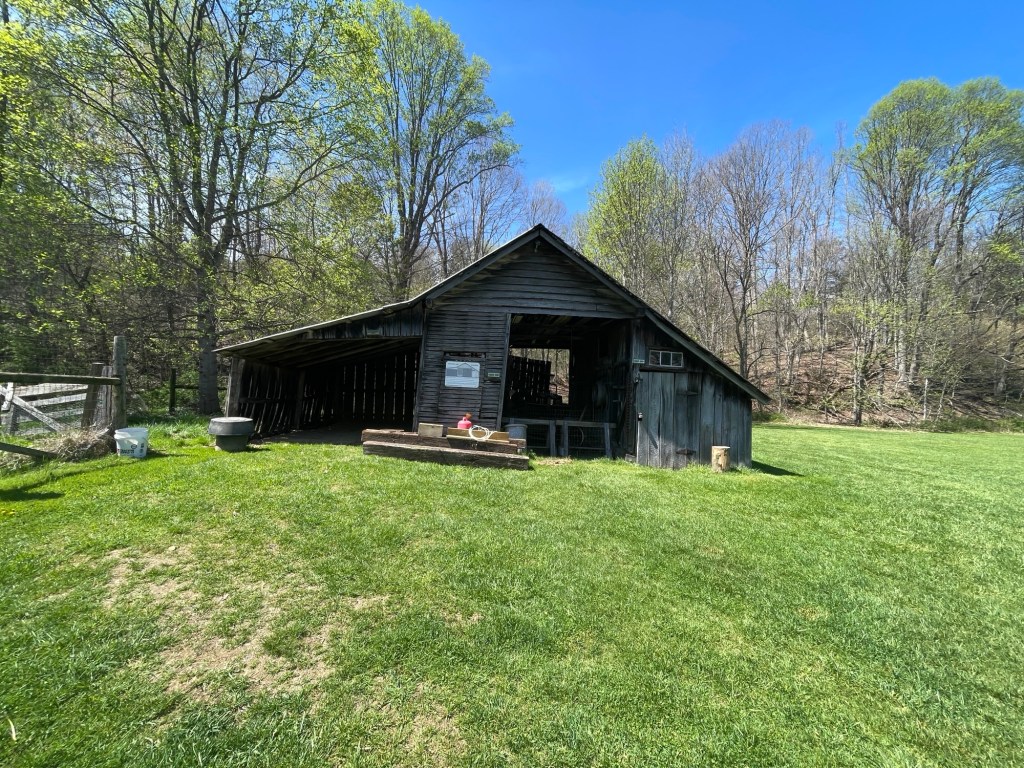
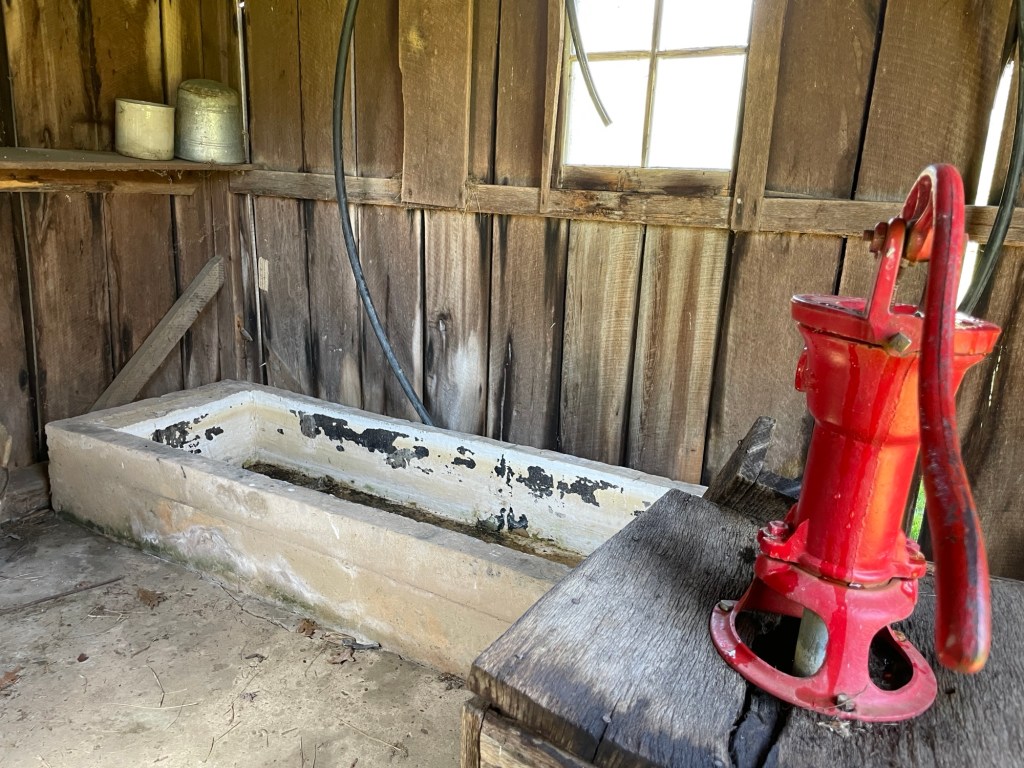
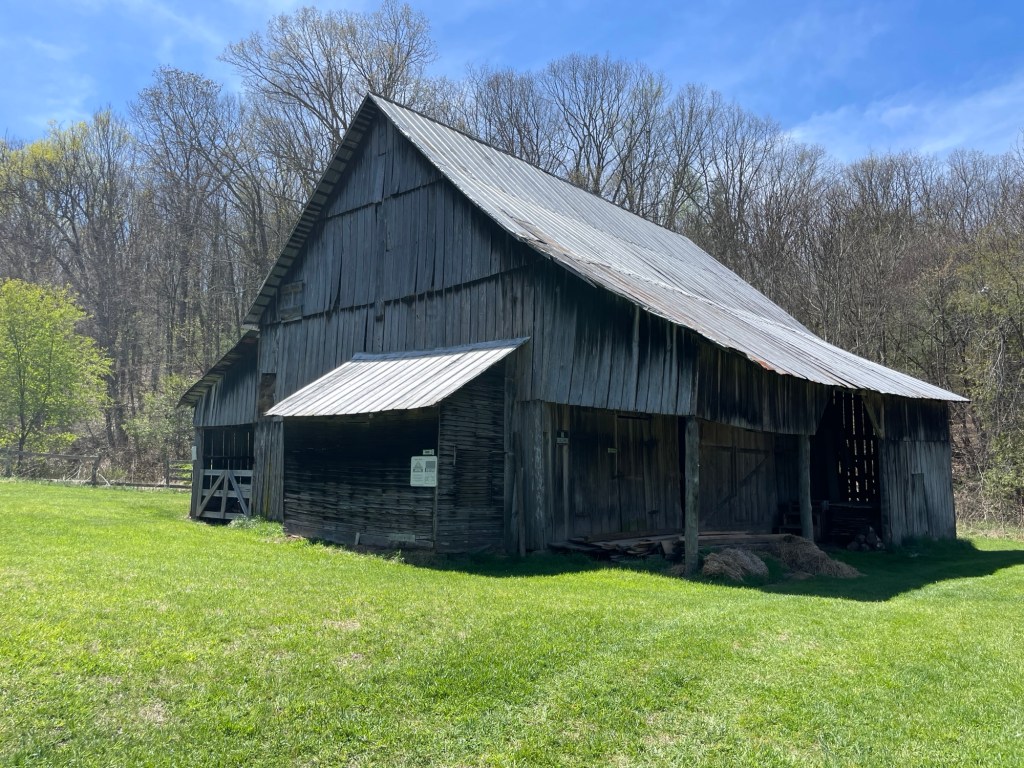
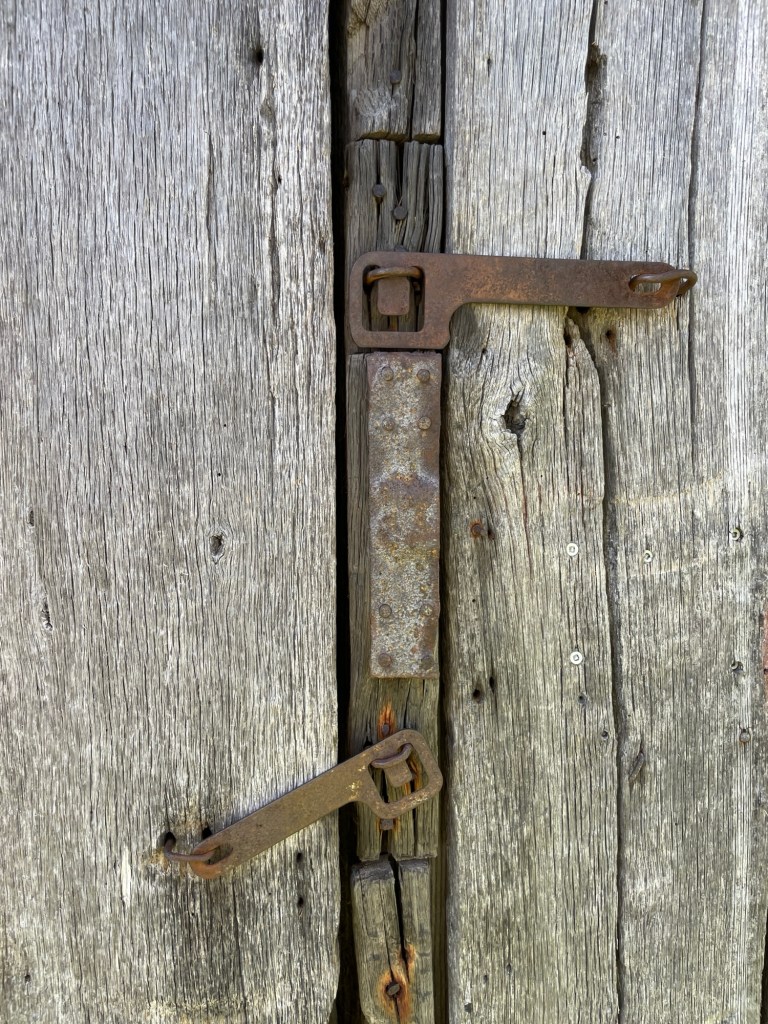
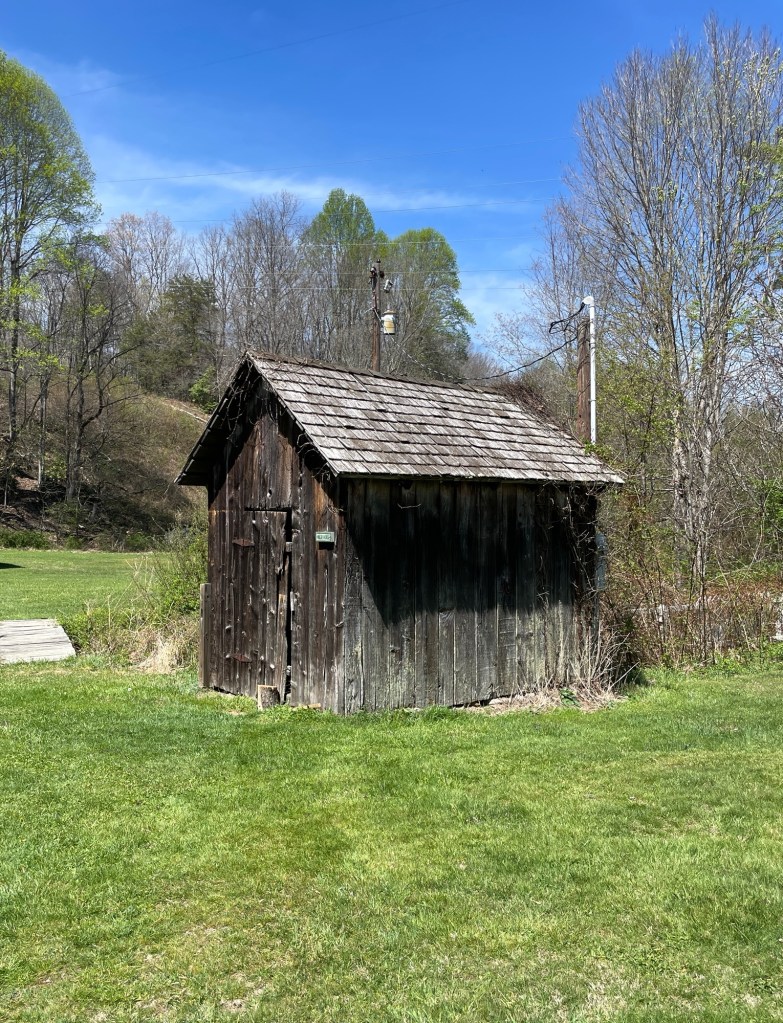
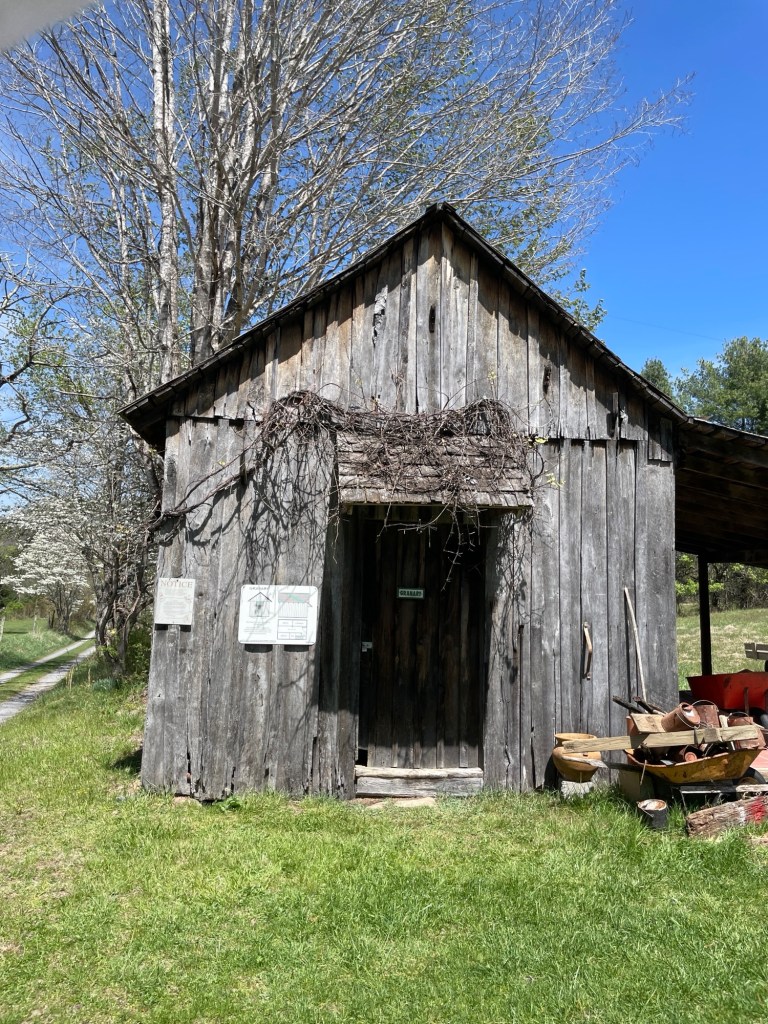
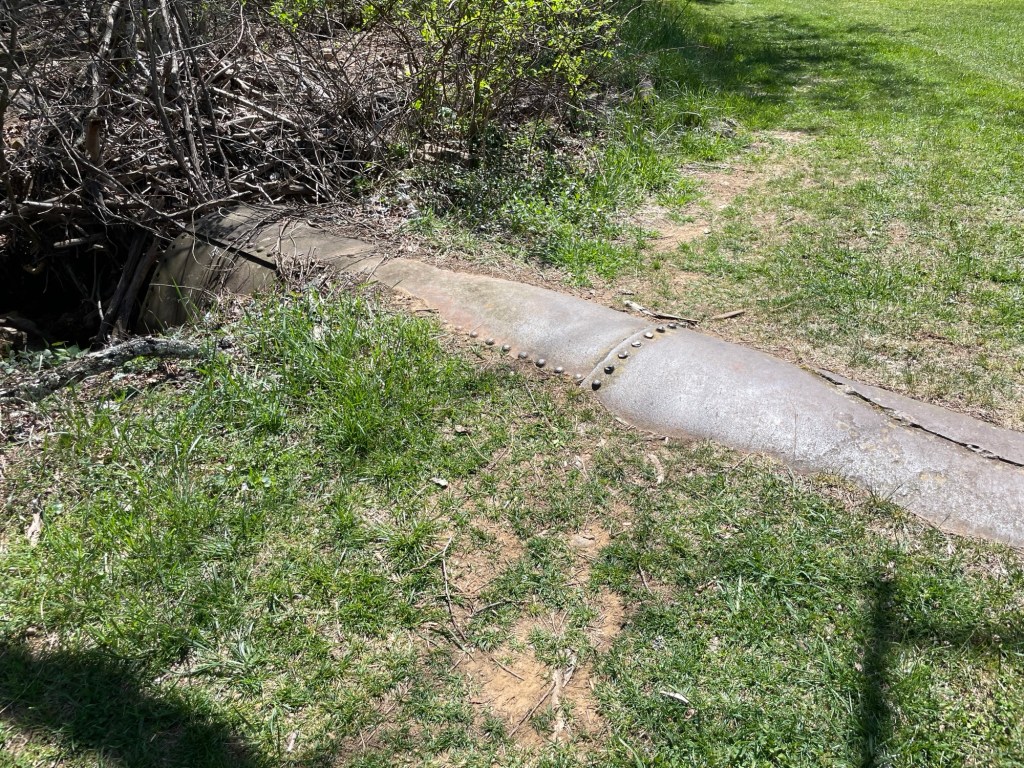
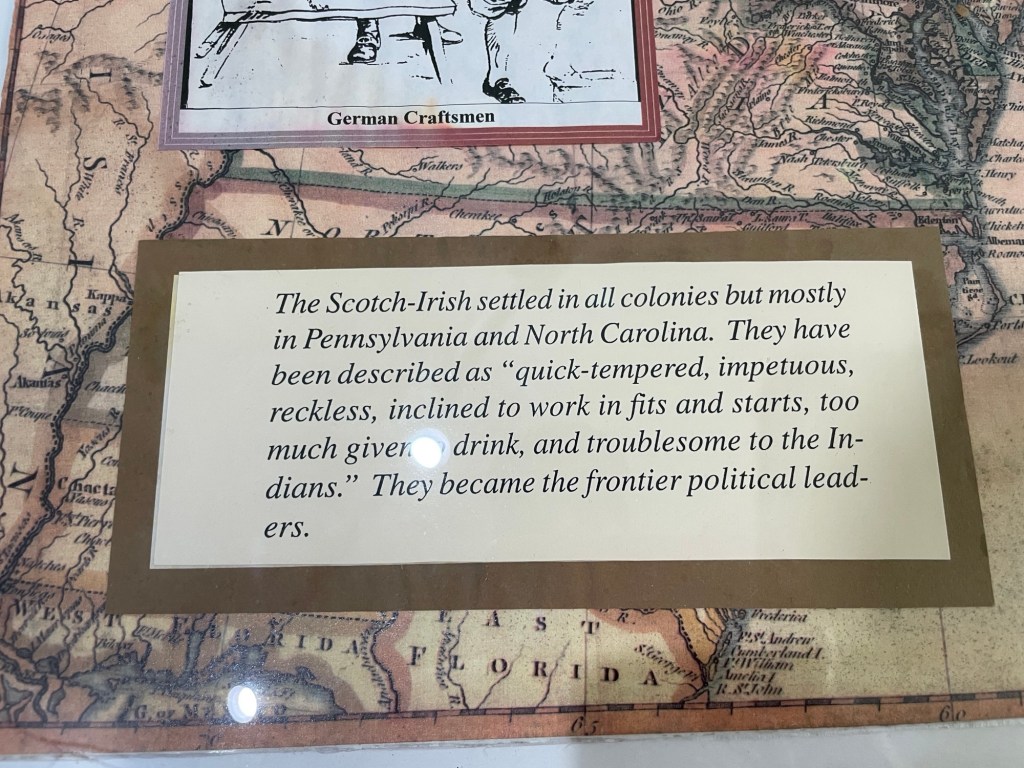
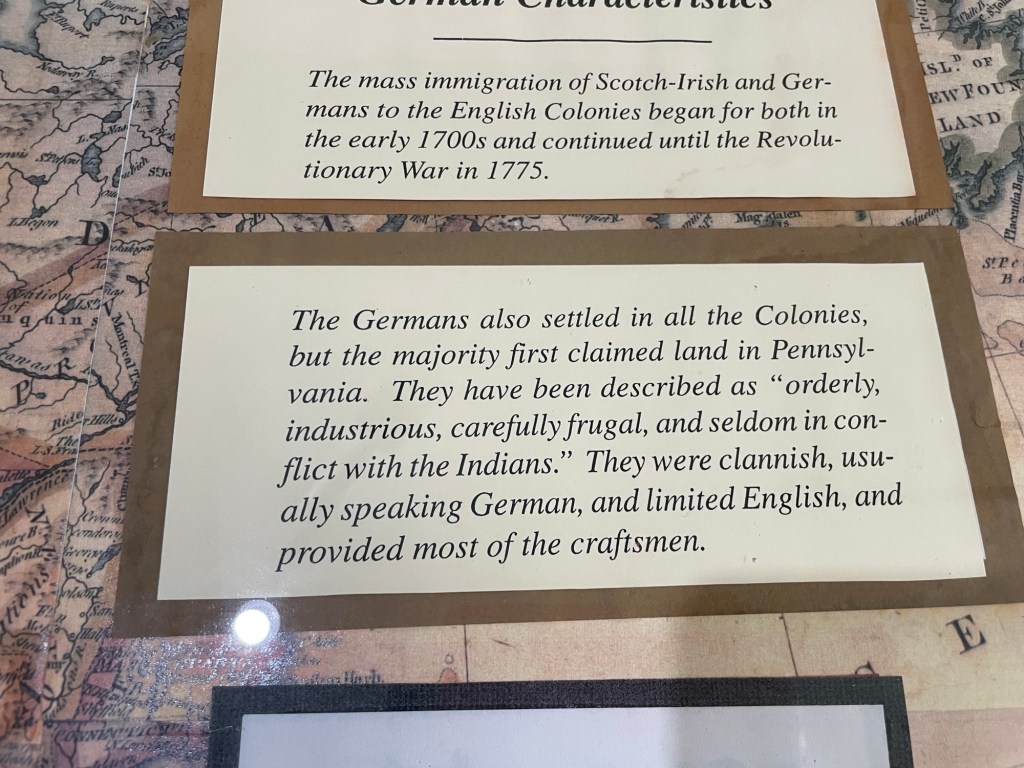
The emigration exhibit showed how every immigrant group has faced its own stereotypes and pushbacks. Even the ones about my own whitey-white-white ancestral heritage, those good immigrants we hear so much about nowadays, weren’t always thought of so highly.
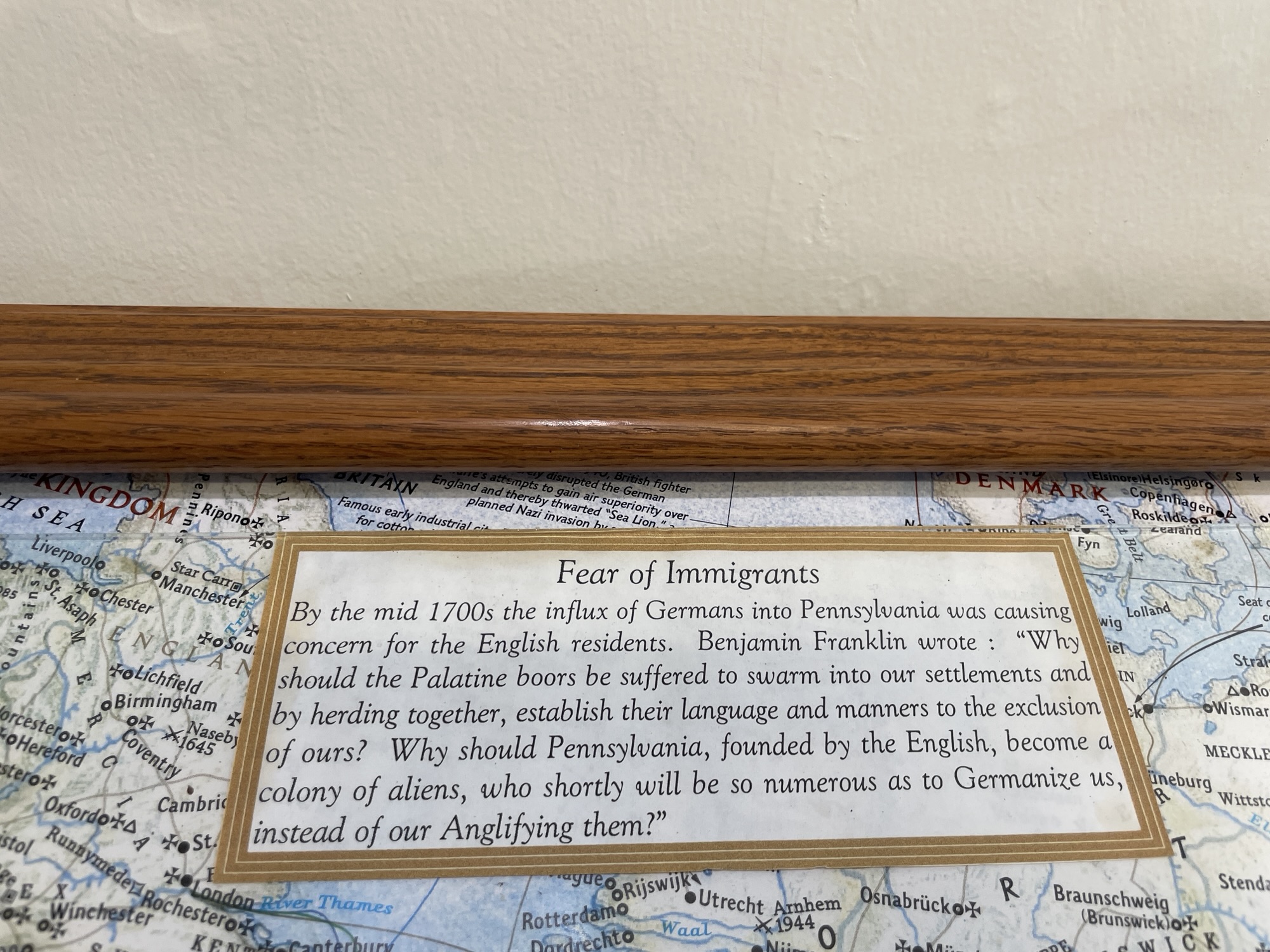
(Palentine is a word that referred to people from the old German city-states)
In Wytheville, we saw something that made our heads swivel.


Leave a Reply