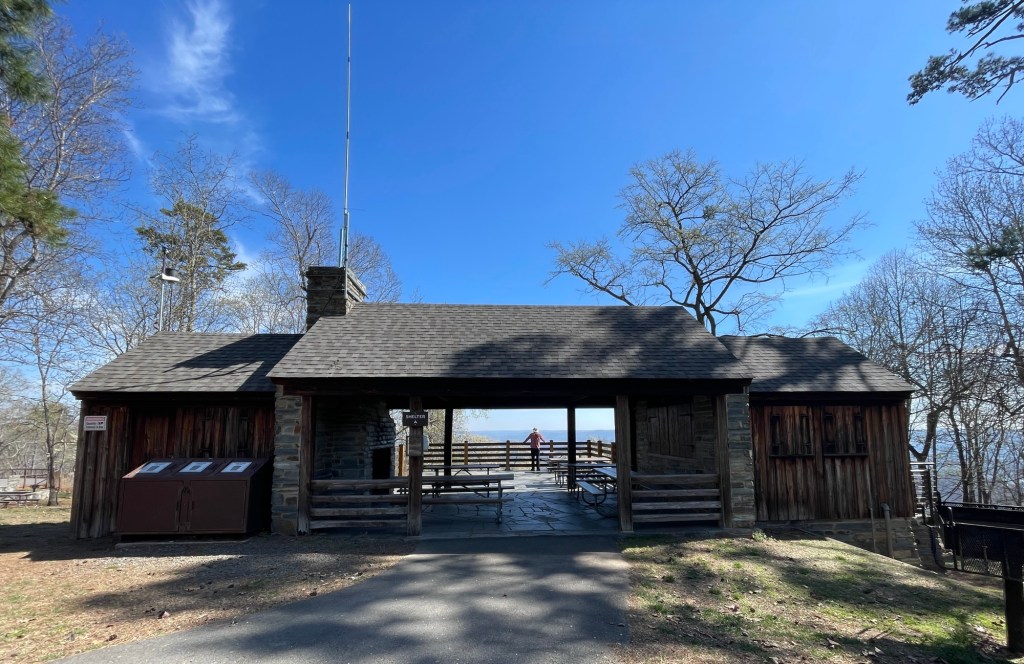
A lot of people out West like to talk smack about the Appalachians and other eastern mountains, and we admit to it as well. But after spending almost 4 months at or near sea level, it was a little thrilling to see the word Mountain in a campground’s name again. While hiking, biking, and driving around Morrow Mountain State Park, Jeff happily called out our elevation as we hiked, noting the difference between our highest and lowest points afterwards.
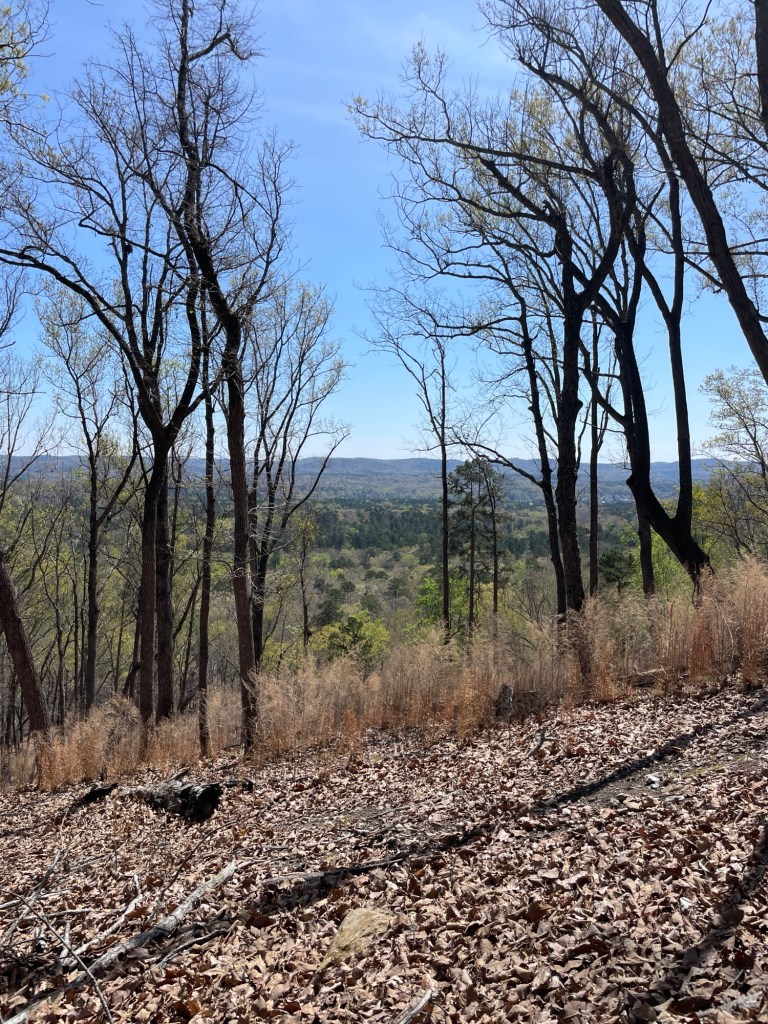
Morrow Mountain, the park’s highest peak, comes in at just under 1,000 ft. Yes, that’s barely considered a culvert back in Colorado, but we felt a bit of burn in the glutes and thighs getting back to it after so long in the low country. Cycling up some actual inclines definitely felt strange, too, after so much time just cruising around on flat ground.
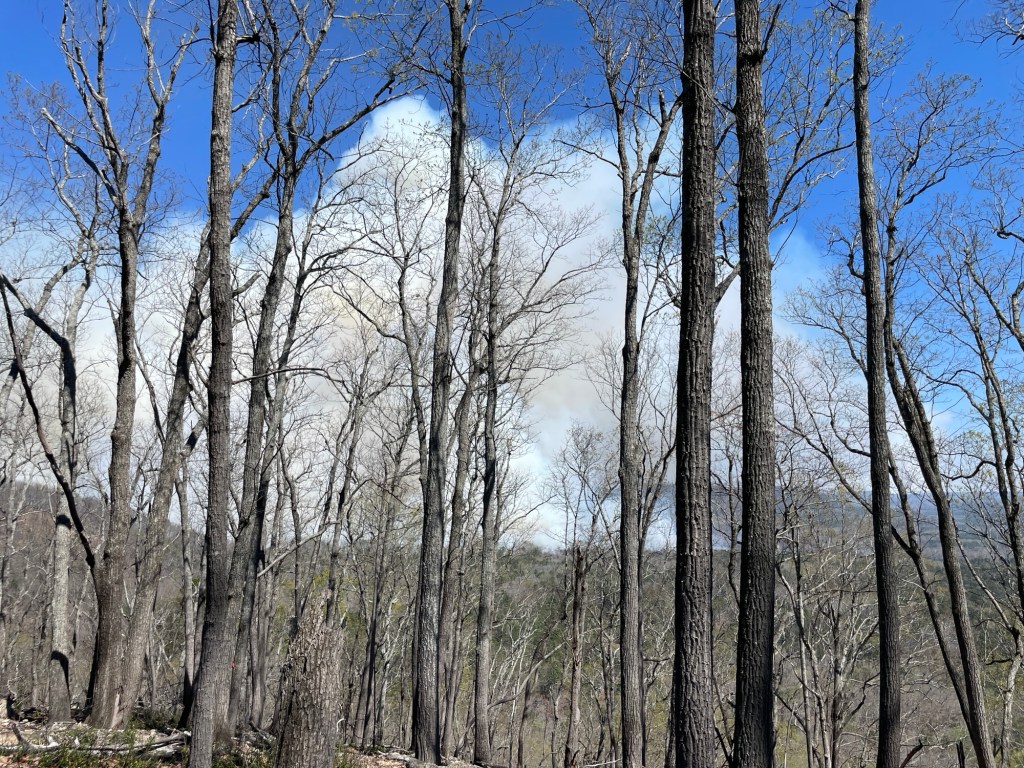
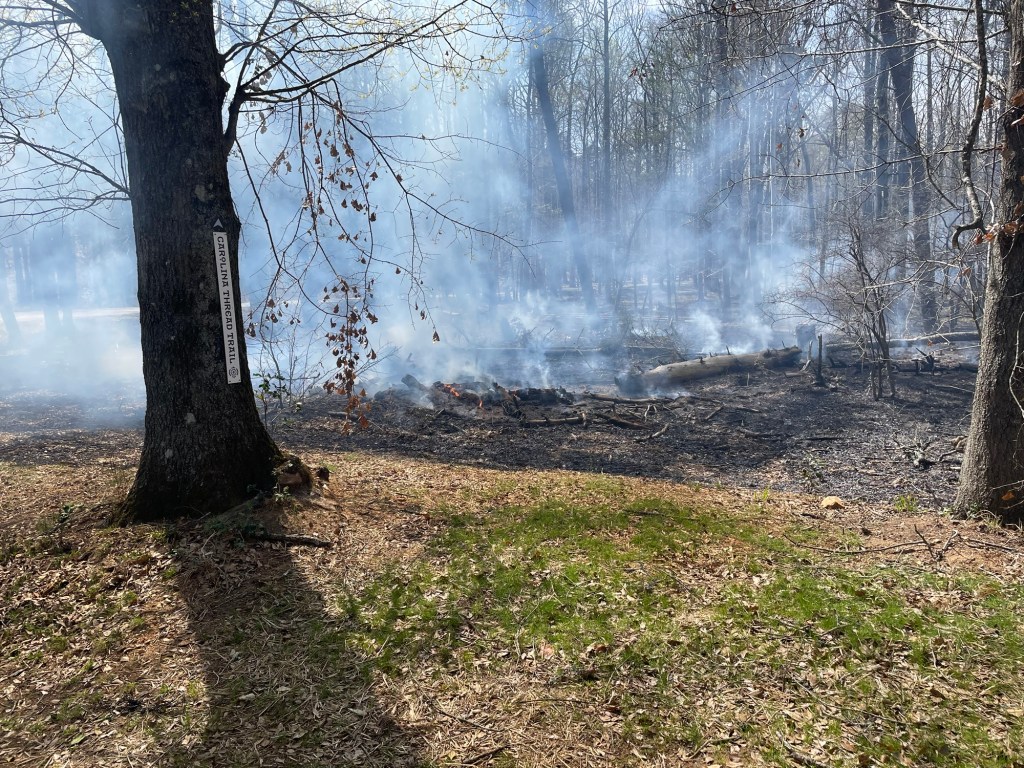
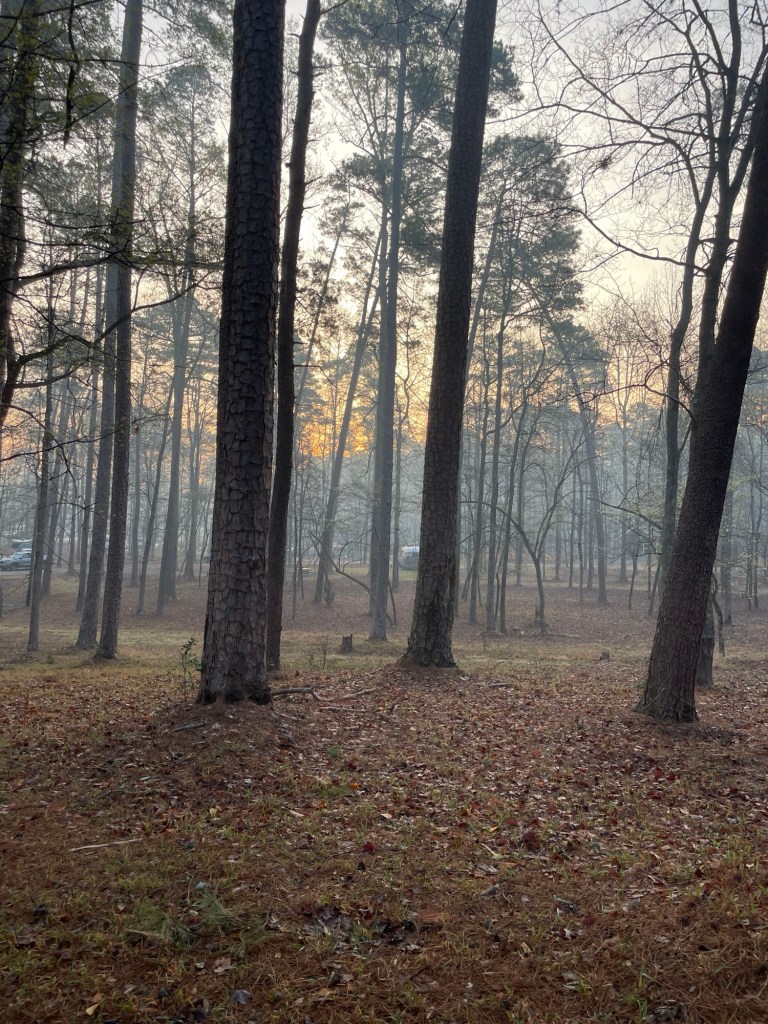
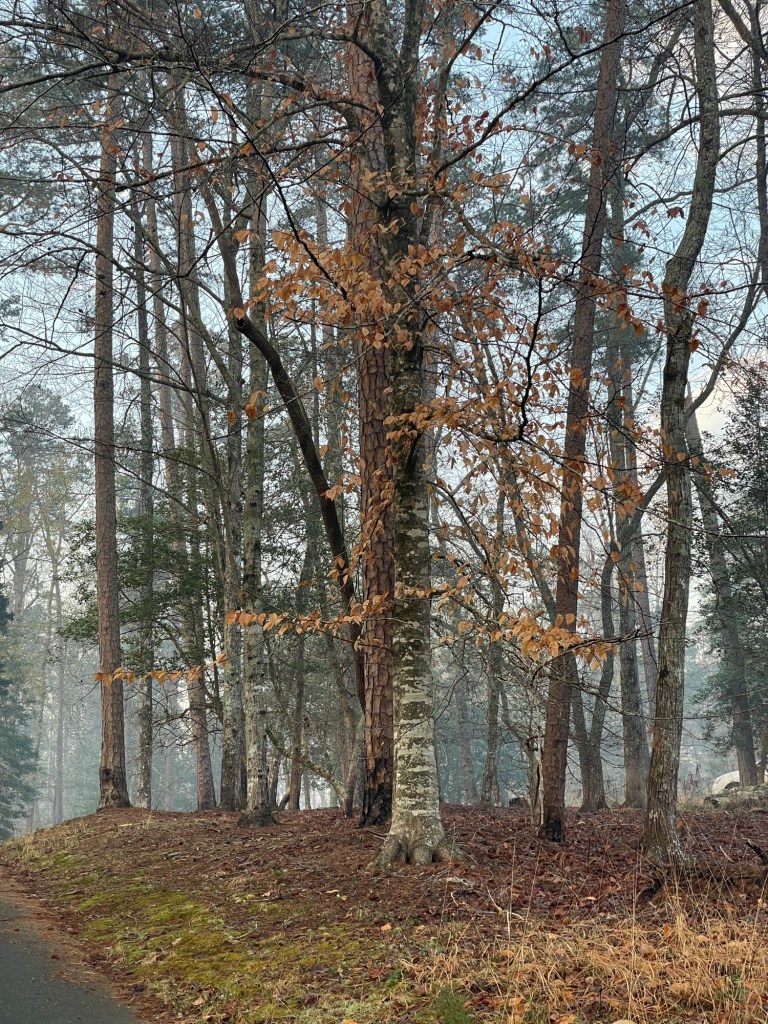
We heard that there was going to be a prescribed burn in the park, so we hiked the Sugarloaf Mountain Trail to get a better look at it. While up there, we realized that there was not one, but two local burns going on: the Falls Mountain trail area within the state park and another in the Uwharrie National Forest across the Pee Dee River. (And yes, that’s the same river that the city of Cheraw, South Carolina is on.) Morrow Mountain State Park sits right at the junction of the Pee Dee, the Yadkin, and the Uwharrie Rivers.
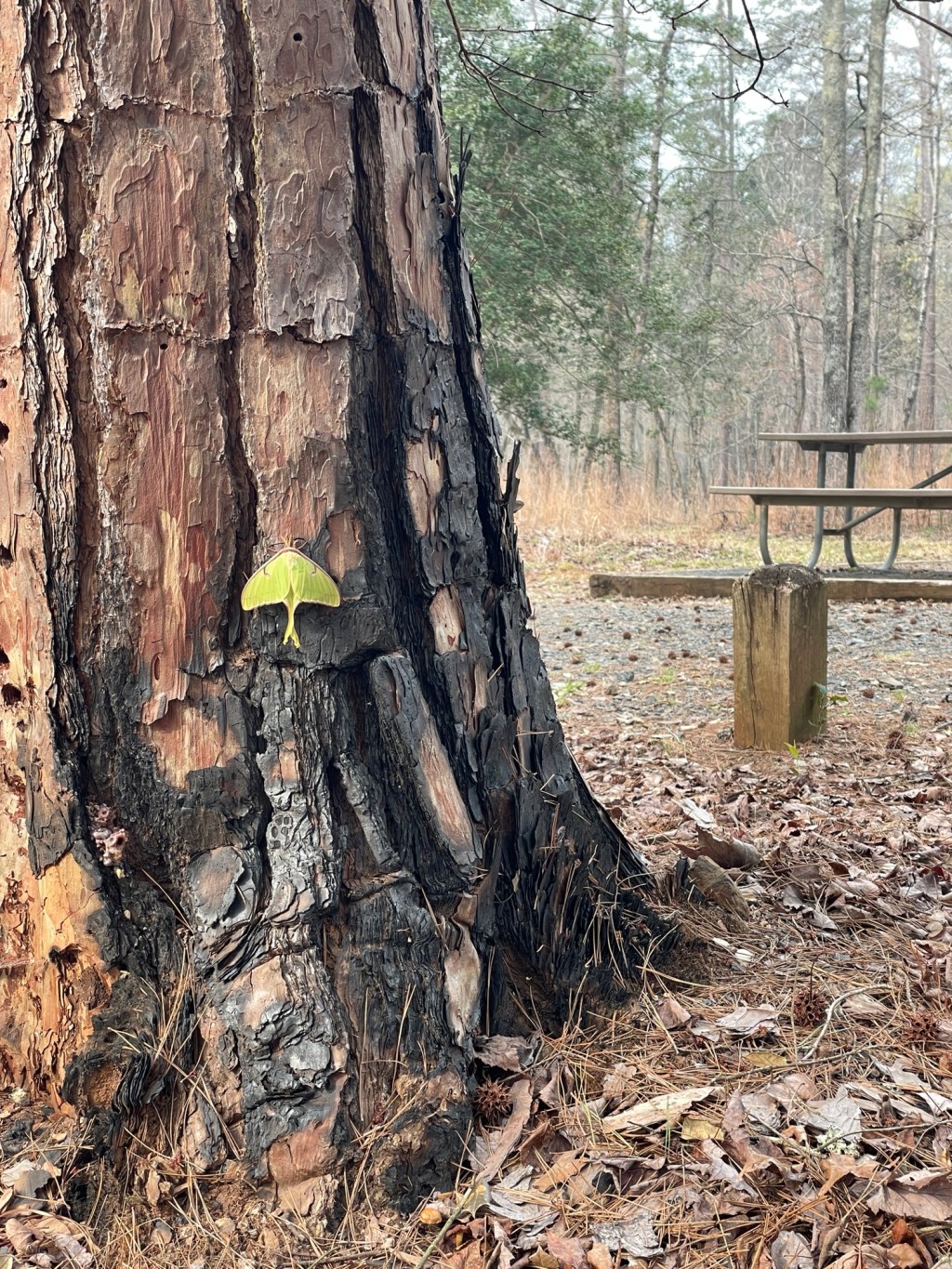
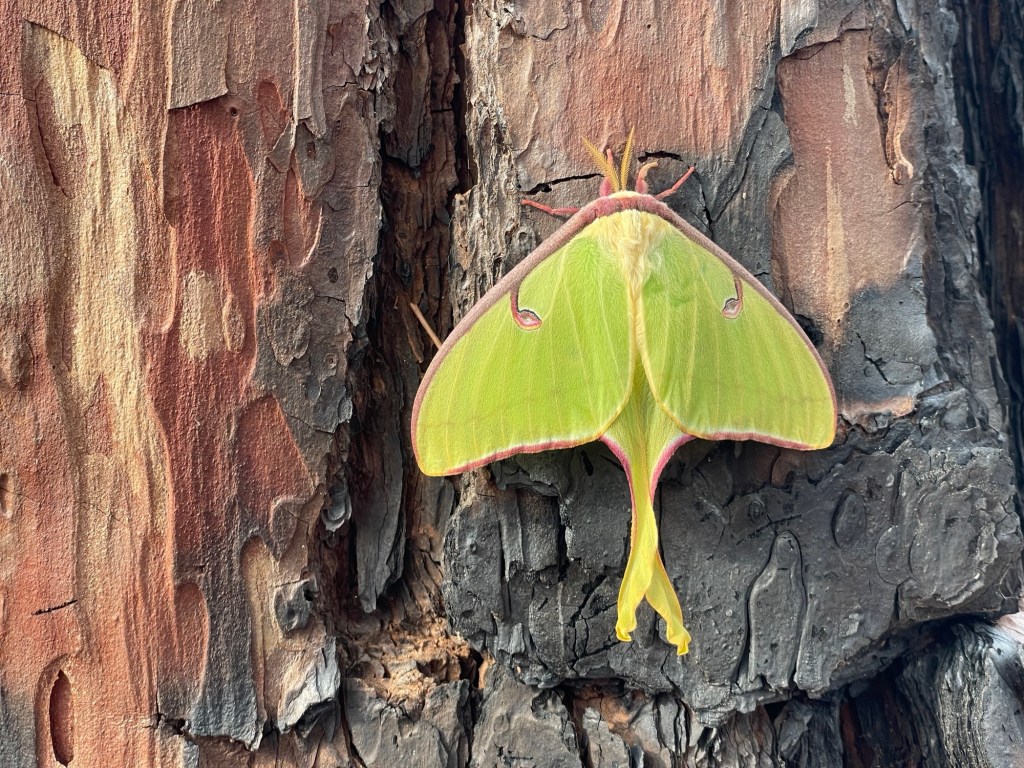
Walking back from the bathrooms, the most luxurious campground bathrooms I have ever seen, Jeff noticed our camp neighbors staring at and taking photos of a loblolly tree’s trunk. I didn’t think anything of it, because frankly this couple was, how can I say this, a bit insufferable. Well, he was. He was loud in a know-it-all way, constantly had music playing on a Bluetooth speaker, and seemed to be on his phone more often than he wasn’t. He also walked around in a sweatshirt that had Assholes Live Forever on the back of it. I don’t know, maybe he was trying for immortality? The only thing missing was one of those stupid Cyber Trucks for him to be the 2026 Tech Bro poster (man)child. Jeff thinks they were on a date or at least hadn’t been together very long. If so, all I can think is, ‘Woman, runnnnnn.’
Tl;dr I did not like him.

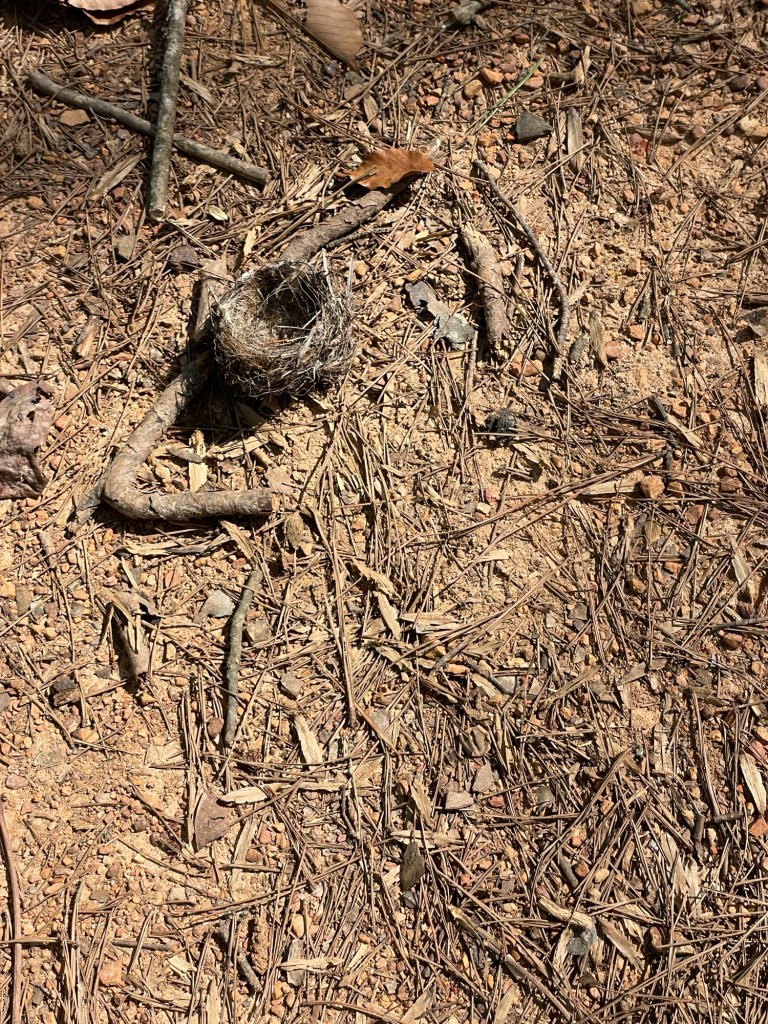
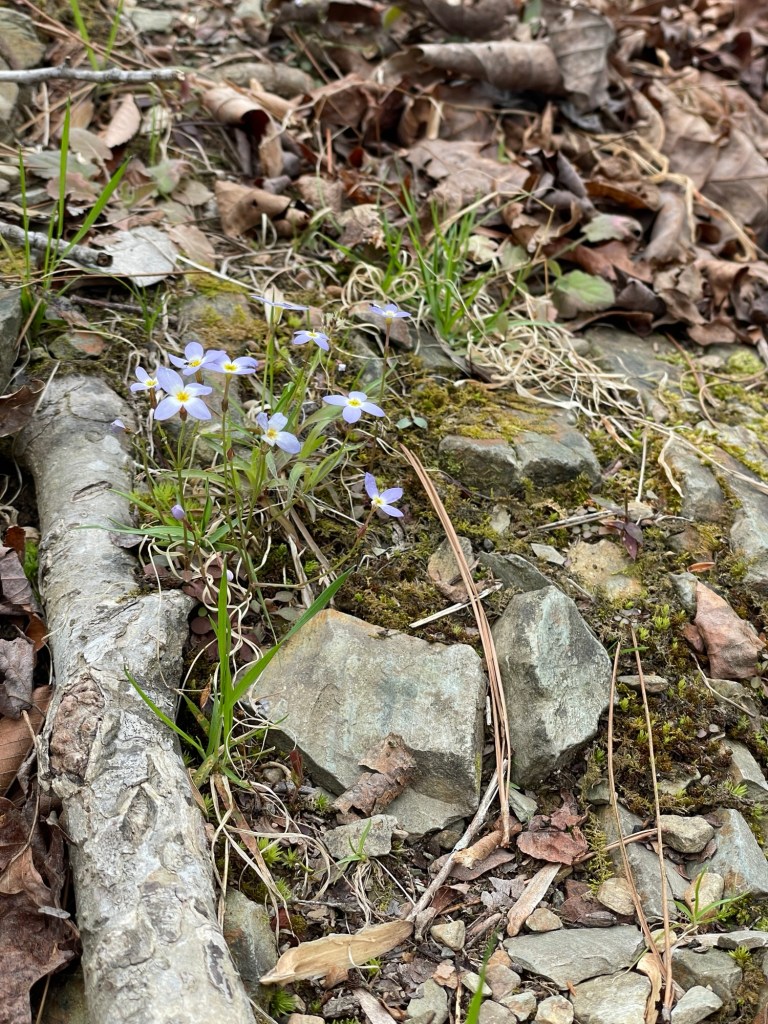

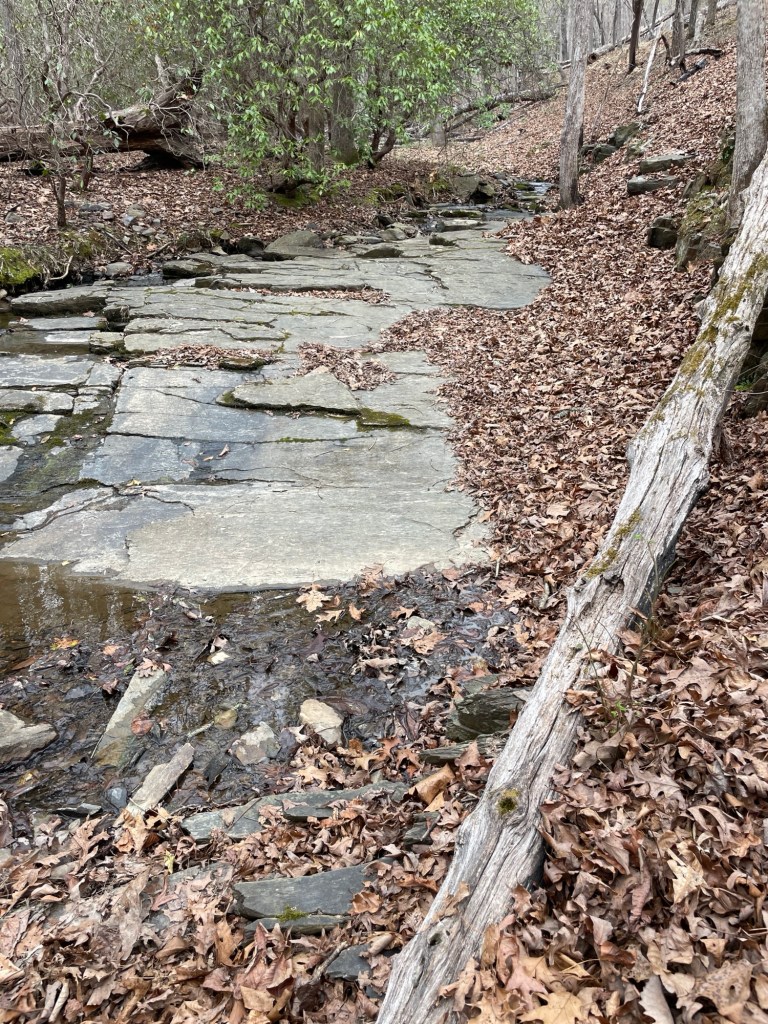
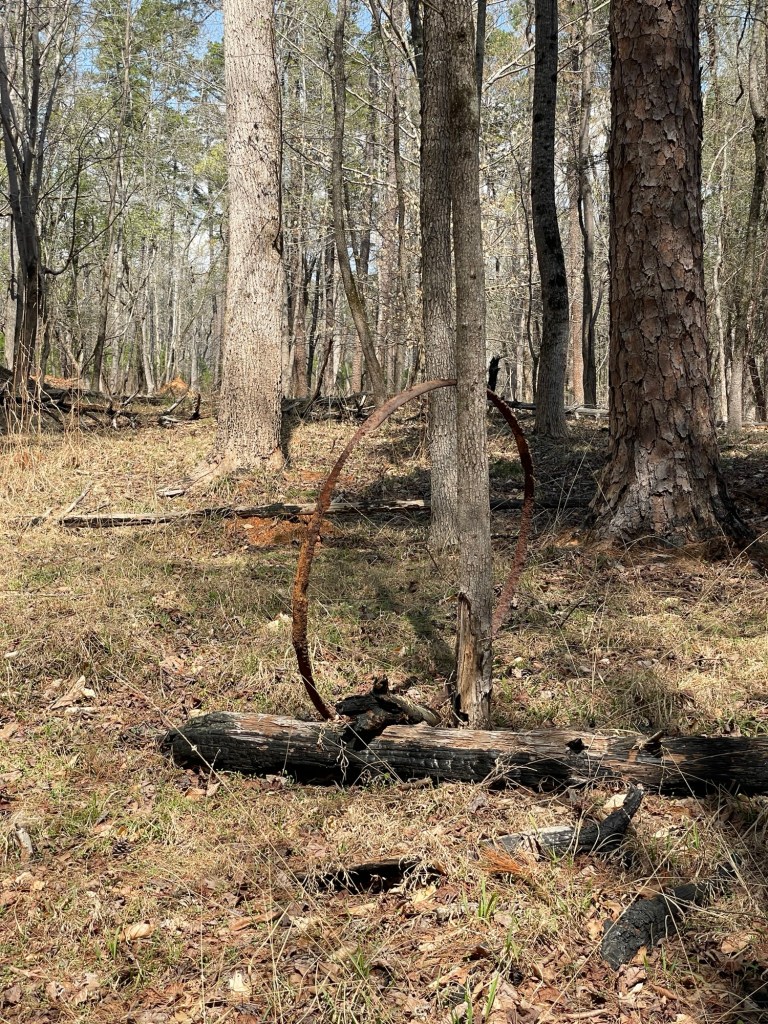
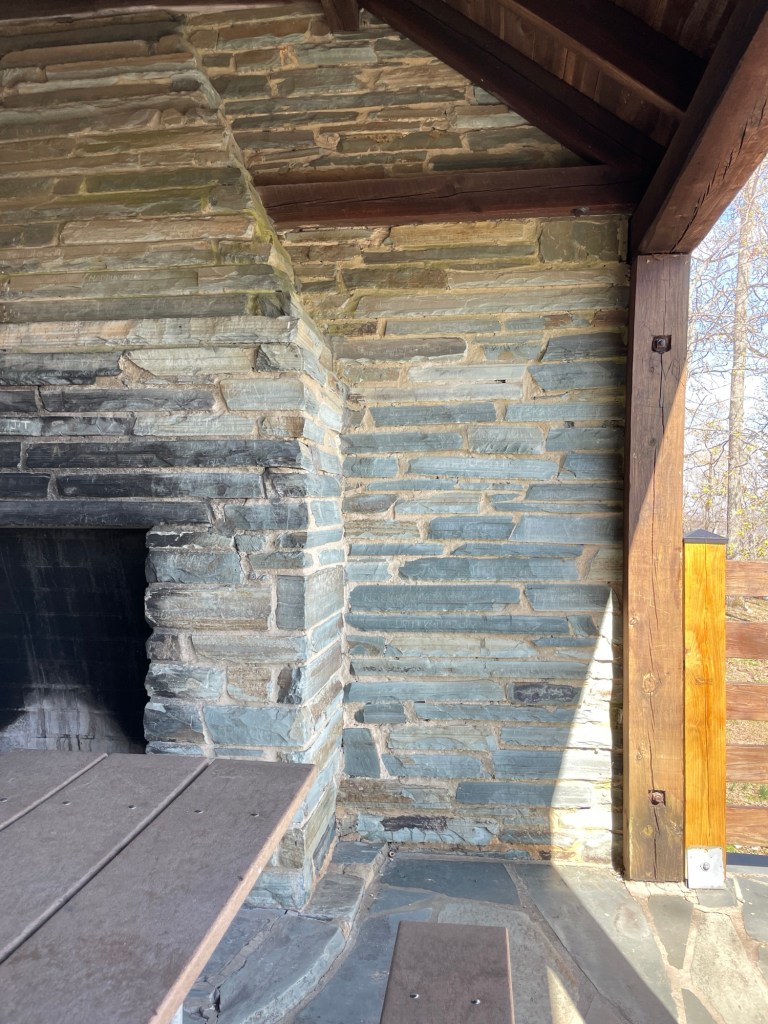
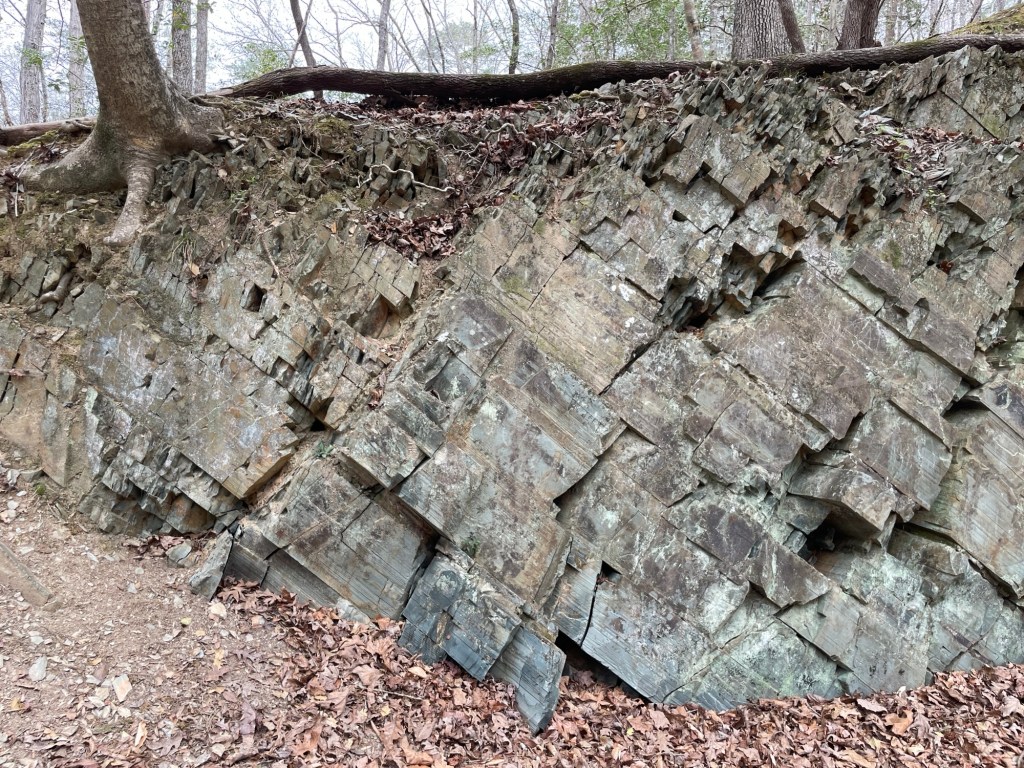
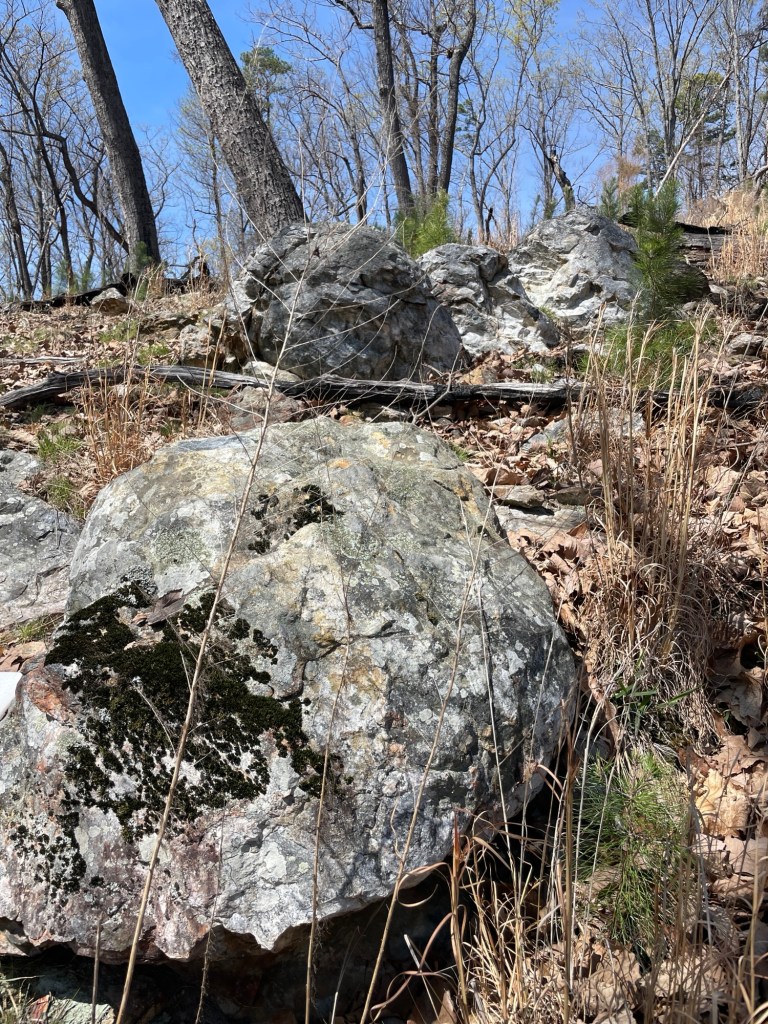
Morrow Mountain has an excellent concentration of metamorphic rhyodacite stone chips — the leftovers from making arrowheads, cutting tools, adzes, and other sharp and pointy things — from prehistoric quarries around the park’s hilltops. The products quarried were of such high quality that the local indigenous population traded them up and down the Eastern United States. I spent a good part of our hikes looking for the telltale piles.
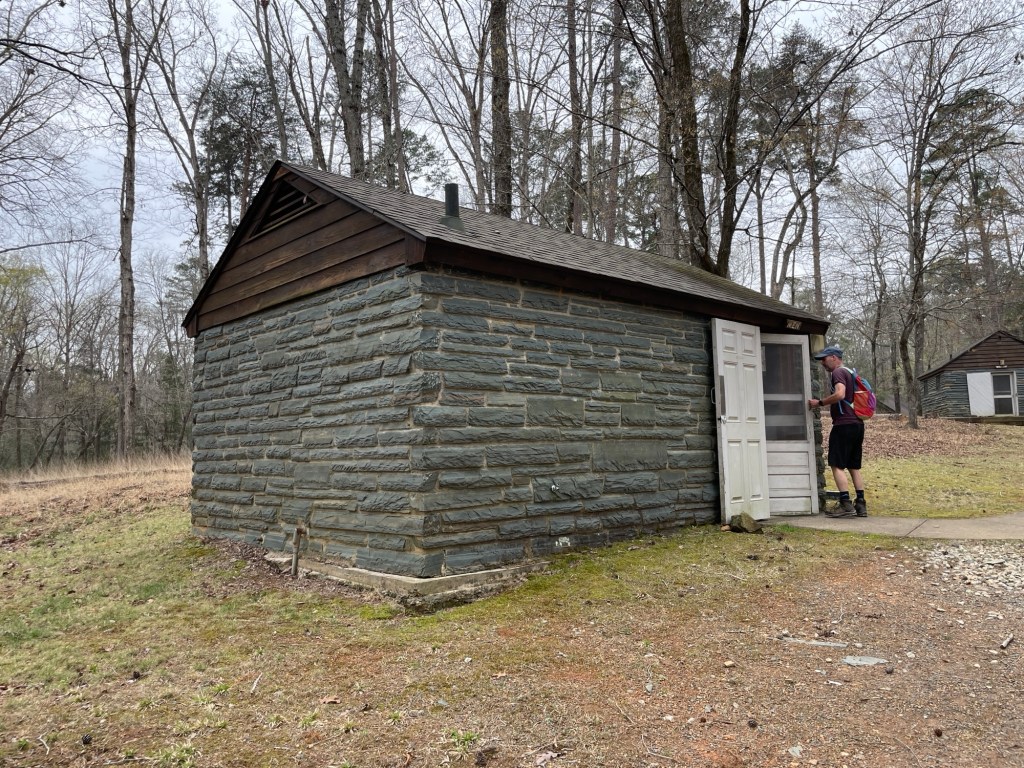
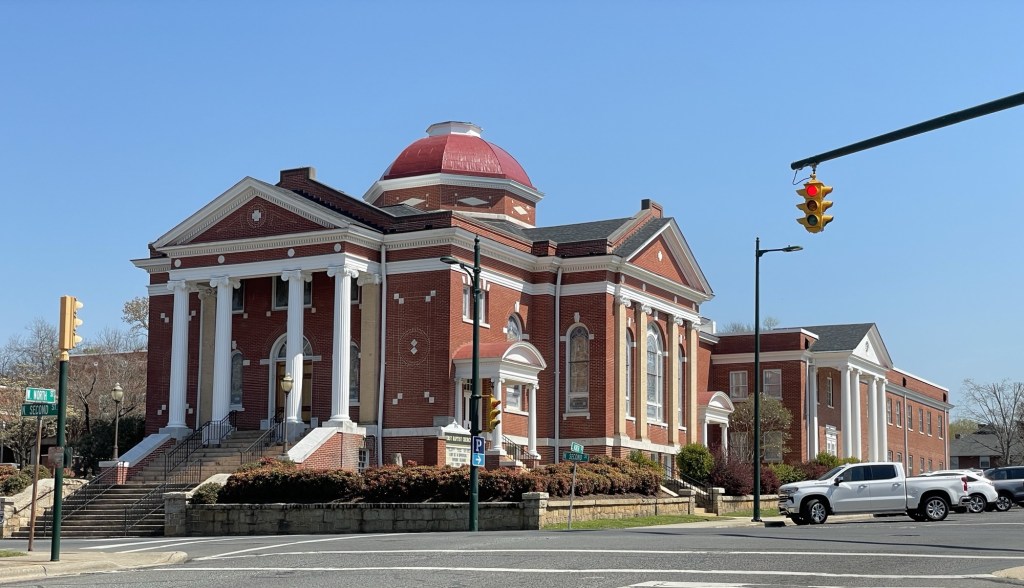
While we spent most of our week within the Park’s boundaries, we did wander out twice. One morning we ran some errands in the small towns of Albemarle and Badin. Walking around, we began to suspect that some architect had made a killing selling a “unique” church design (below) in the region.
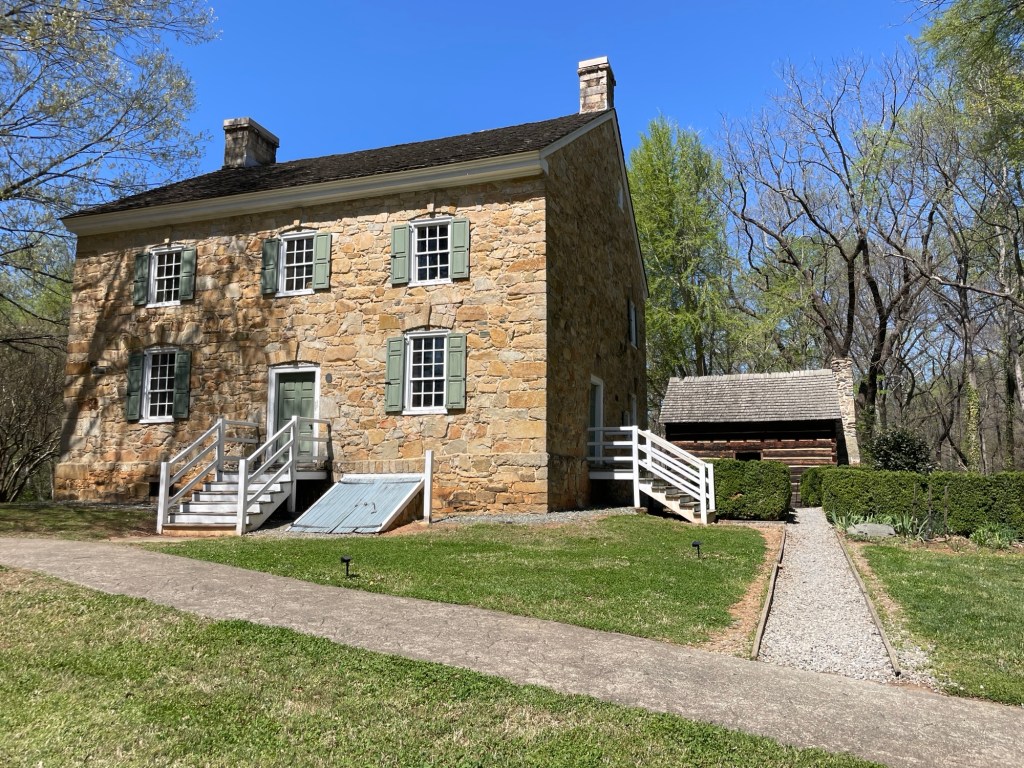
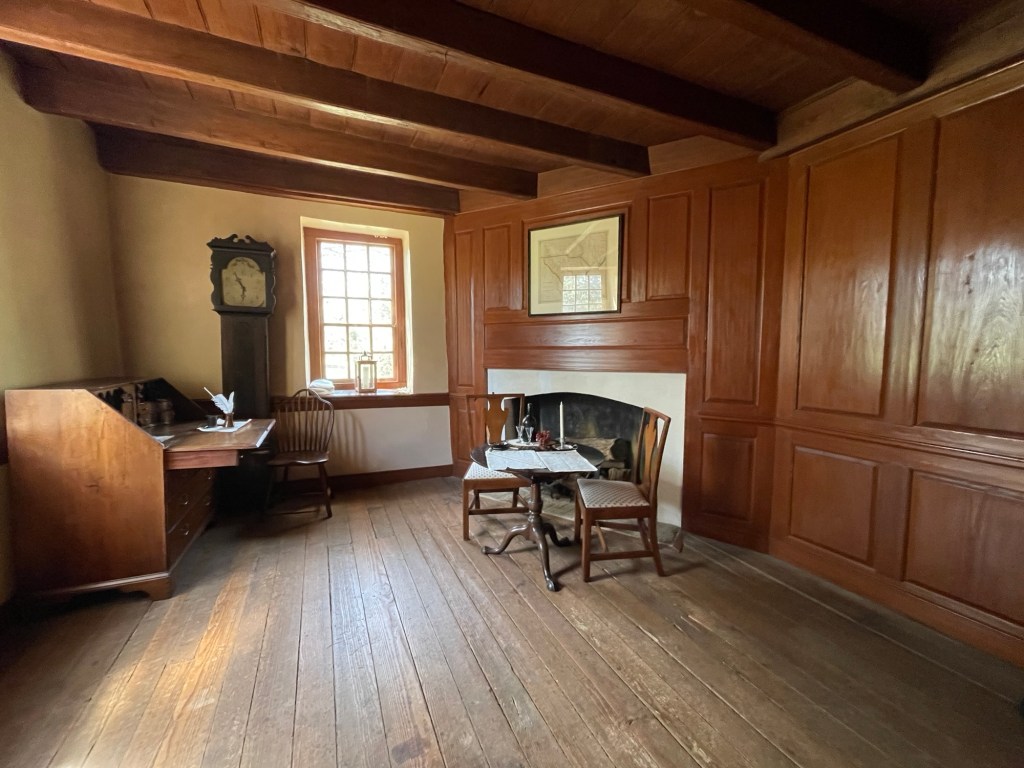
The other trip was to Charlotte to check out the colonial home of Hezekiah Alexander, finished in 1774. I find the symmetry of its Georgian design quite pleasing to the eye. Its two foot thick stone walls would have gone a long way to moderating the home’s interior temperature year-round. We were there on a fairly moderate spring day, so it didn’t really get put to the test while we toured it.
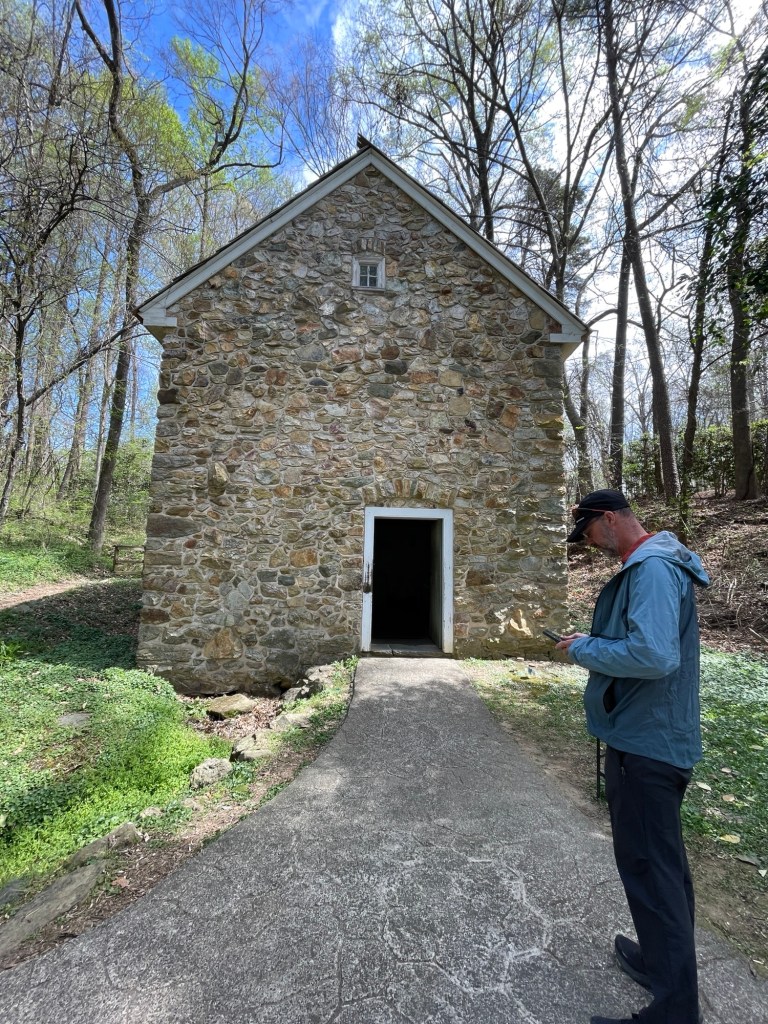
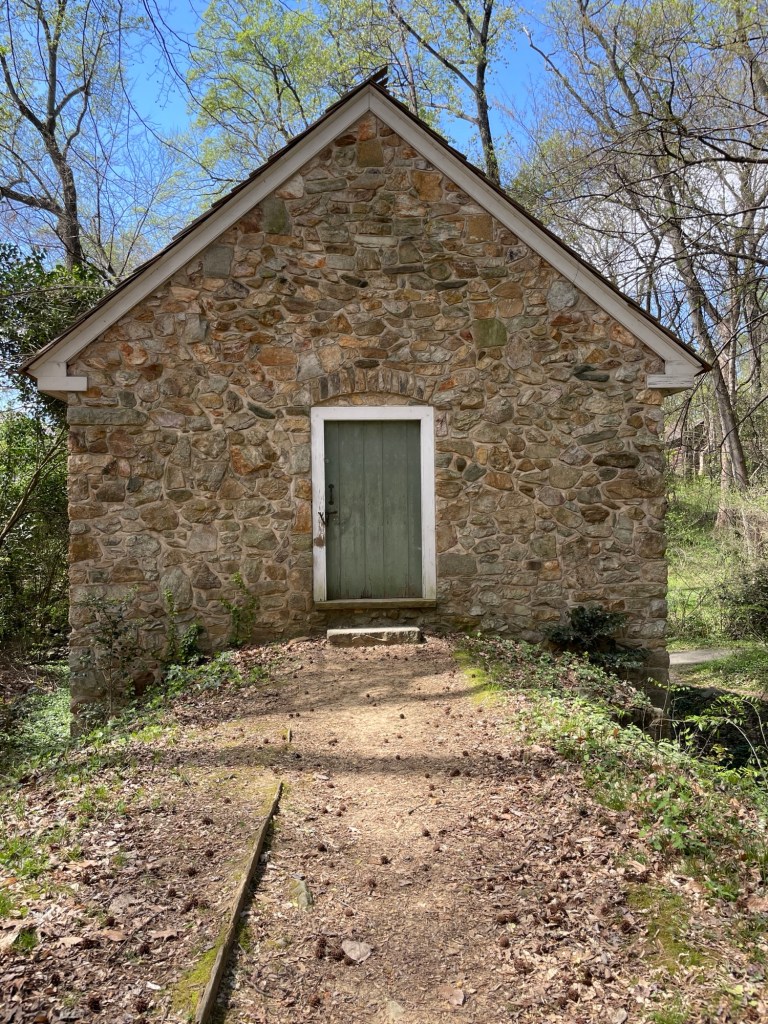
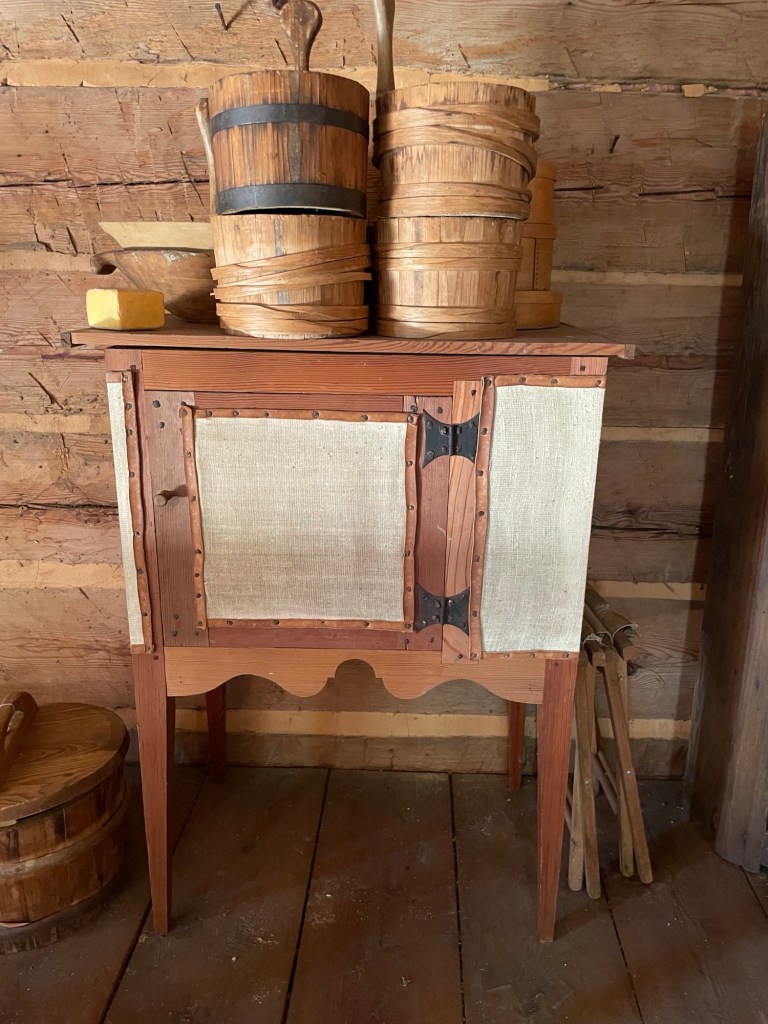
A two story spring house took advantage of the consistent temperature and fresh, clean water emerging from a natural spring. It’s known that it acted as a refrigerator for fresh milk, cheese, and produce on the lower level, while the upper level is less well documented. Seeing that it faces the old main road, there is some argument that the upper level probably acted as a farm office or store front.
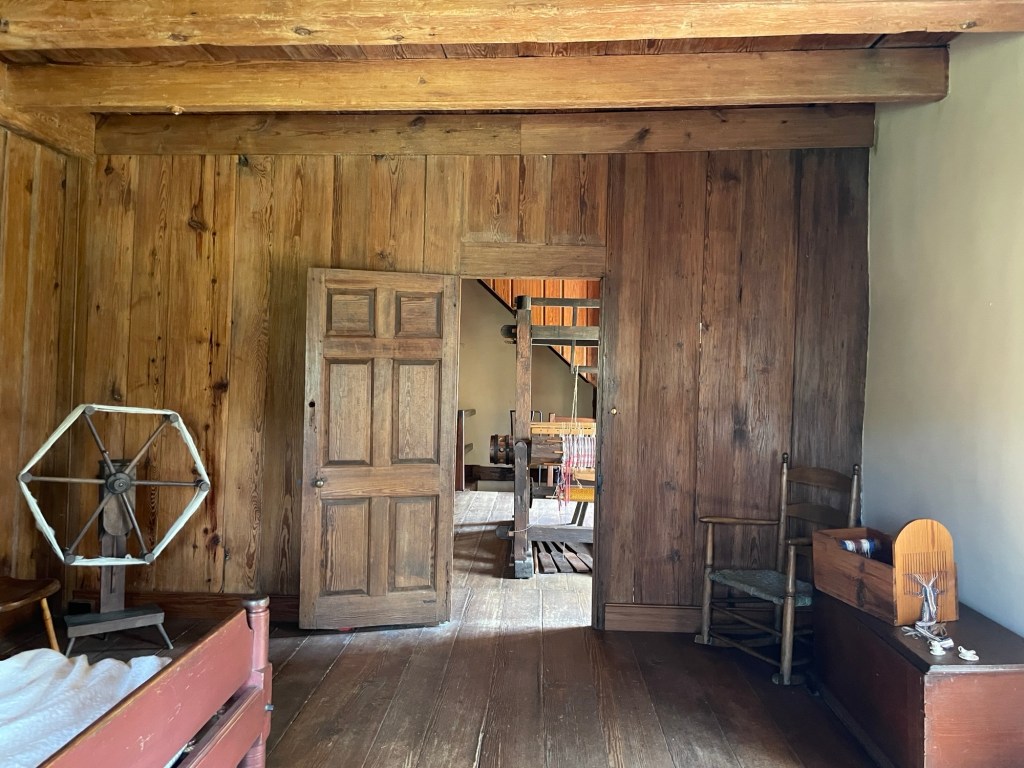
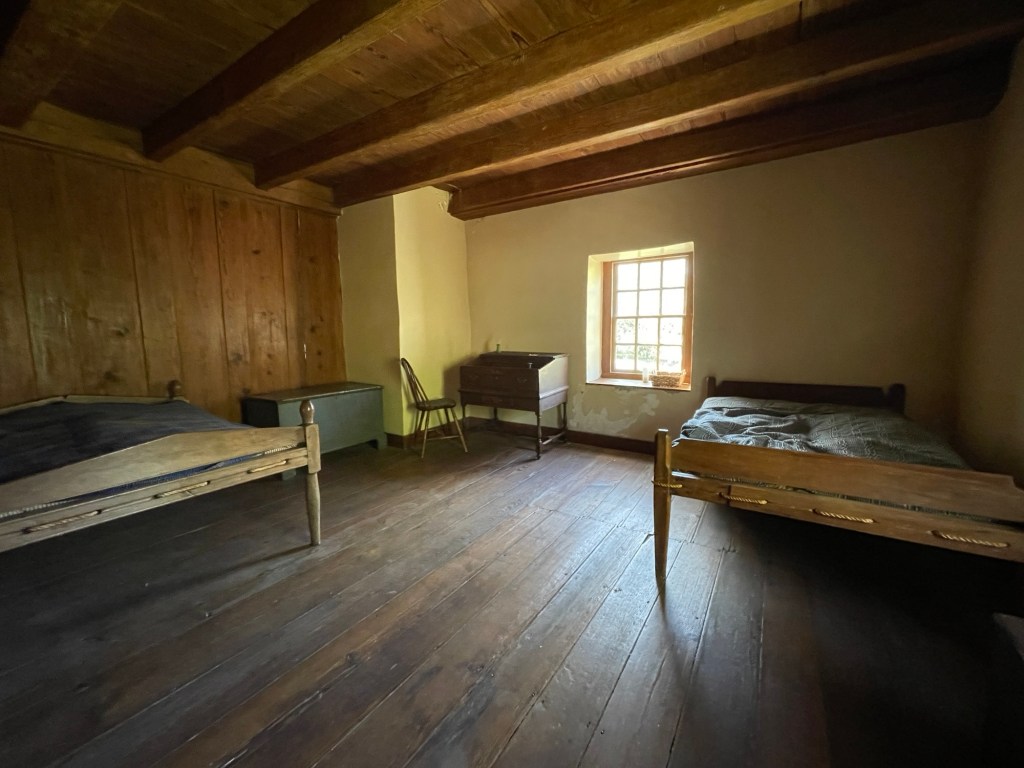
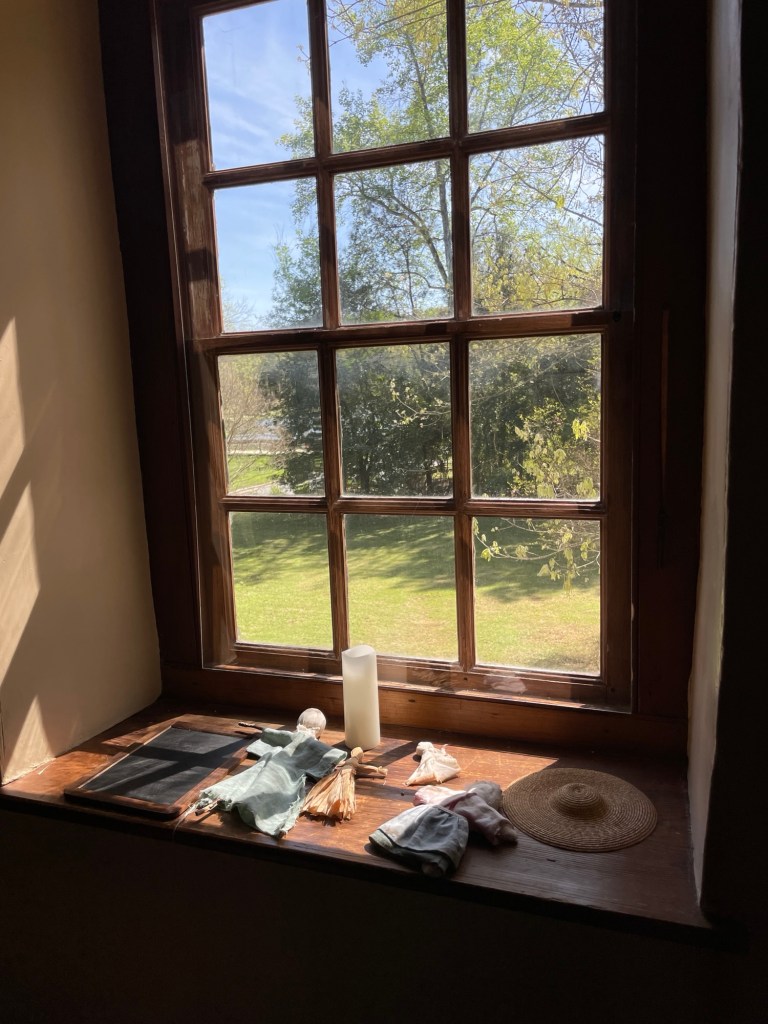
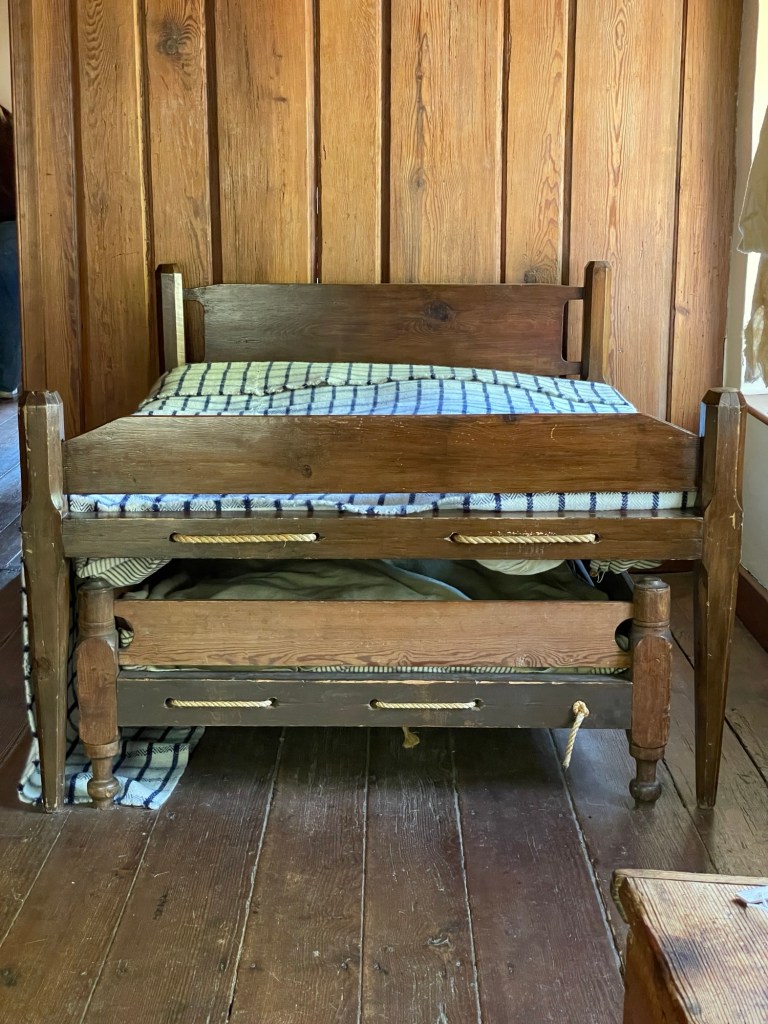
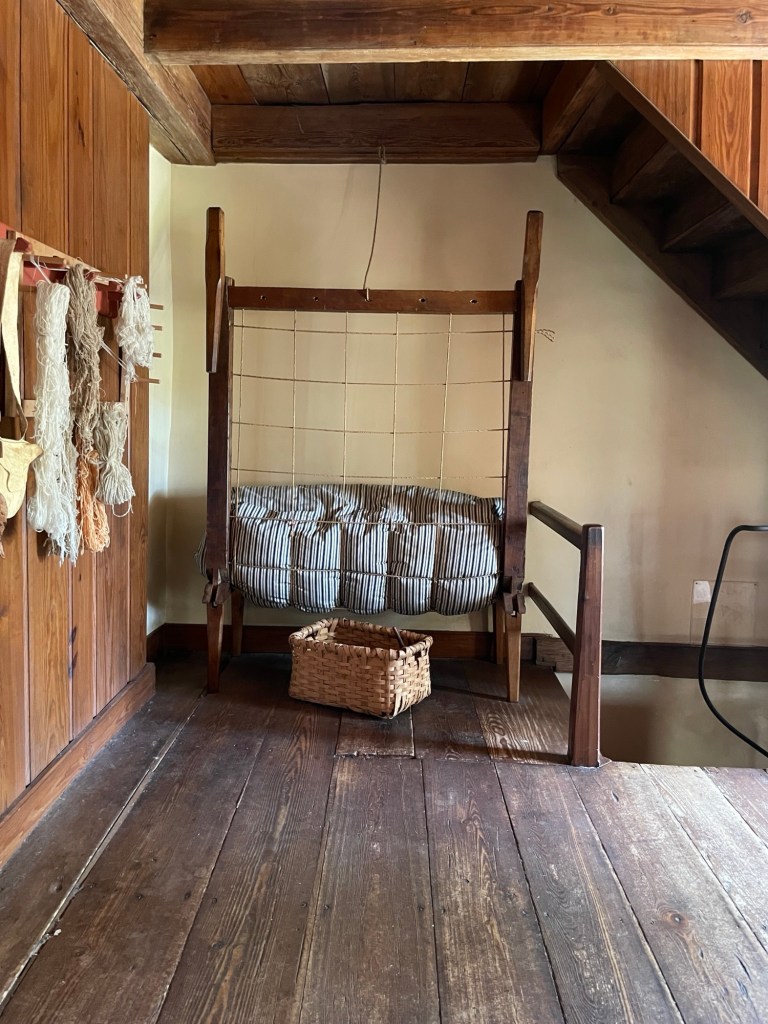
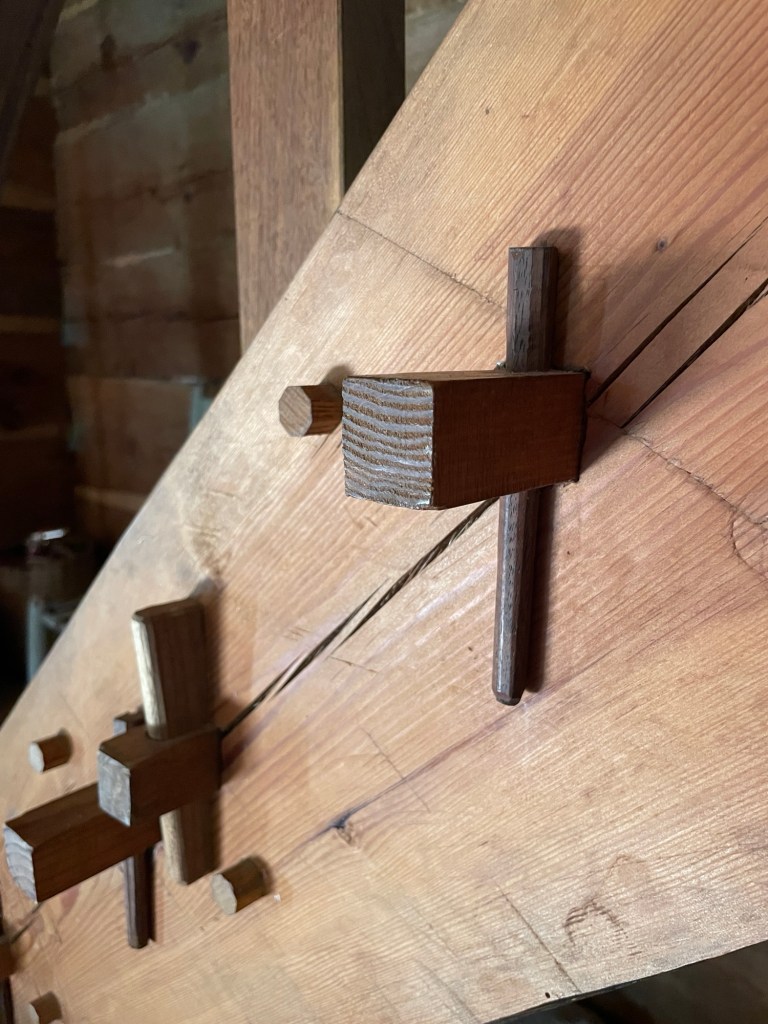
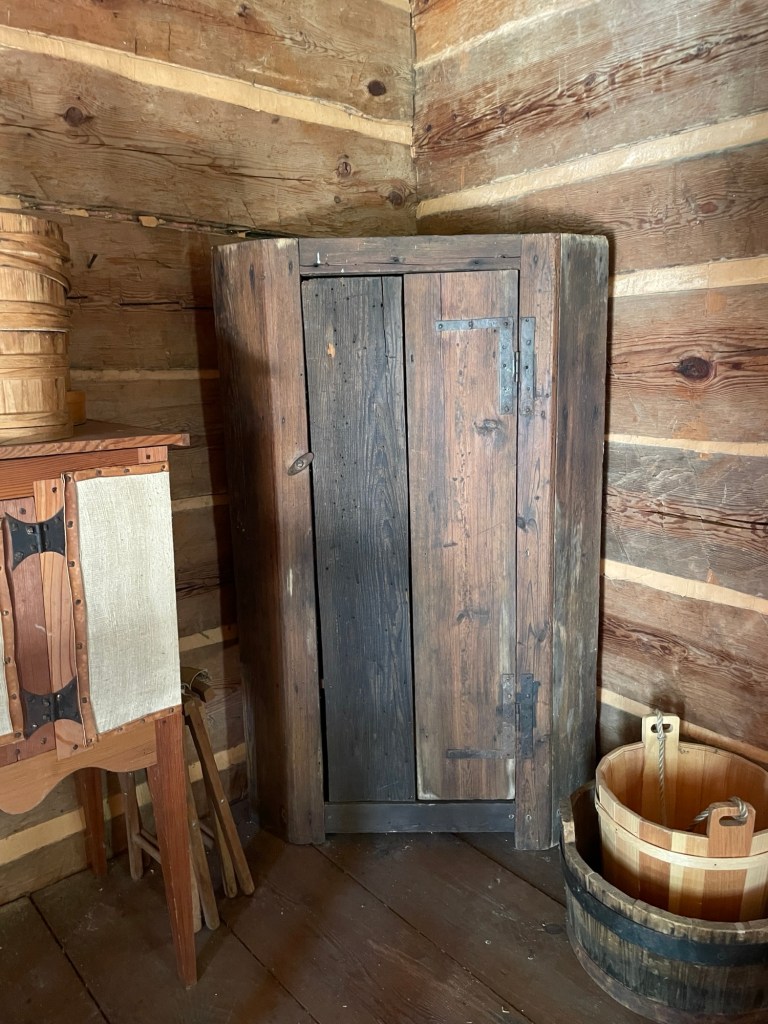
The home housed Mr & Mrs Alexander, their ten children (7 boys, 3 girls), and even a boarder from time to time. It has been restored to approximate some prints, descriptions, and drawings of the house from its Revolutionary days. Something I found quite surprising was that the interior walls were nothing more than a single, thin piece of wood. Fancy wood, to be sure. But privacy? In little more than name only.
On both floors, the house is divided into quarters, giving eight rooms total. There are two entrance/multi-purpose/storage rooms, a dining room, an office, and three bedrooms. There is also an attic and a basement that span the width and length of the house. This is a large house even today; but it was a true mansion in the 1700s. The house was considered so grand and ostentatious that it caused someone to write and publish a scathing poem about Mr Alexander’s assumed sense of self-importance. Harsh.
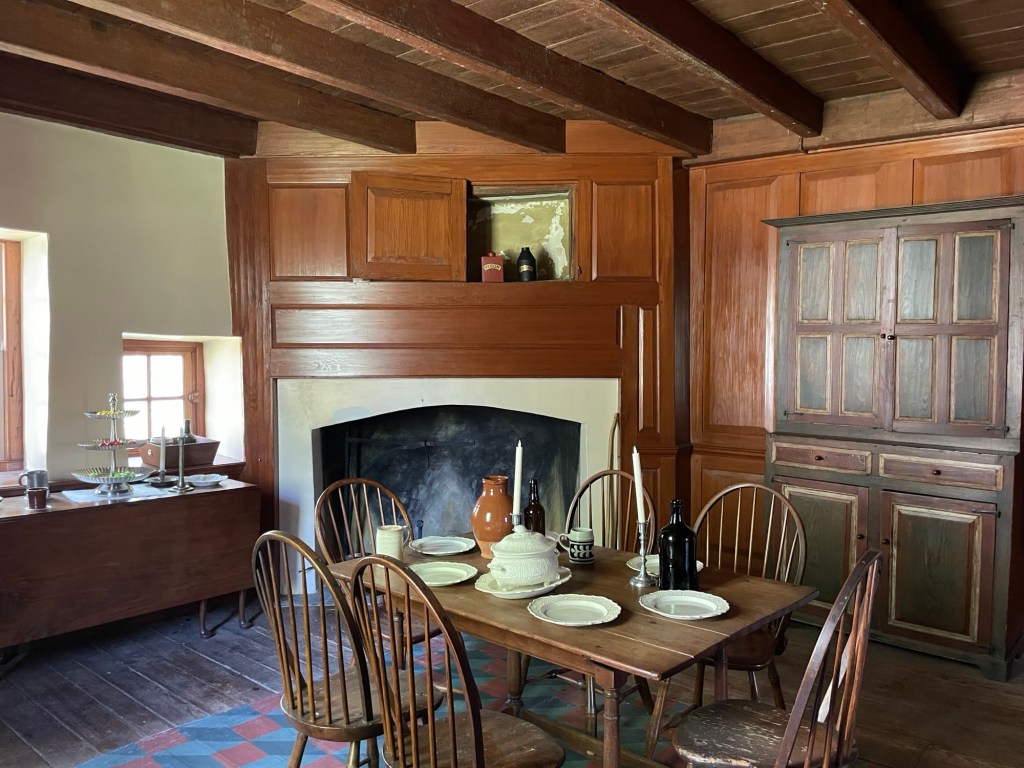
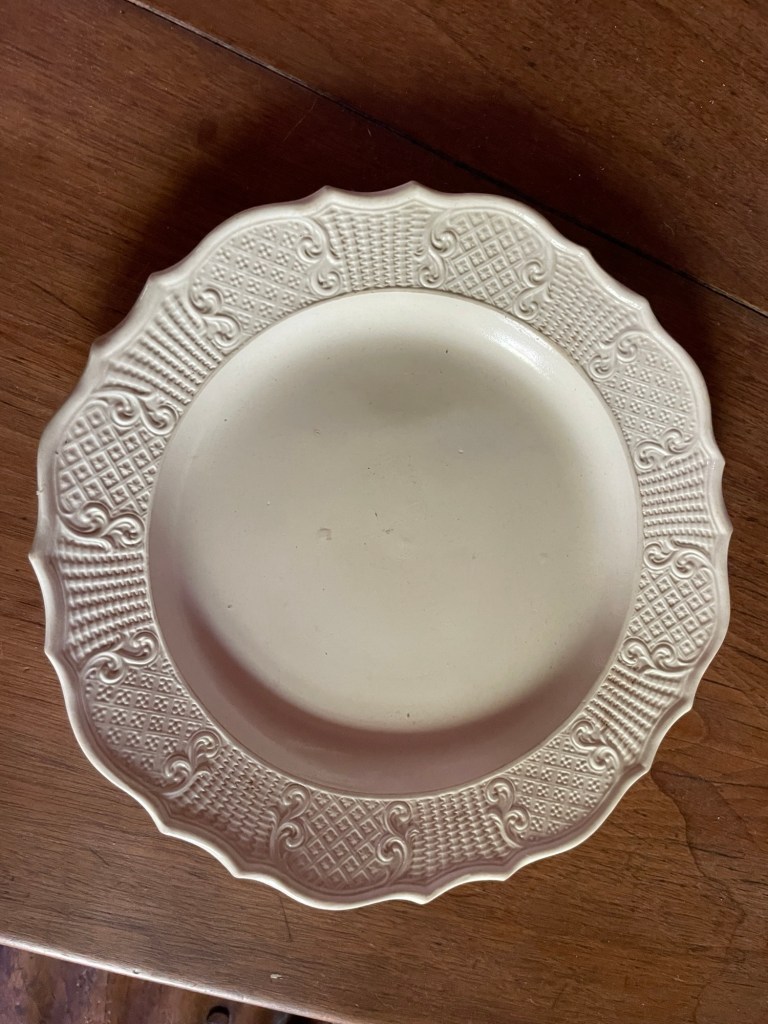
Way back during excavation of a midden pit, a small piece of pottery was found and set aside. Later, a museum staff member took it upon herself to hunt out the pattern and place it within the timeline of the home. What she found was rather interesting. It’s an American made pattern created during the pre-revolutionary period in response to England’s trade and shipping laws. Self-described Patriot women discarded their British made ceramics in favor of American made sets to show their support for Independence. Eventually the museum was able to locate and purchase enough pieces to create a complete table setting for the museum home. It makes me wonder how many small archeological findings are sitting in storage right now, just waiting for the right person to put them into context.
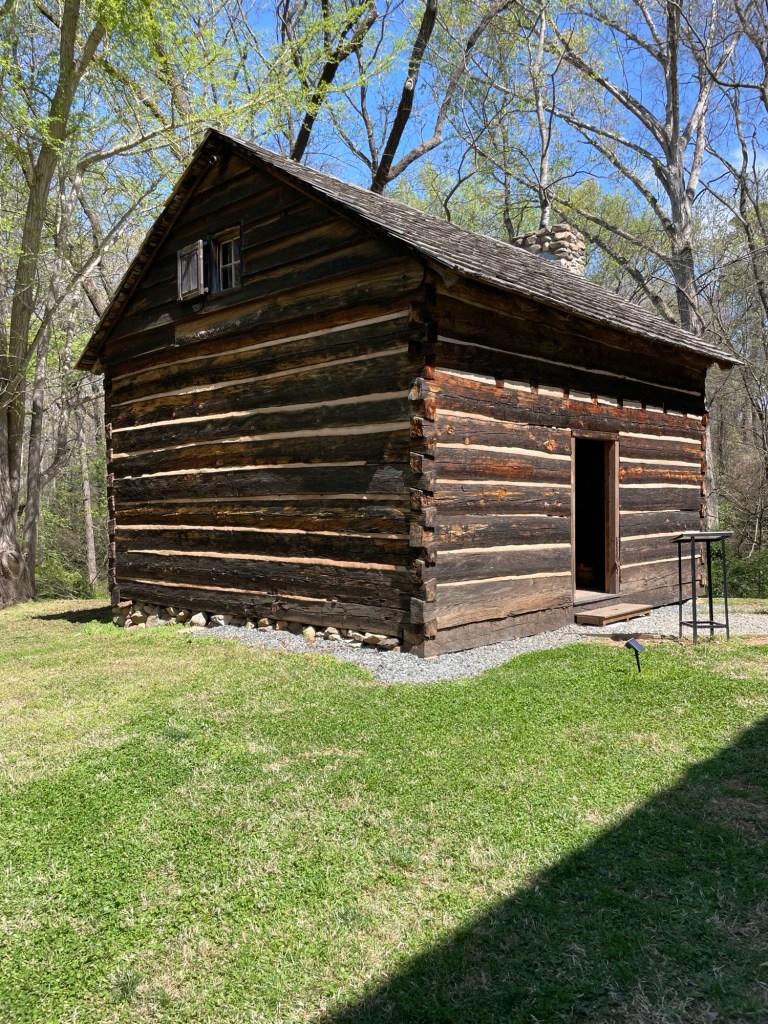
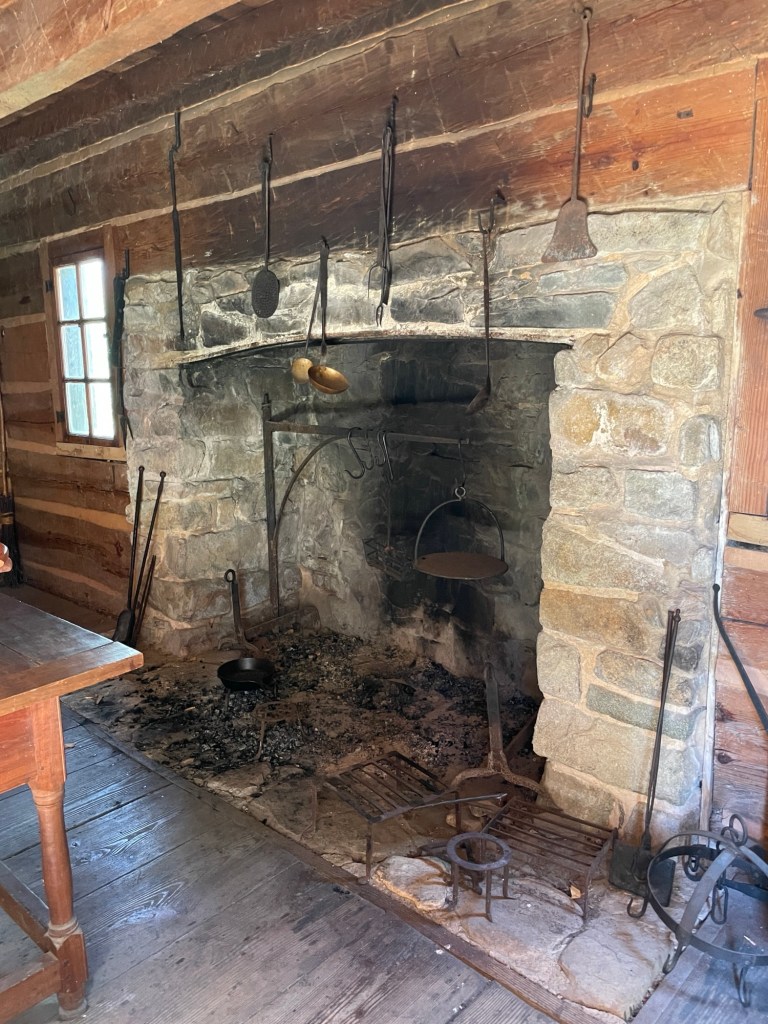
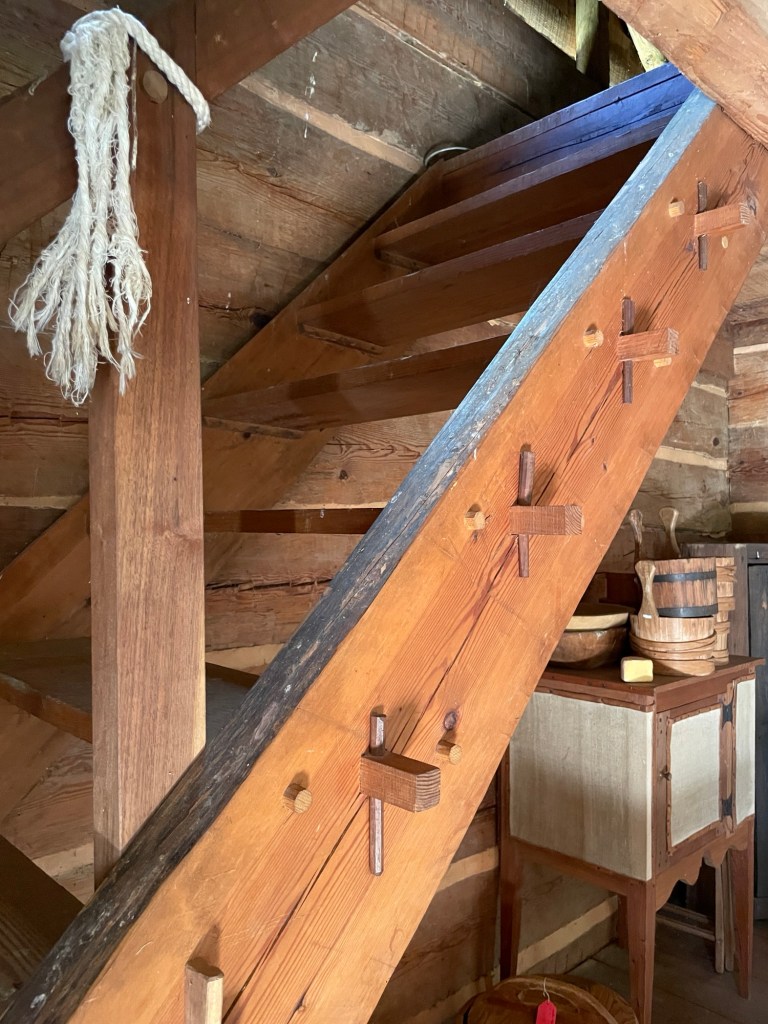
The kitchen- and garden-facing side of the house is the only non symmetrical wall. The staircase takes up the front half of the wall, but the back section (below) has this odd window combination. Can you guess what that little window was for?
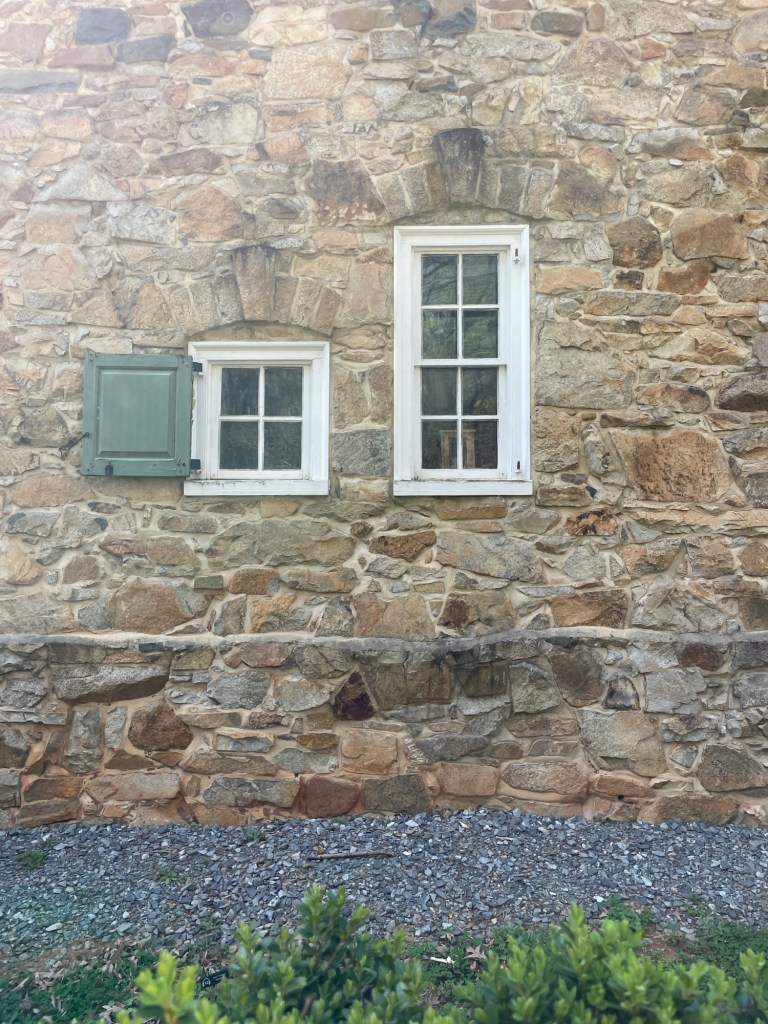
In a time without AC or efficient heating systems, opening the exterior door into the dining room meant things were going to get uncomfortable around the table pretty fast. As a workaround, this precursor to the drive through window let the cook quickly pass dishes to the person serving at table without changing the home’s temperature significantly. Clever, isn’t it?
On our way to the campground near Raleigh, North Carolina, we decided to stop and see Guilford Courthouse National Military Park in Greensboro. It was the longer way, but worth the detour. Despite being a technical victory for the British as they controlled the battlefield when it was all said and done, Guilford Court House proved to be the turning point that ultimately led Cornwallis to disobey orders and leave the Southern Campaign. As the Americans melted back into the countryside, his troops spent a bit of time recovering before heading back north into Virginia. Eventually this led to Cornwallis surrendering to General Washington at Yorktown, effectively ending the war.
In a mixed forest and fields environment, General Nathanial Greene had set two forward lines of local militia with a rear line of battle hardened colonial soldiers against the British force advancing on the main road. At the end of the day, Greene’s troops had reduced Cornwallis’ fighting force by a quarter, while sustaining less than a 10% loss itself. If I remember correctly, the final battle scene in The Patriot portrays The Swamp Fox’s (Francis Marion’s) militia as part of the first line, but don’t quote me on that.
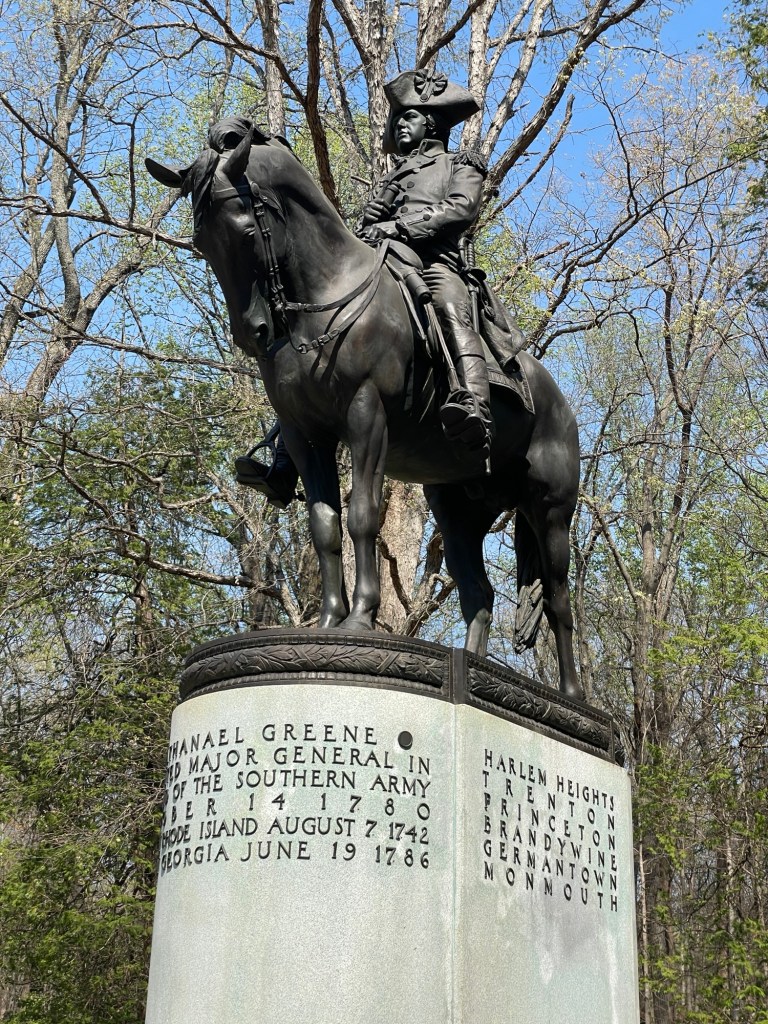
“We fight, get beaten, rise, and fight again.”
Although on paper Greene lost all his battles, he proved to be a confirmed thorn in the side, and General Cornwallis understood Green’s brilliance, stating, “Greene is as dangerous as Washington. I never feel secure when encamped in his neighbourhood.”


Leave a reply to HMS Beangle Cancel reply