Now you might think those two names don’t go together. And I’d have to agree with you. For better or for worse, Henry Ford was Detroit, and Detroit was Henry Ford. But Henry Ford and Georgia? Just saying that out loud is going to get you some serious side eye.
While we were visiting Savannah, we stayed at Fort McAllister State Park, which sits right across the Ogeechee River in Richmond Hill. Now here’s where that unlikely pairing comes in. Richmond Hill exists because Henry Ford purchased massive amounts of land south of Savannah and made the area both his winter home and a manufacturing town for the Ford Motor Company in the mid-1930s.
Soon after that, Ford became interested in restoring the ruins of Fort McAllister, the best preserved earthen fort of the Civil War, as it lay on some of the land that he’d bought.
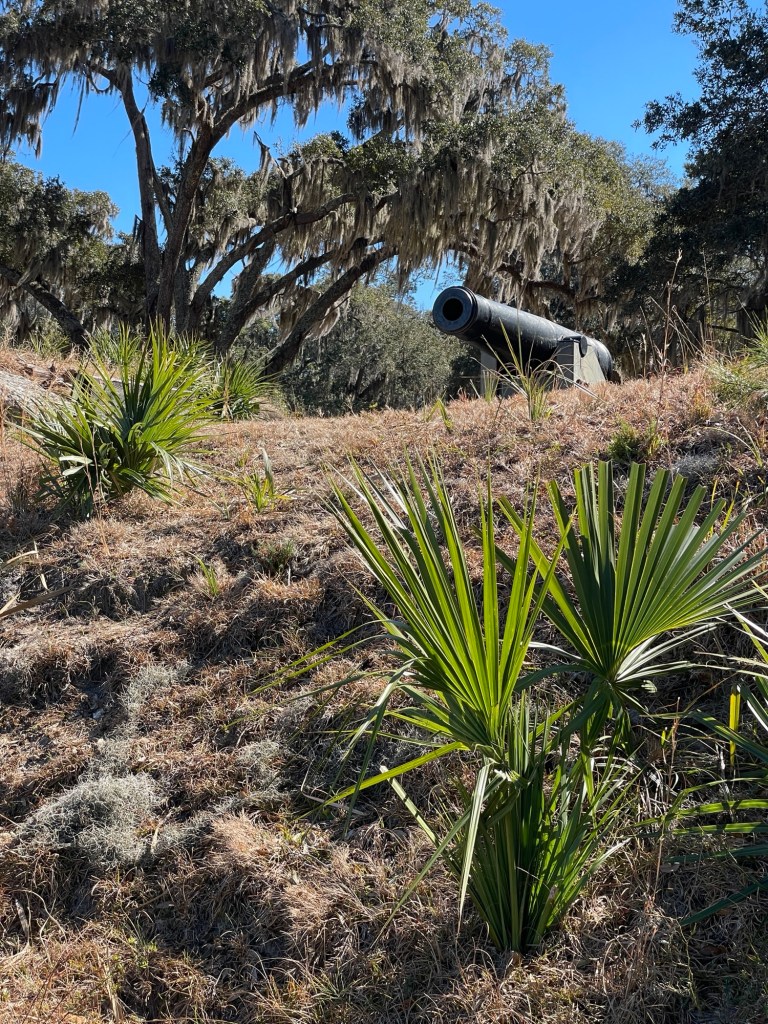
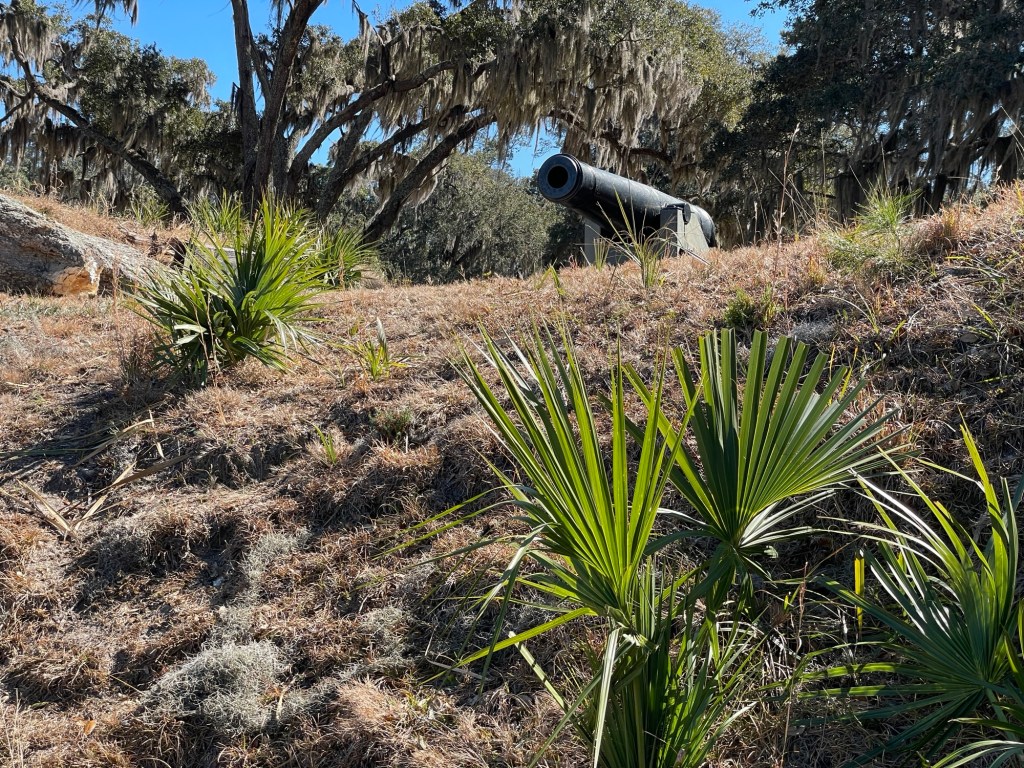
Quickly built in 1861, the earthen walls of Fort McAllister repeatedly absorbed bombardment by the pride of the Union navy, their new and much feared Ironclad Monitors. Eventually, the navy gave up trying to shatter Fort McAllister’s walls and sought out other targets. Not until General Sherman’s forces arrived in December of 1864, when only a skeleton crew of the very young and the very old were left to defend it, did Fort McAllister fall (to an infantry attack that only lasted 15 minutes). In the end, it was the last fort defending Savannah. Not bad for some dirt walls.
For approximately 80 years, the fort sat quietly along the Georgian coast, increasingly forgotten. Trees grew on and around the fort’s walls. Palms and sea grasses took root in the boggy plains. The bombproofs, powder magazines, infirmary, kitchen, and sleeping quarters sat empty, holding their secrets within while their doors rotted away. The wooden pikes that lined the moat broke, disintegrated, or fell down and got covered by soil and time.
Indeed, it was the fort’s forgotten status that protected it so well. Fort McAlliater is now owned by the Georgia State Park system and they do a good job of keeping its history alive, making it accessible to visitors, and telling the story of the fort in a small but information-deep visitor center. A few people online have groused about having to pay the small extra fee if they’ve paid to camp in the park, but the truth is that maintaining historical structures and funding ongoing archaeological efforts cost money. You can’t do it on vibes and internet exposure.
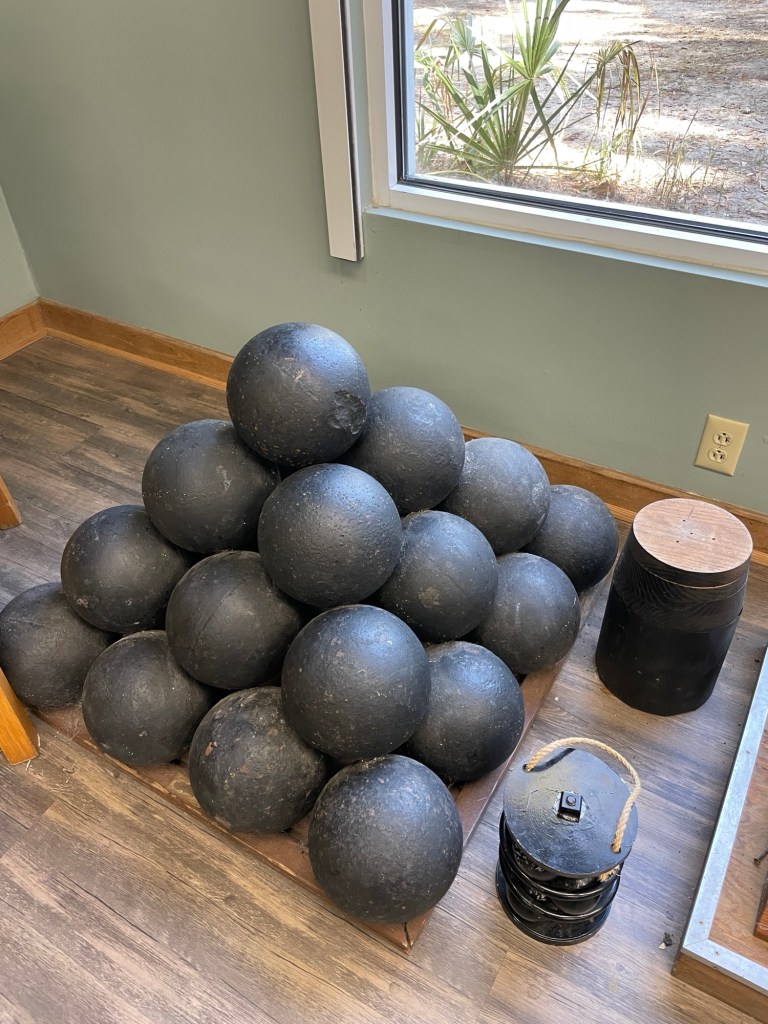
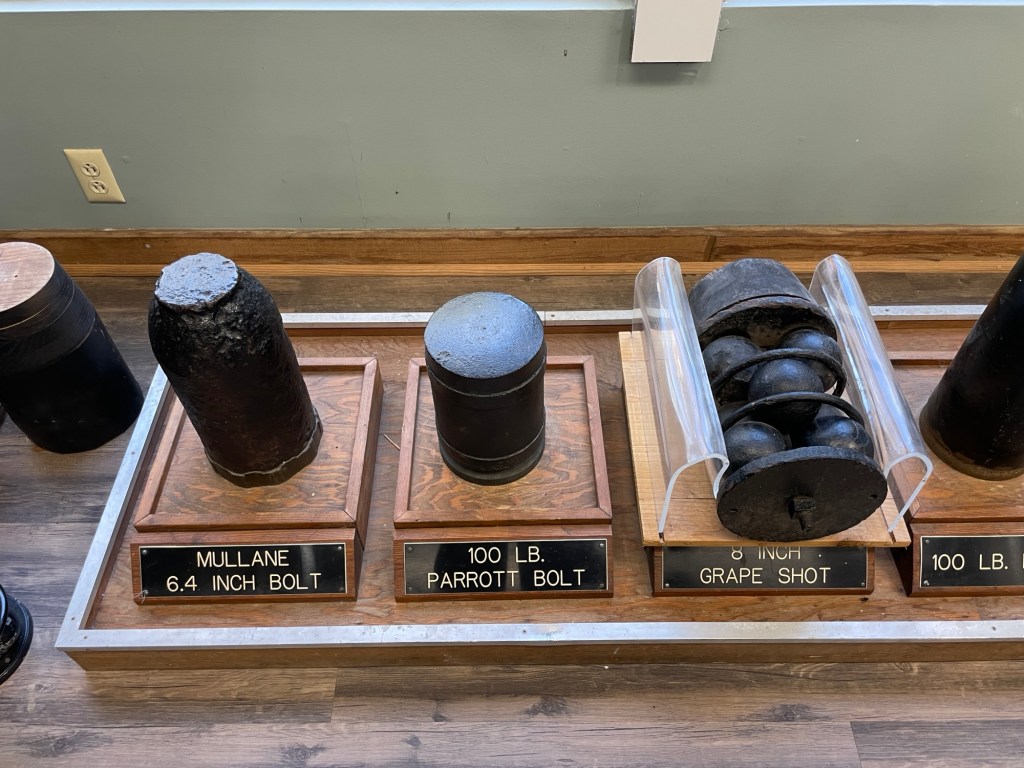
I wish that I’d been able to visit the fort’s armory room before reading about Civil War battles, because they have a good exhibit about the different types and sizes of shot for mortars, howitzers, and cannon. Authors tend to assume that you know what they mean by 30 pound shot, bolt, grape, canister, etc. I did not. Sometimes I thought I knew what they meant, but learned that I hadn’t always understood correctly. Paid a little, learned a lot.
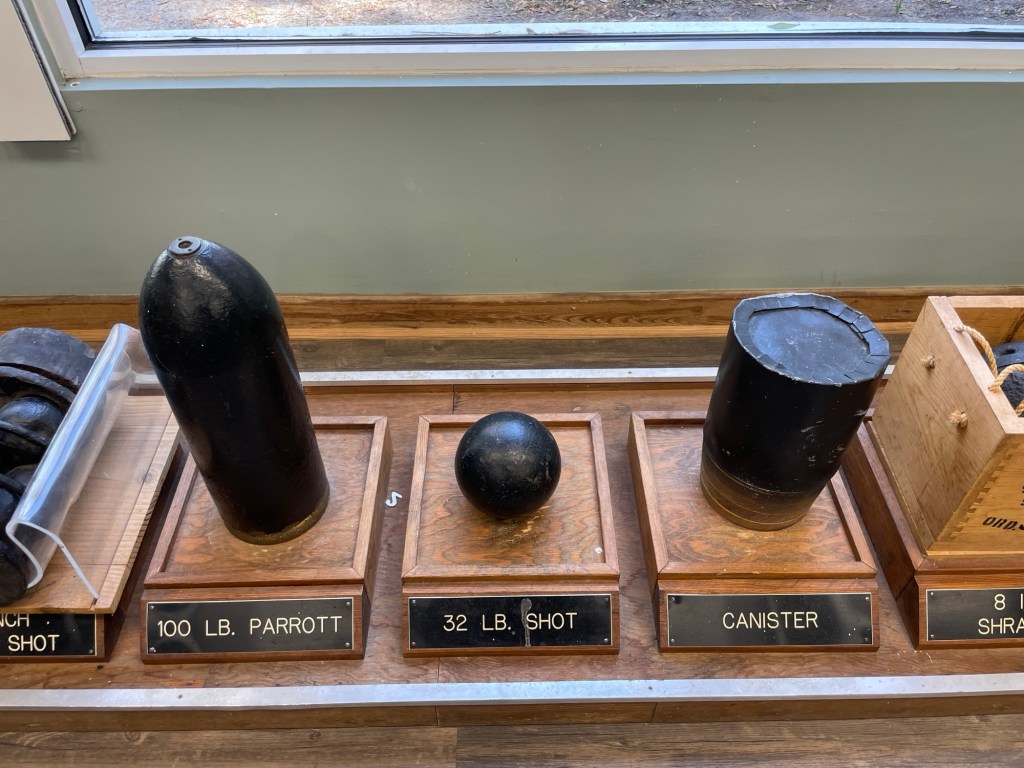
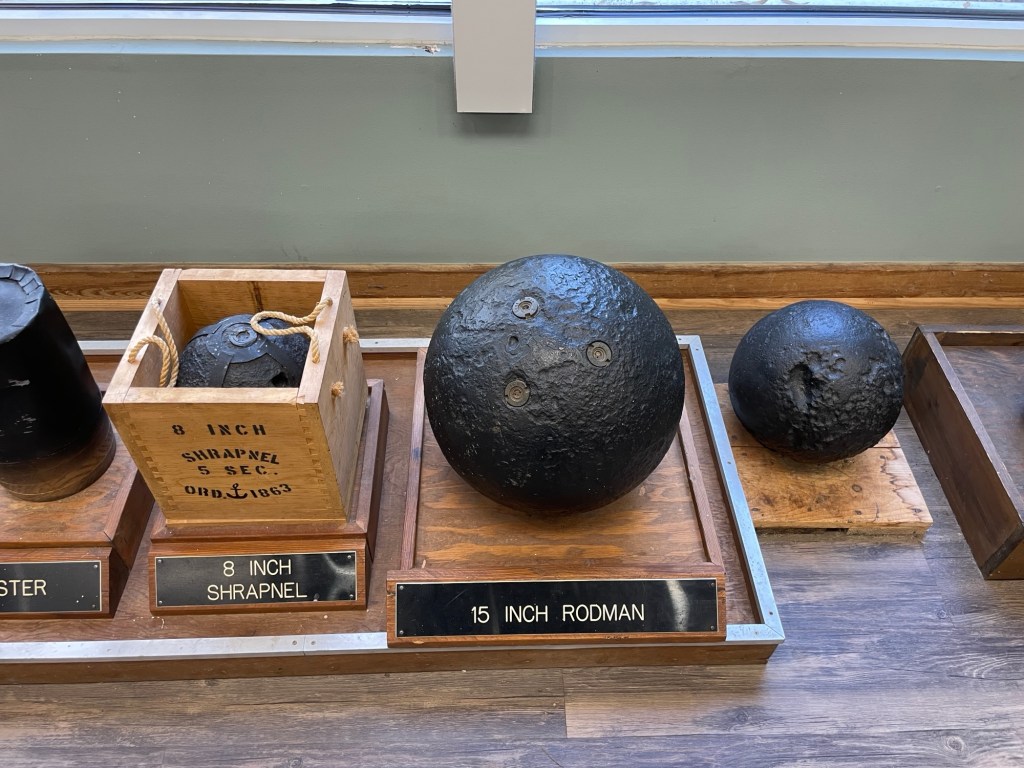
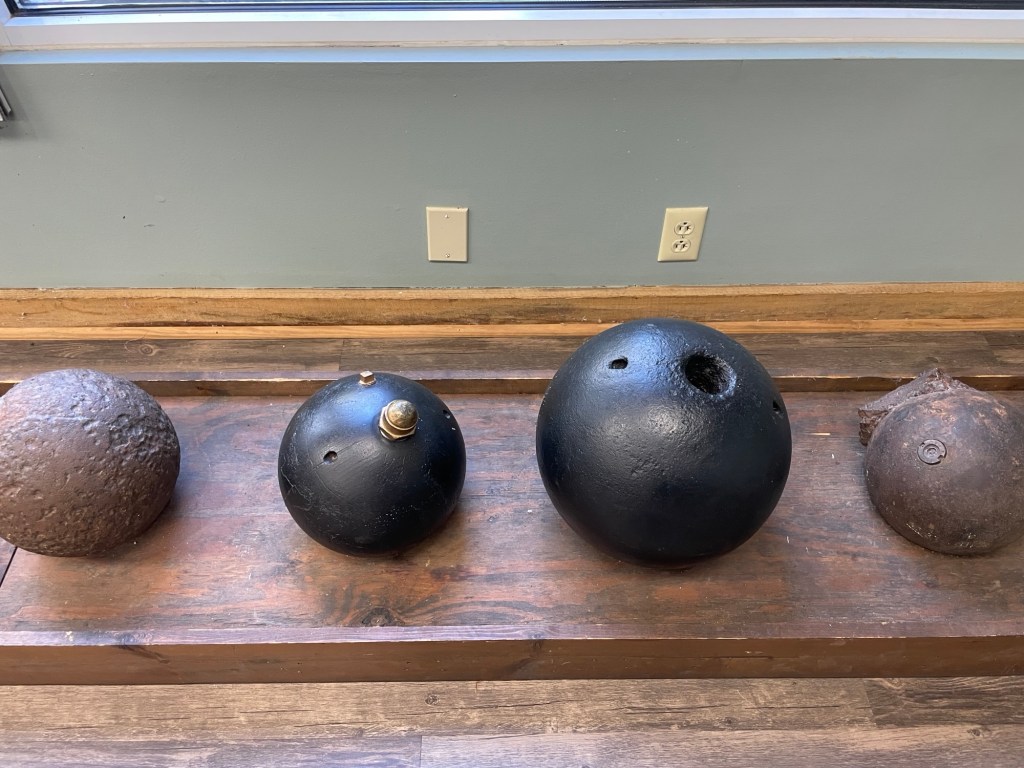
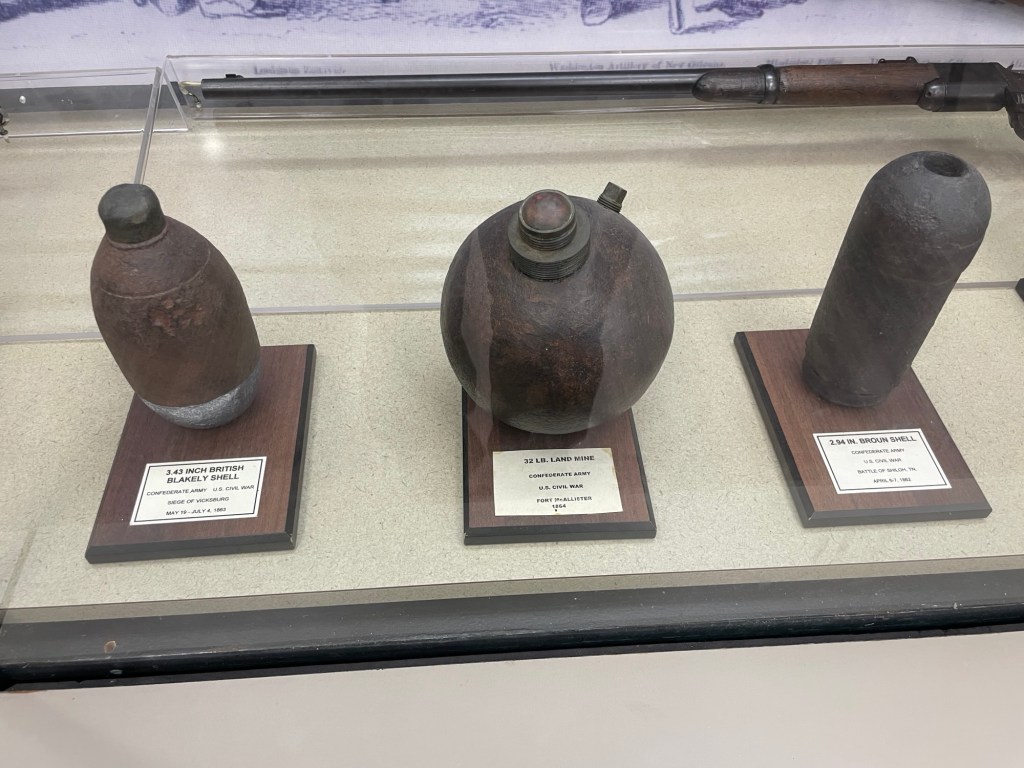
General Sherman was so irate about land mines being used around Fort McAllister — he considered it ungentlemanly and beyond the scope of decency during war — that he made Fort McAllister’s soldiers, including its leadership, remove each land mine placed outside the fort. And they did it by hand.
As the month comes to an end, numbers clang about in my head. It’s been three months since someone crashed into the truck, six months since Jeff and I rolled out of Colorado, nine months since we picked up the HMS Beangle and I fired up this blog, and two years since our son died. Nothing prepares you for the worst moment of your life.
If you’ve made it this far, thank you. Thank you for your interest in our journeys and my attempts to make sense of them. If you’ve left comments or liked posts, thank you for that as well. I genuinely appreciate the feedback. If you’ve reached out lately, thank you even more. February is a tough month for us. Hold your people close.


Leave a reply to Crystal Hunt Cancel reply