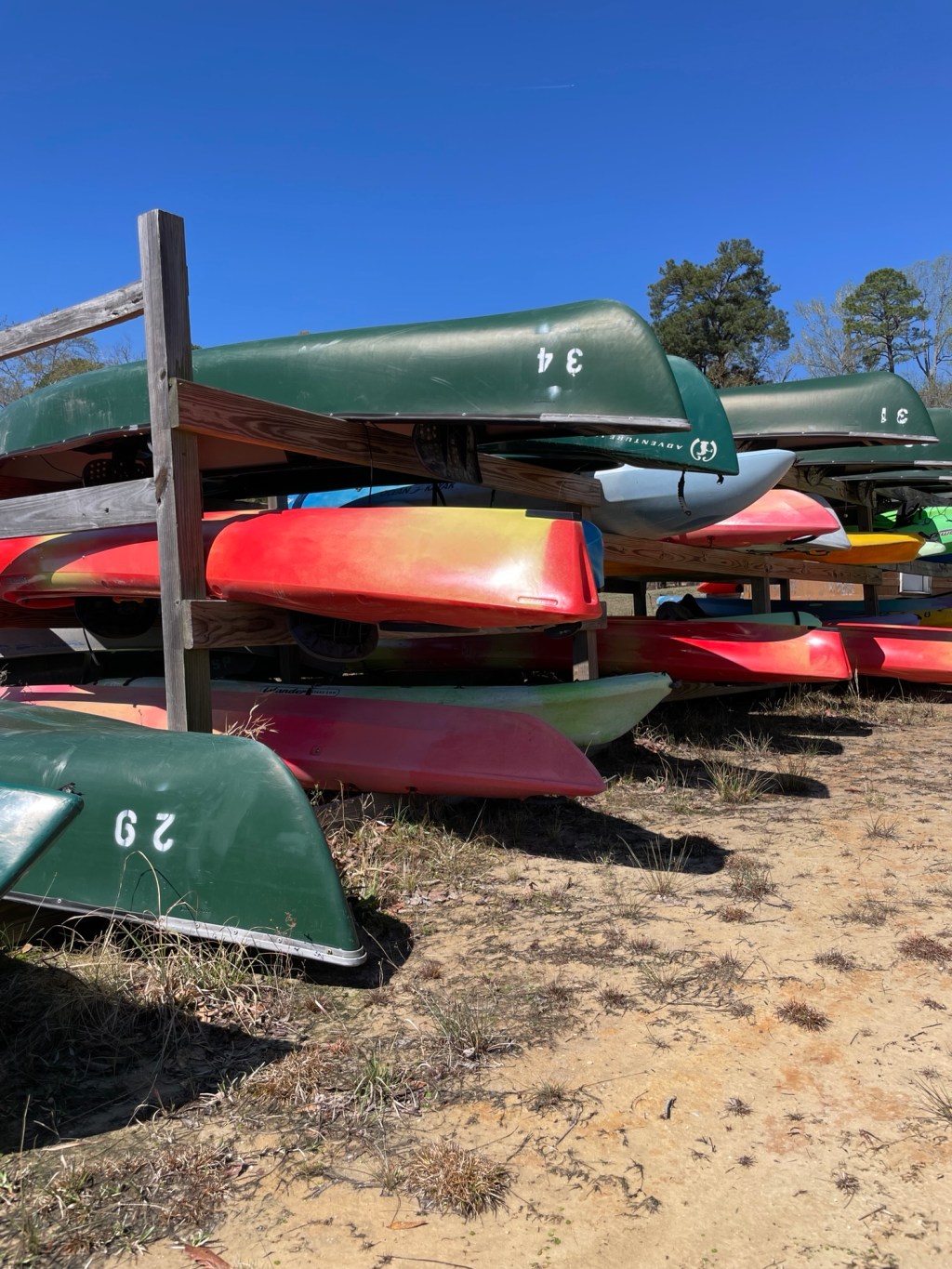
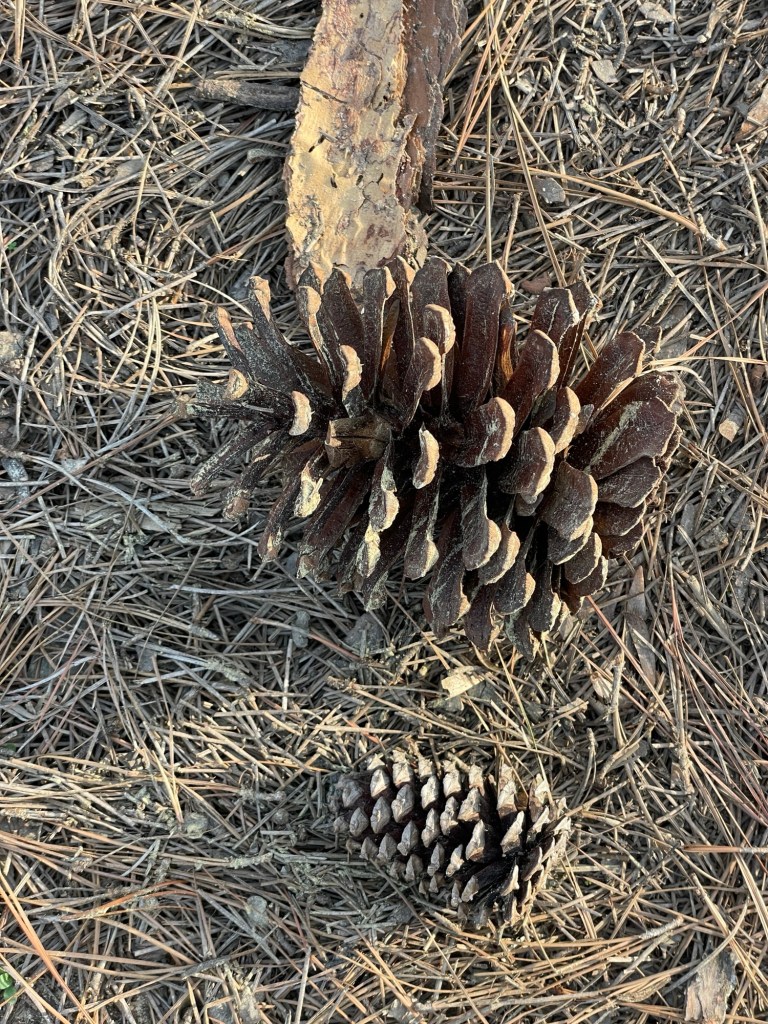
First and foremost, I have a grievous error to acknowledge. I have been misleading you all about Longleaf Pines for some time, and for that I apologize. What I often thought was a Longleaf (Pinus palustris) was instead a Loblolly Pine (Pinus taeda). I know. I know. It was a careless, but I also learned common, mistake. You can be sure that I’ve internalized the difference since that horrifying realization. A very patient and enthusiastic Ranger at Congaree National Park helped our tour group learn how to spot the differences. Again, take the Ranger-led tours. The most obvious difference is the size of their pinecones. Looking at the top of a Loblolly is like looking at a tree out on the African Savannah (such as the trees I saw on St George Island, Florida).
A truly wonderful part of a Longleaf forest is the fact that they look like cartoonish Truffula trees from Dr Seuss’ classic The Lorax in their early stages. I mean, COME ON, look at them (below). But no matter the age, a Longleaf Pine has a definite pom-pom look to their clumps of long needles.
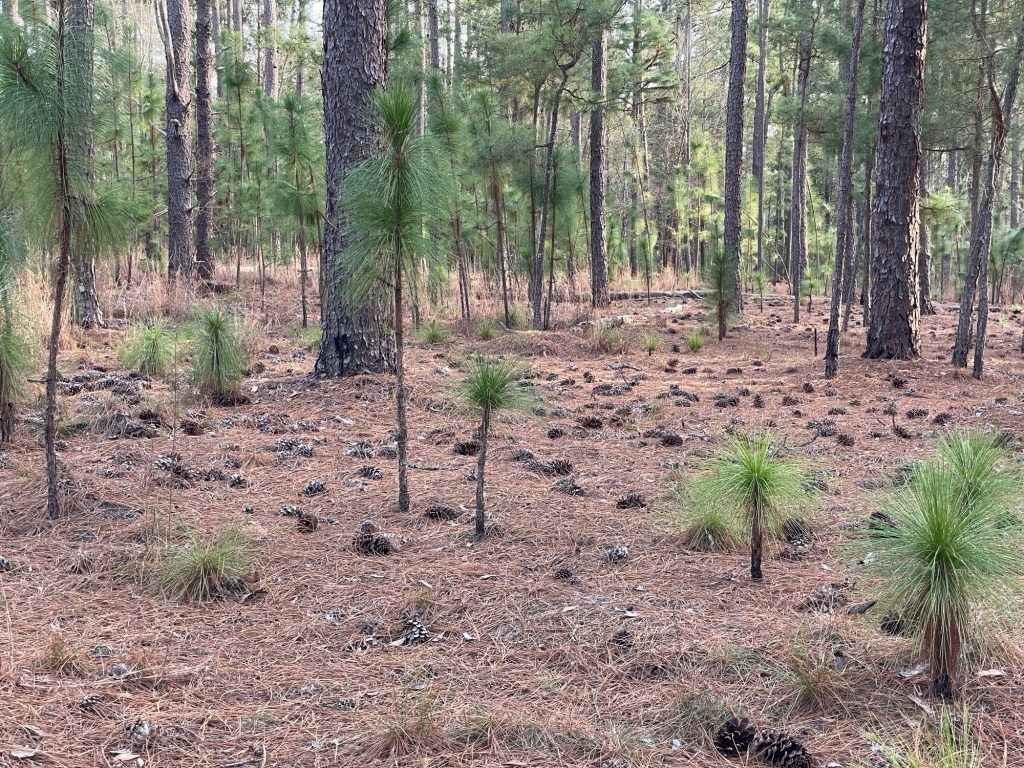
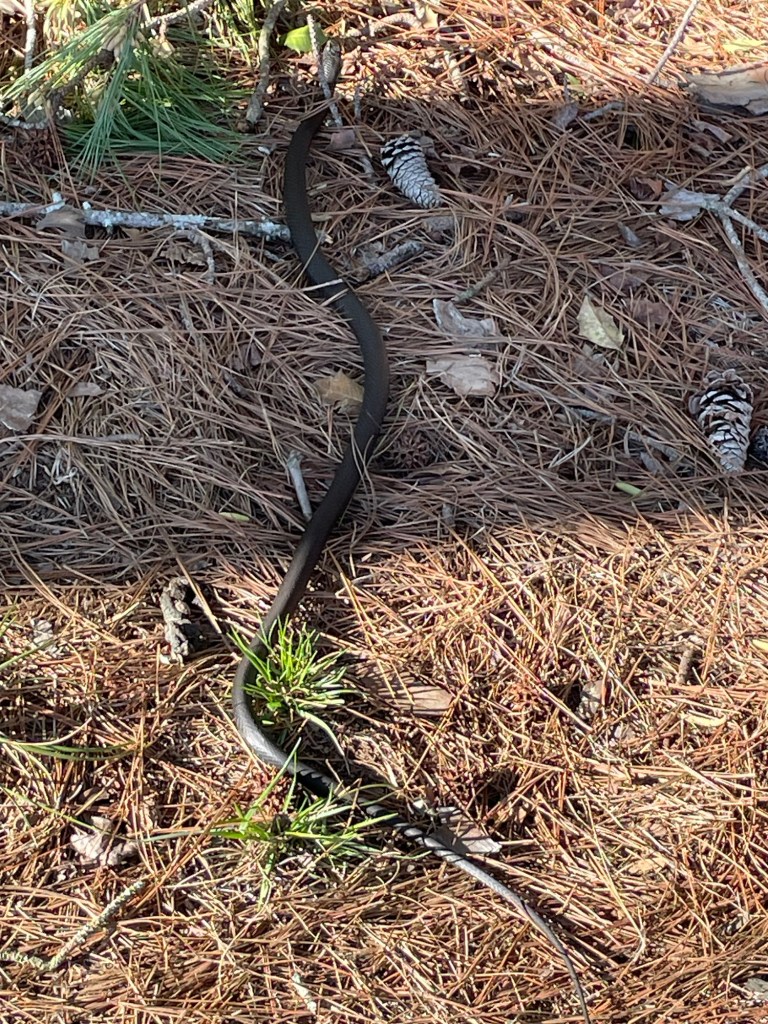
Longleaf Pines were once the most dominant pine in the Southeastern United States, but they’re only found in small pockets in a couple of states now. Places like Congaree (which is a wetland and NOT a swamp, thank you very much) are actively trying to re-establish stands of them. This is a very good thing, as many animal and bird species are tied to the Longleaf Pine habitat for survival (such as, the Red-Cockaded woodpecker, Gopher tortoise, and Indigo snake). Due to decades of U.S. fire suppression policies, there has been very little new Longleaf growth, as they rely on fire to clear the forest floor for their pinecones to take root. Fingers crossed that there will be more maturing Longleaf Pines in the decades to come with the current practice of managed, prescriptive fires.
Ok, I feel alright moving on now.
We spent five weeks in the low country of South Carolina. If we include our time visiting the northwestern uplands while we were stranded in Georgia, however, we’ve spent more time getting to know South Carolina than any other state so far. Our assessment: it’s a beautiful, interesting, history-rich state with very friendly people. Of the southern states, it’s easily been our favorite so far.
After Buck Hall, we stayed a week each at a trio of South Carolina State Parks. The first, Givhans Ferry, and last, Cheraw, were quite small, and the middle park, Santee, was rather large. I can’t say that I had an obvious favorite, but if forced to pick, it might be Cheraw for its quiet, out-of-the-way feel despite being close to two cute towns. But Givhans Ferry, also quiet, had by far the friendliest staff, volunteers, and other campers of the three. Having no cell signal encourages people to talk to each other more often, I guess?
The nearby town of Cheraw has deep ties to South Carolina’s earliest history as well as to the Civil War. An early plantation region supplying the British Crown, Cheraw’s location on a major river later made it an essential part of the British line of defense. The town and region suffered greatly by that tie.
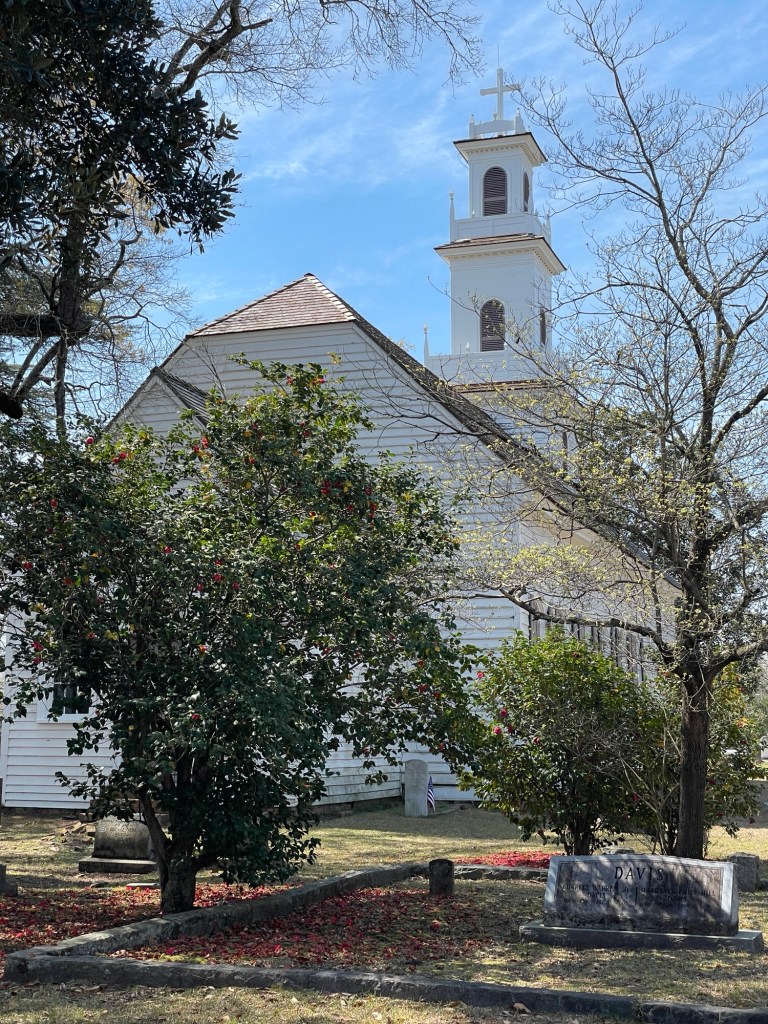
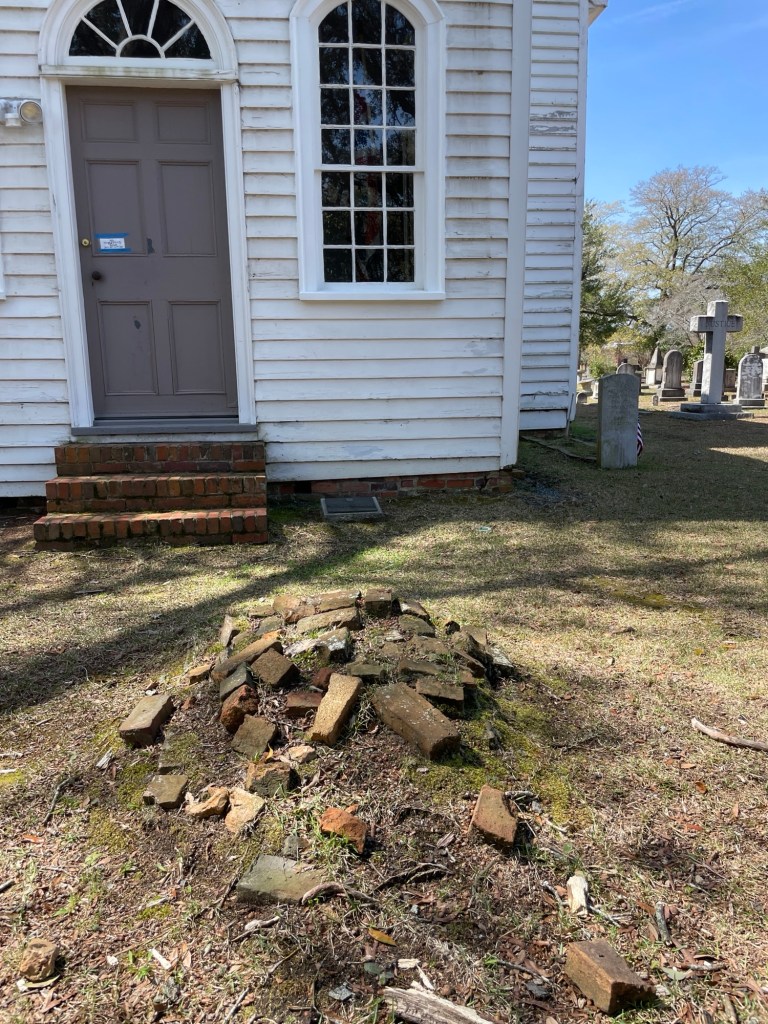
Later, during the Civil War, General Sherman’s entire army passed through the small town (named after the Cheraws tribe) during his march through the Carolinas, nearly 60,000 men in all. Can you even imagine? Fleeing the area, Confederates burned the bridge over the Pee Dee River, forcing Sherman’s troops to wait a few days while pontoon boats and additional supplies arrived by river. They must have been good to the troops, because surprisingly the town’s public buildings and homes weren’t fired by the Union troops as they left. A small central business district was destroyed when a captured Confederate munitions depot exploded, but that was unintended. As a result, a good number of pre-war homes in the town and surrounding area still survive.
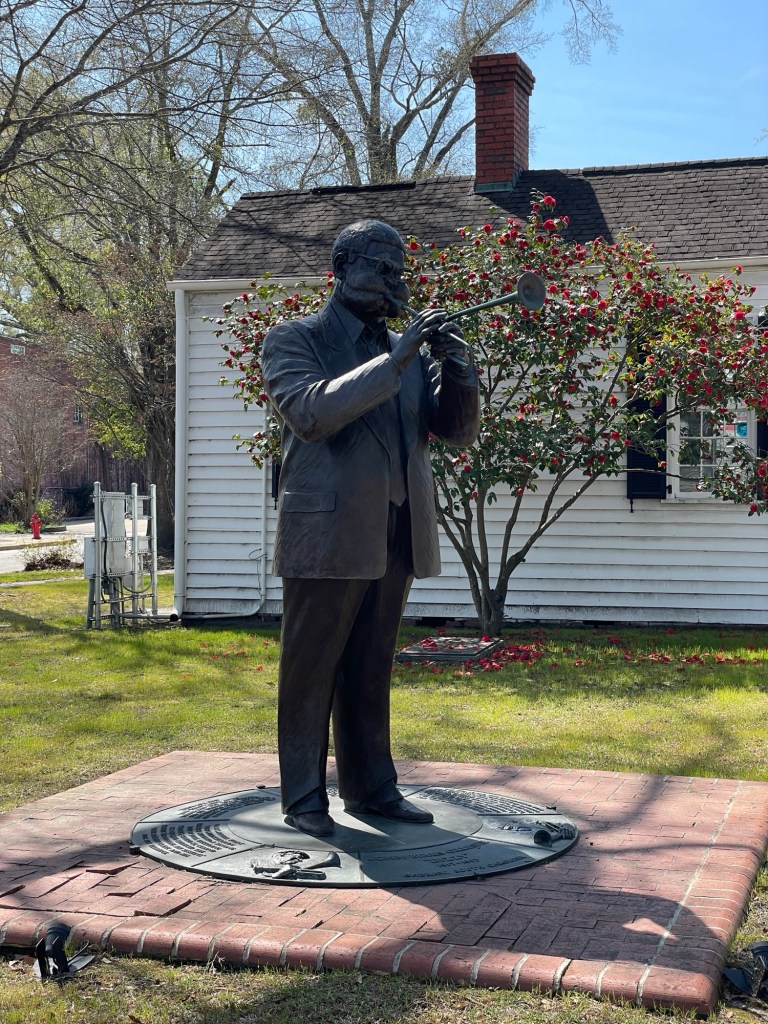
Cheraw’s real claim to fame, however, is John Birks “Dizzy” Gillespie. The jazz great was born, attended the town’s (segregated) school, and began to excel musically in Cheraw. Even at a time of deep segregation, Dizzy was so uniquely talented that he was the only African American musician asked or even allowed to play at the area’s all-white dances and social events. Although the family moved away for financial reasons some time after the death of his father, he clearly held affection for his hometown, as his chosen way of opening gigs emphasized:
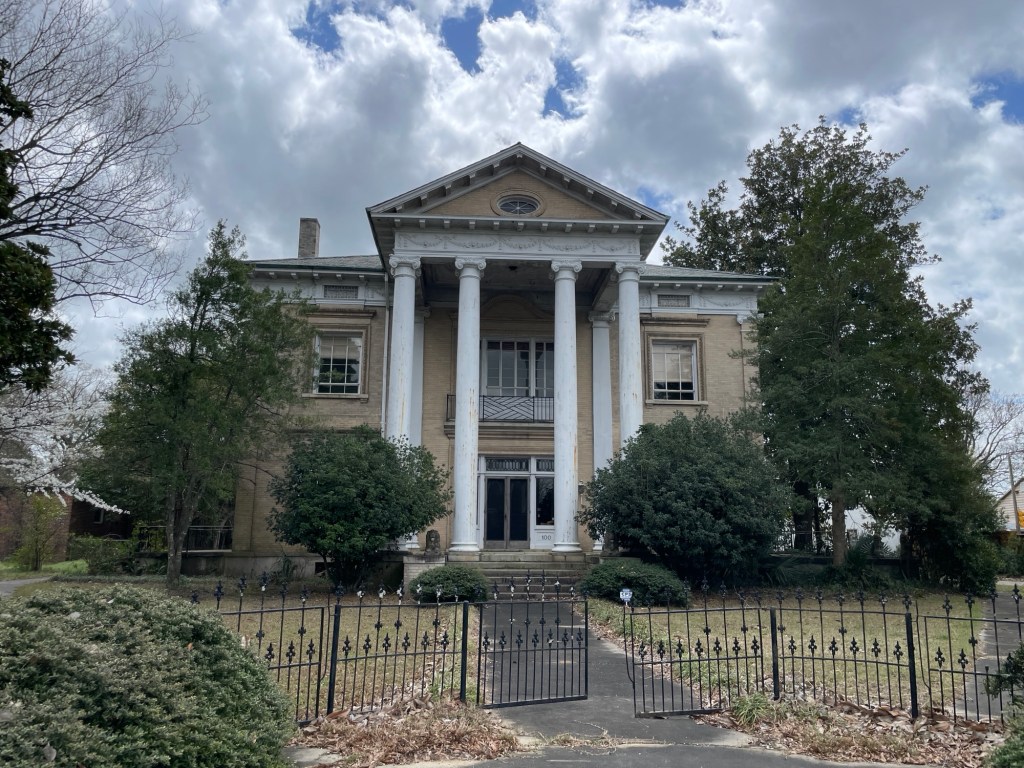
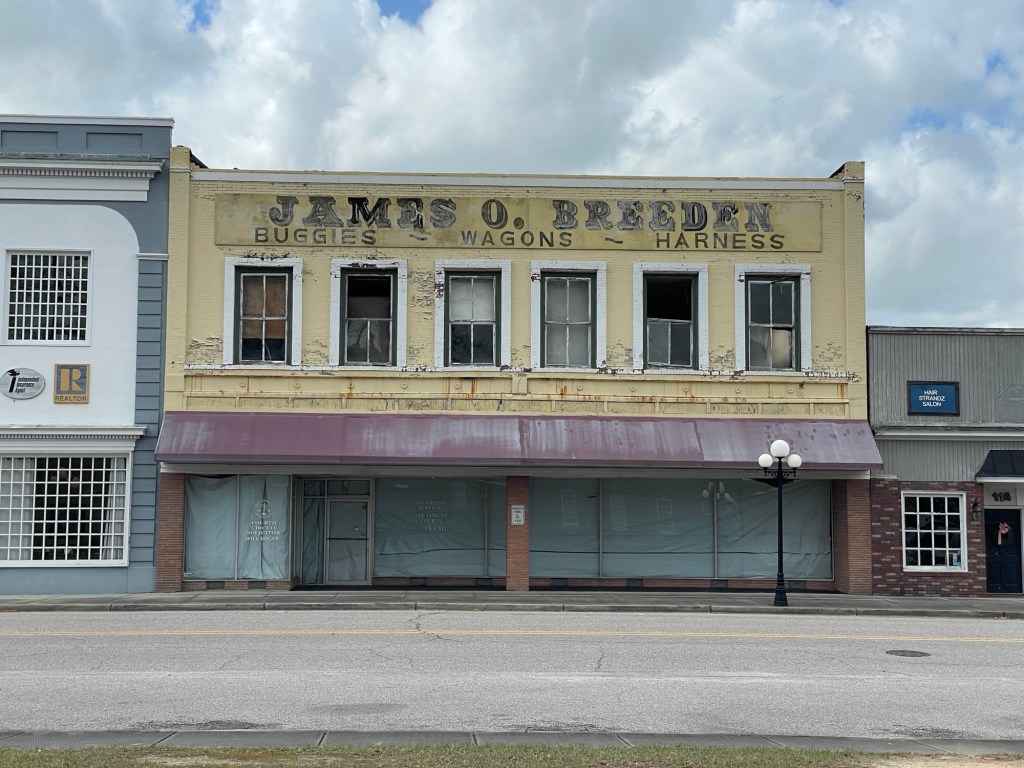
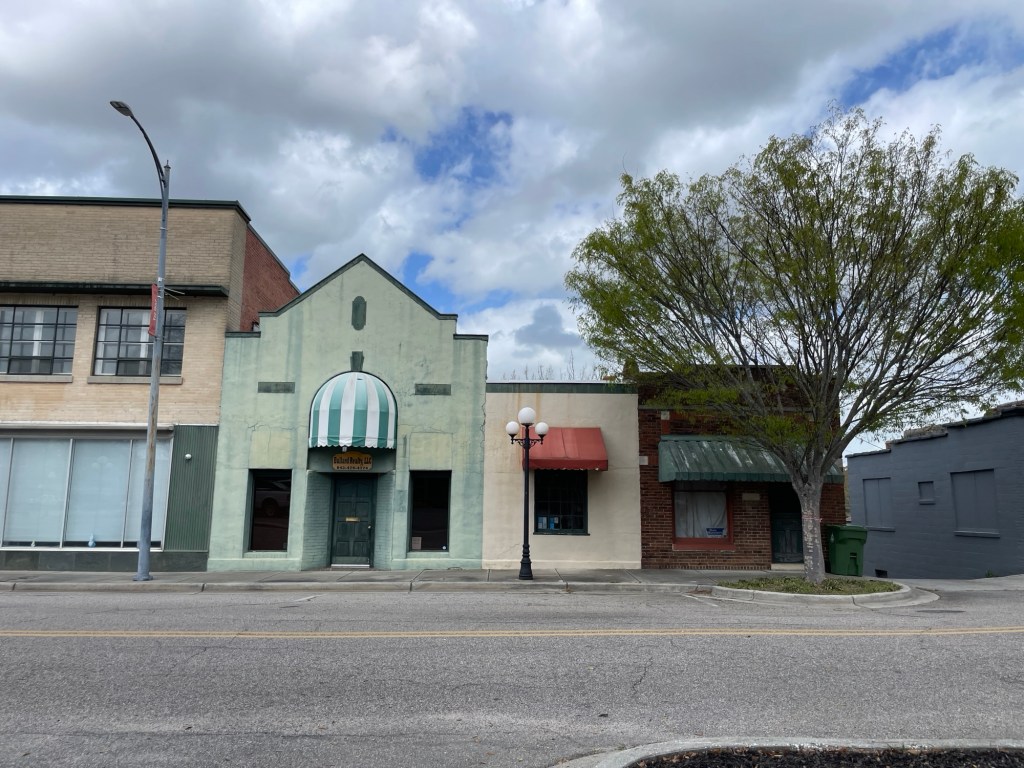
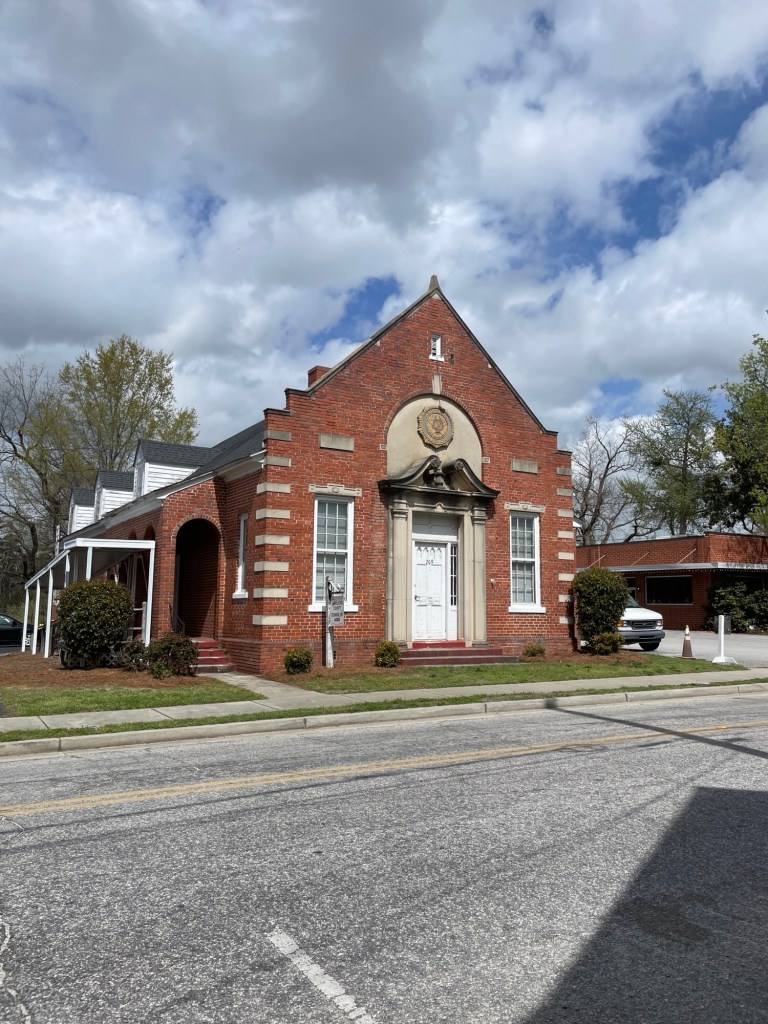
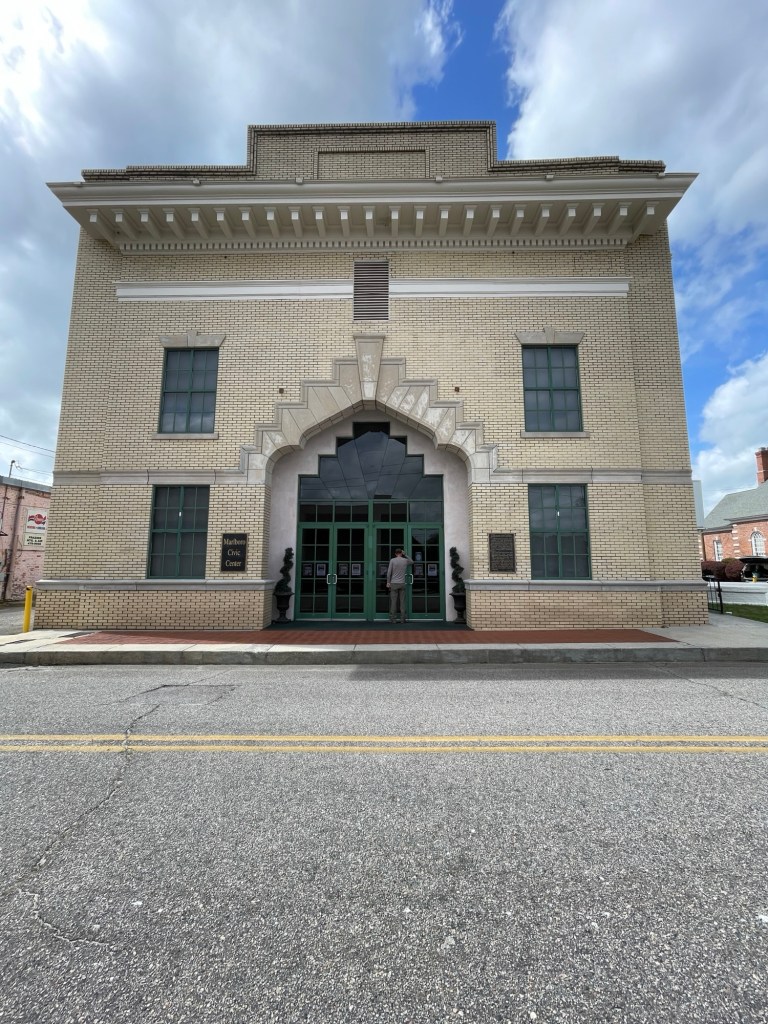
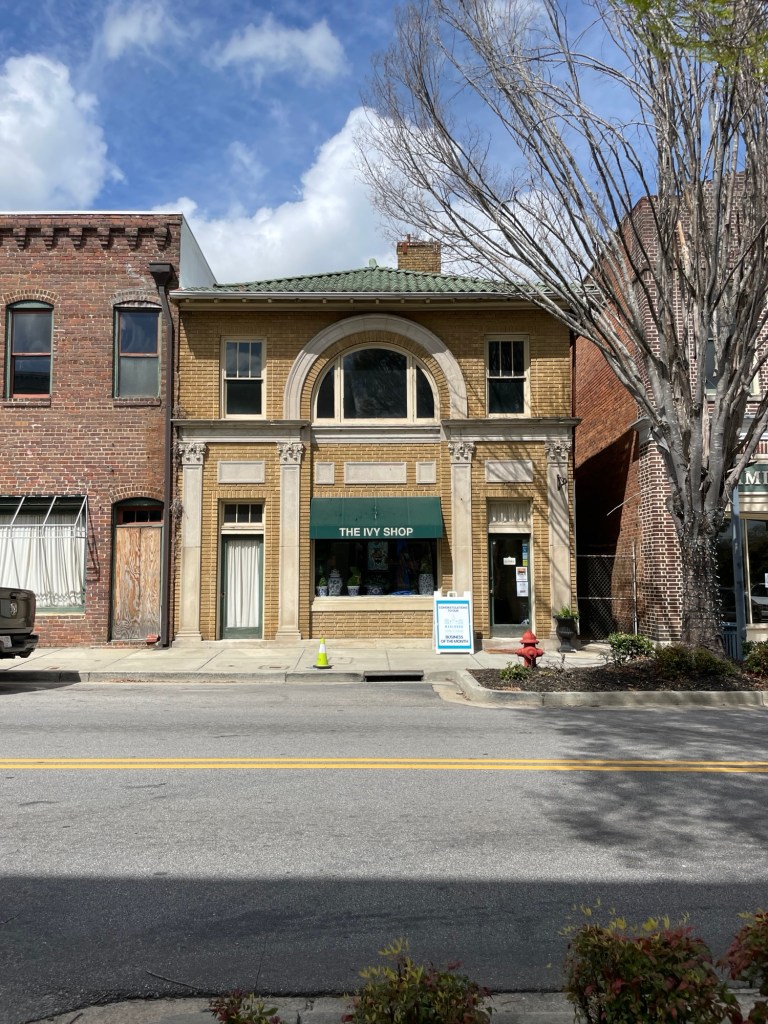
On a whim, Jeff and I drove over to nearby Bennettsville and followed their walking tour. It’s remarkable how many little towns have put together something similar, if only you dig a bit. The town is definitely struggling, with many empty storefronts and homes falling into disrepair, but it’s still putting up a fight. I wish it all the luck in the world. Below are some of my favorite edifices.
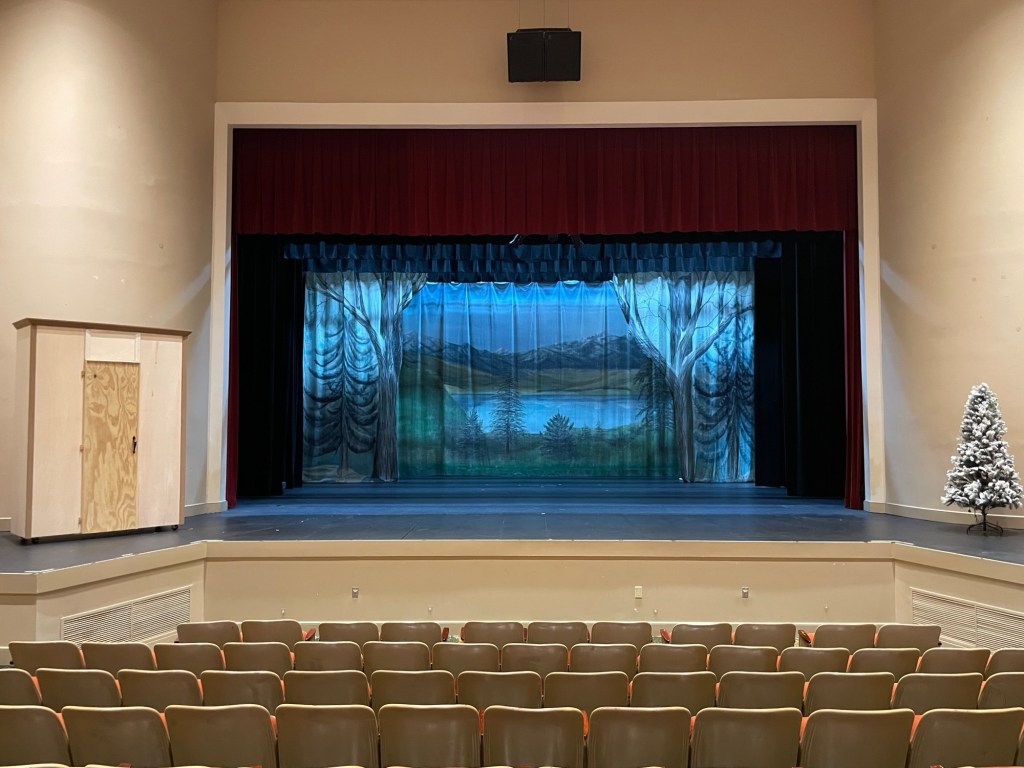
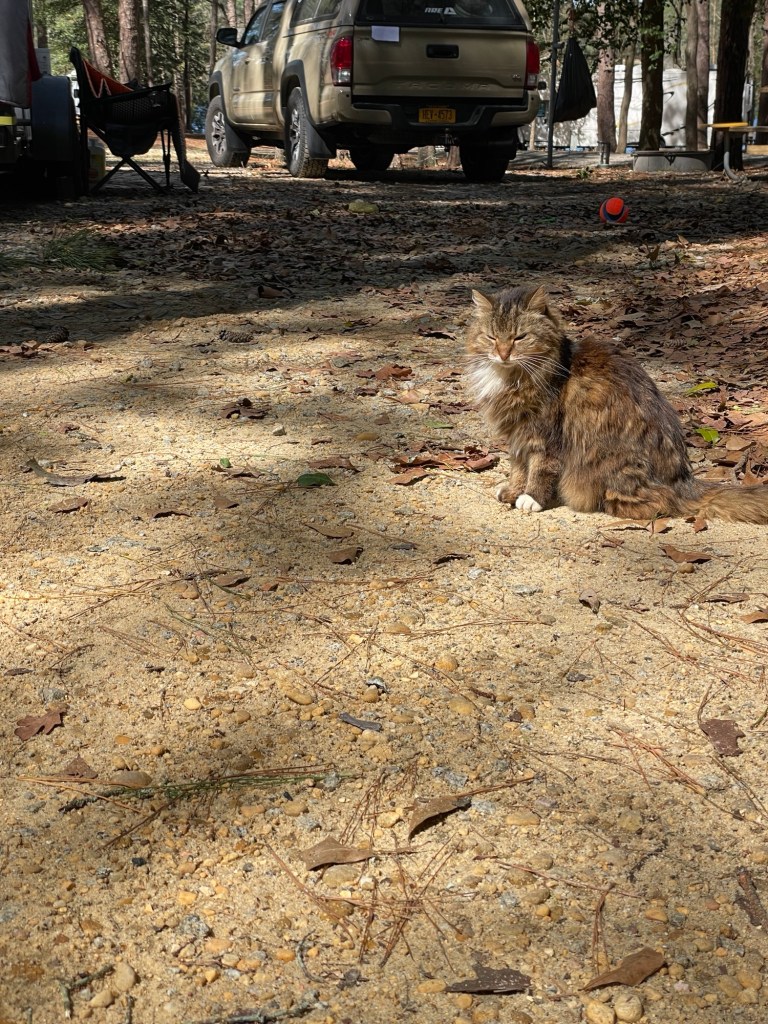
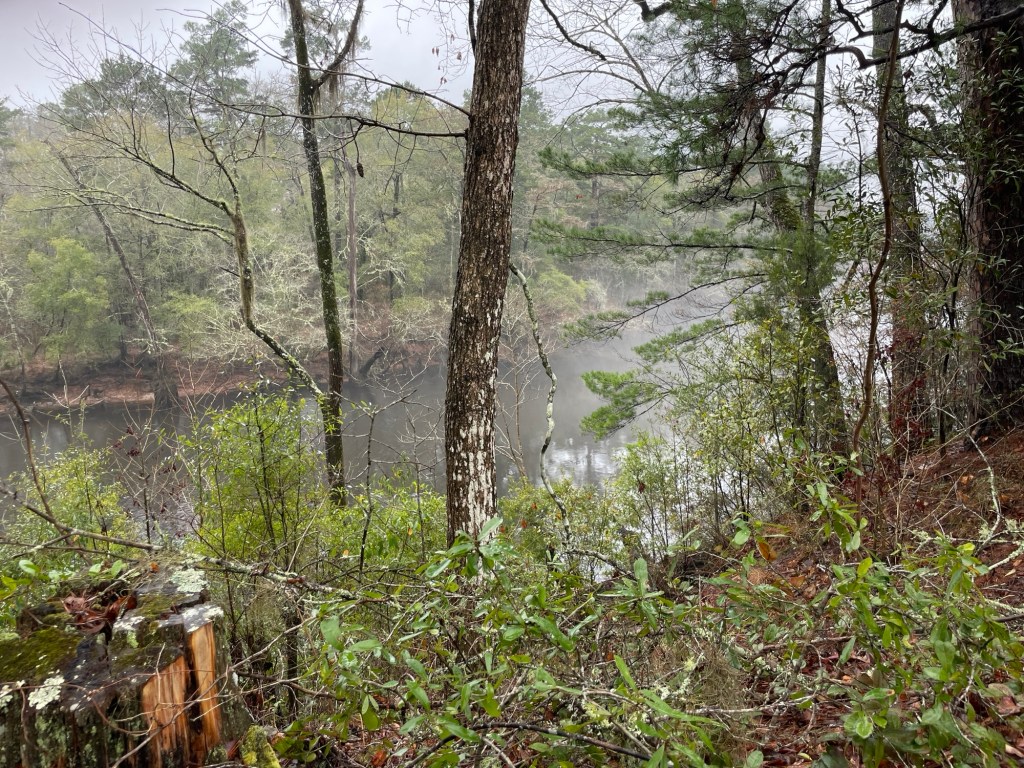
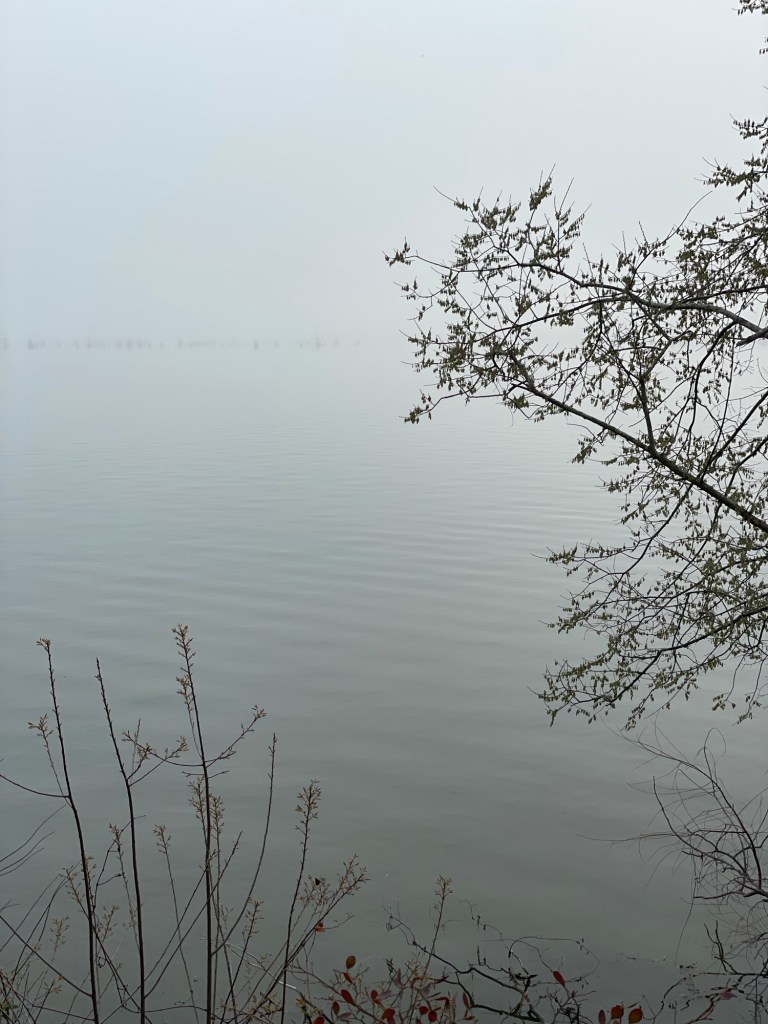
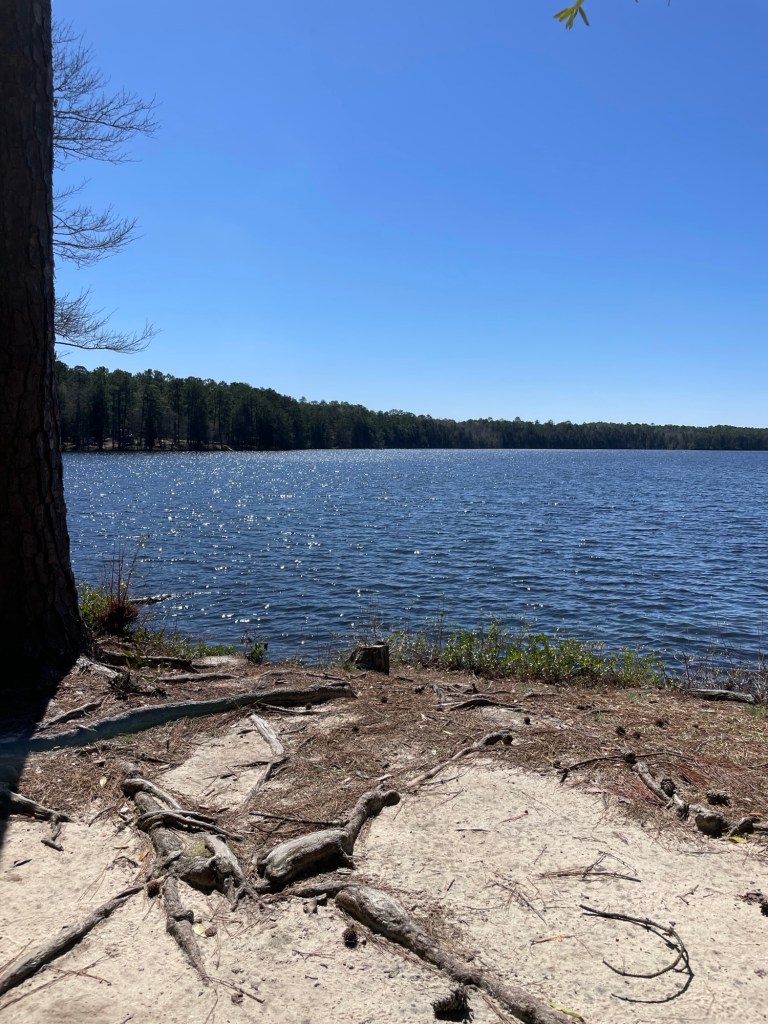
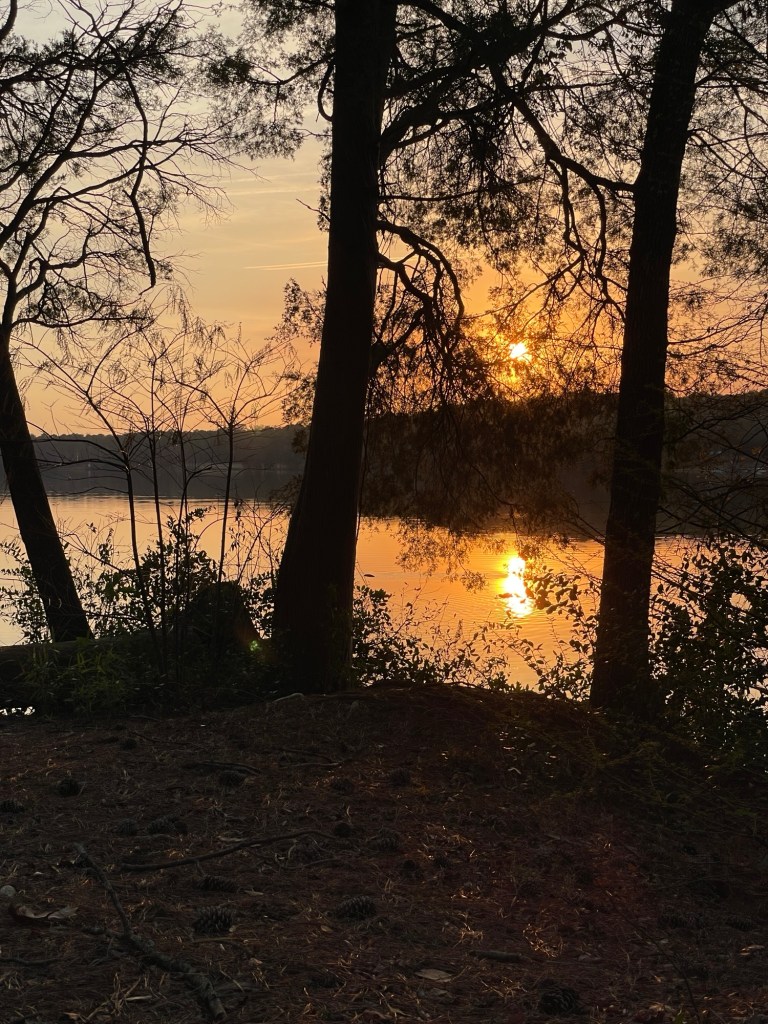
In large part, though, we relaxed, read, and met our campsite neighbors. It’s so interesting to hear about the varied lives that people have lived. All three parks were on a body of water, so we spent an inordinate amount of time checking out the fish situation, watching the morning fog, and evaluating the presumed water quality. All three campgrounds also had a camp kitty — skittish, hissy, and friendly respectively.
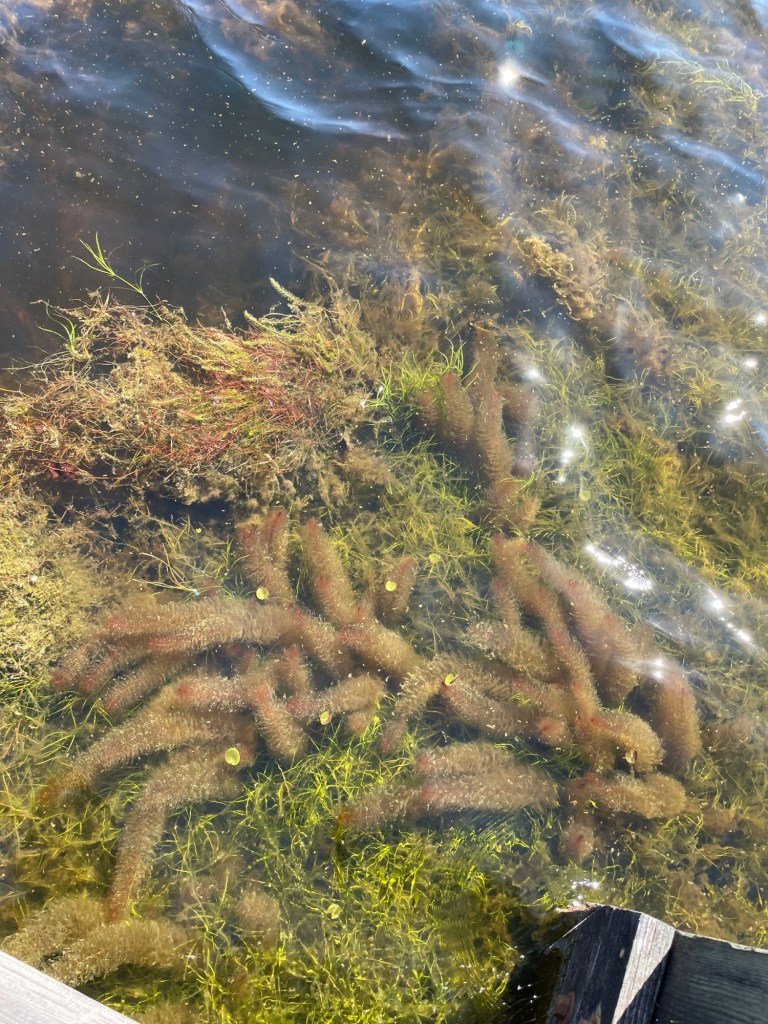
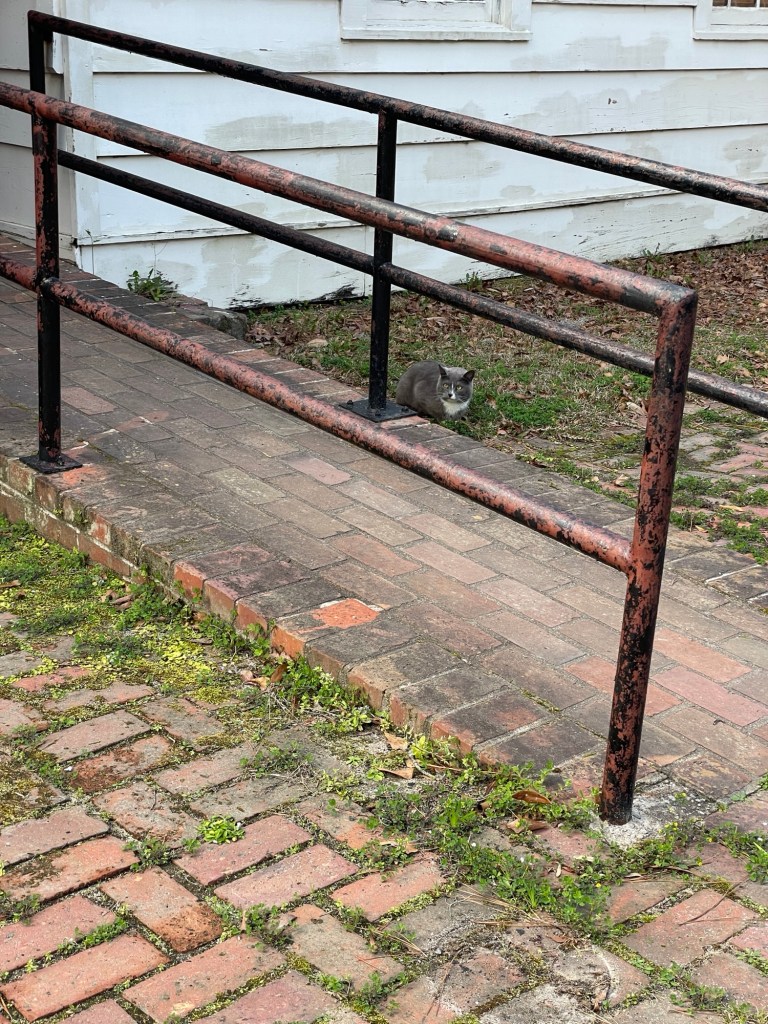
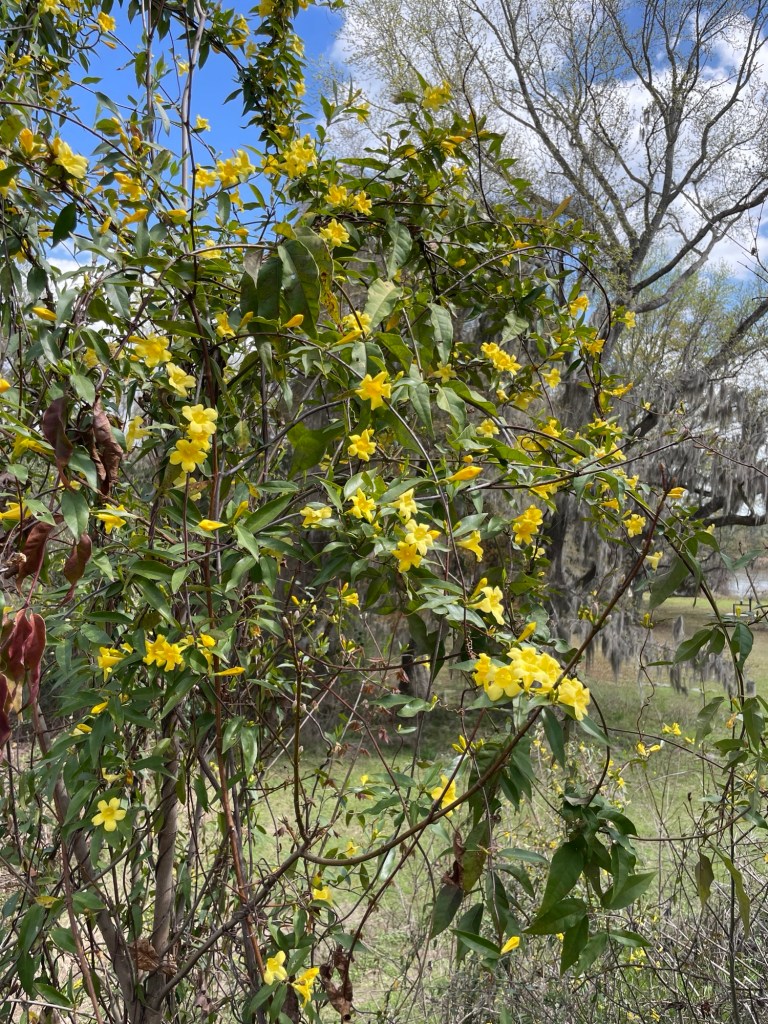
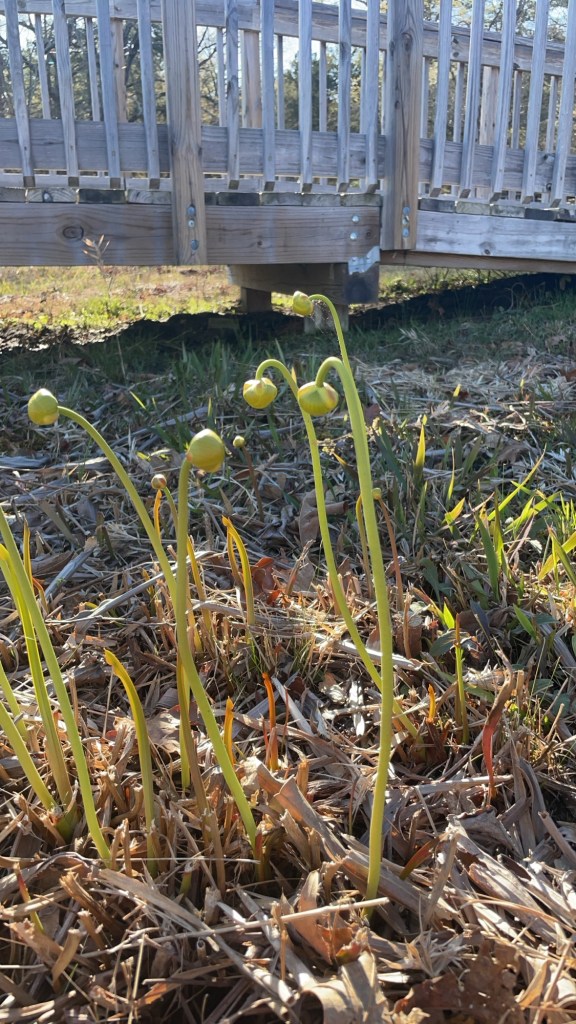
There was, obviously, much bird watching and flower stalking as well.
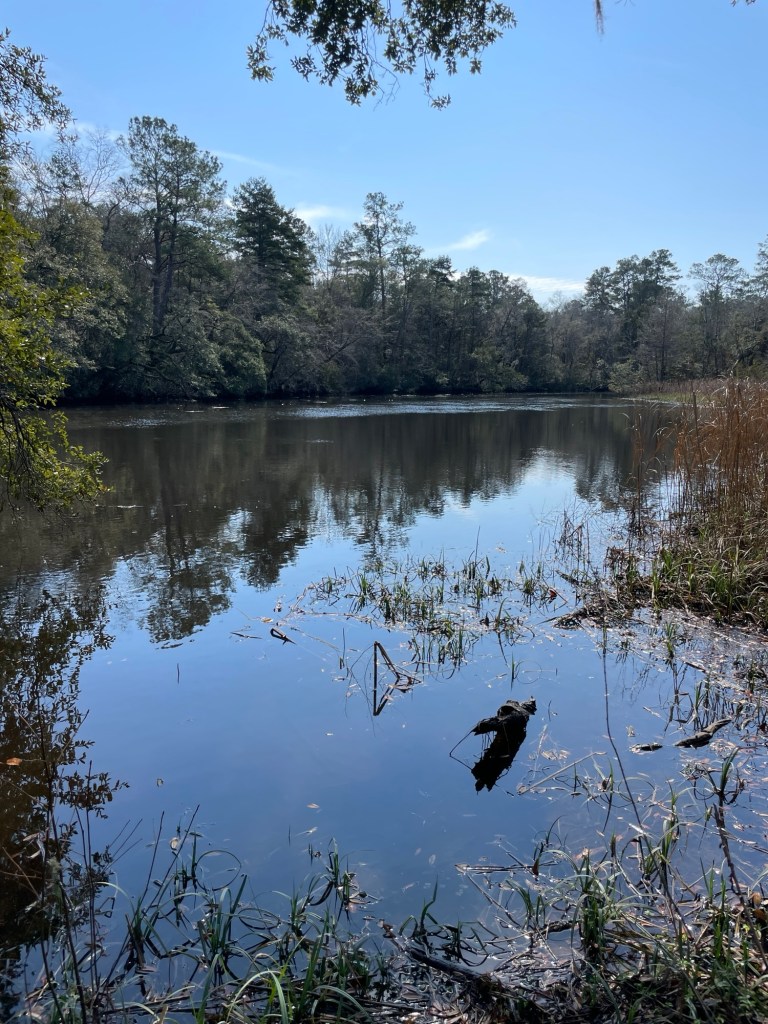
We continued our education about Francis Marion (the Swamp Fox), a hero of the American Revolution, who lived and operated within the region. He’s widely regarded as the father of guerrilla warfare tactics and of using his local innate knowledge of the terrain to put an invading army on the wrong foot. On one cold night, we watched The Patriot, which was roughly based on his life. After the Revolution, Marion returned to his previously quiet life as a plantation owner. We saw his burial place, on his brother’s property, and learned that his former home is now sitting under Lake Marion, a reservoir on the Santee River, next to the Santee State Park campground. You’ll find a lot called Santee (the Santee tribe lived in this river valley) and a lot named after Francis Marion in the area.
(We also watched Glory again, since the McLeod Plantation — see previous depressing post — was home to the 55th Massachusetts (sister troop to the famous 54th MA) after the fall of Fort Wagner. The Freedman’s Bureau with its brief promise of support plus 40 acres and a mule to freed African Americans was run out of the McLeod plantation for a time. Ultimately, nearly all of that promised land was returned to the original plantation owners.)
If you haven’t been to Congaree National Park, and you probably haven’t since it’s one of the least visited parks in the nation, you should. But maybe go in the dry winter season if you’re not from the South, mosquitos the size of trucks, and walking around in hip waders aren’t your thing. Congaree is home to the largest concentration of old growth bottomland hardwood forest remaining in the United States.
bottomland, noun
bot·tom·land ˈbä-təm-ˌland
: low-lying land along a watercourse — often used in plural — the fertile bottomlands
Its “champion” trees (the tallest known of its kind in the world) are massive, gigantic, tremendous. Pick your superlative. You have to see them to believe them. My photos don’t begin to do them justice. They just don’t. Sorry. The area was barely saved from the handsaw by the difficulty of getting them out of the wetland during the initial clear cutting of America’s great forests and from the gasoline-powered saw by the concerted effort of a local reporter and sportsman who saw the true value of “that swamp” in the 1970s.
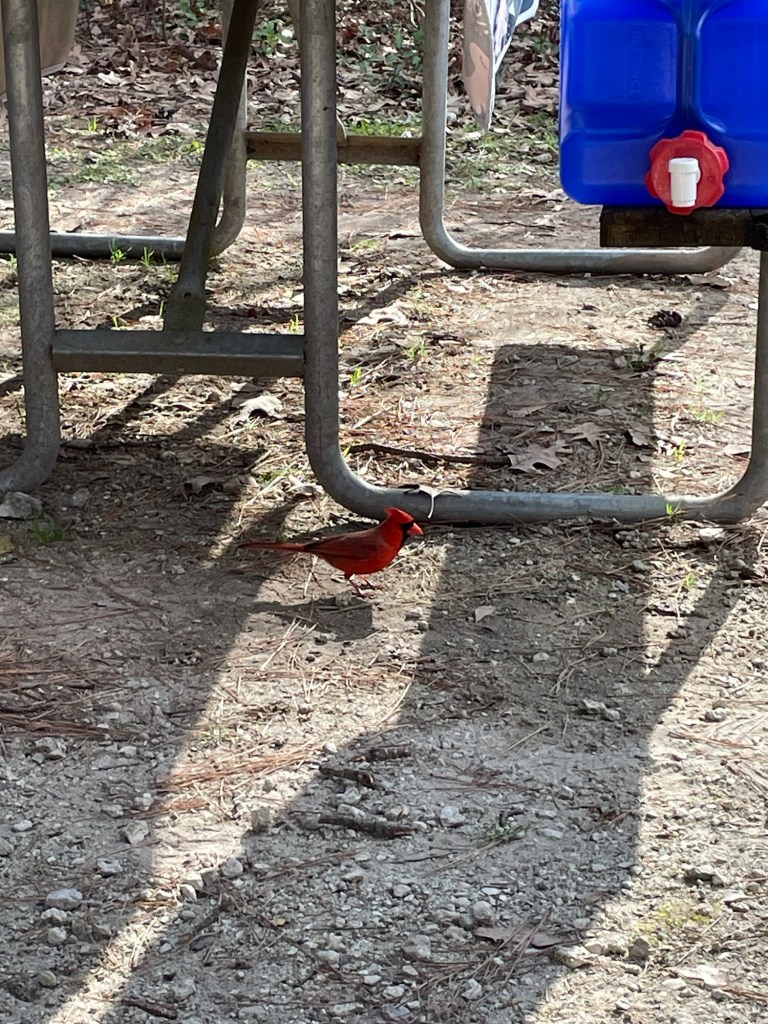
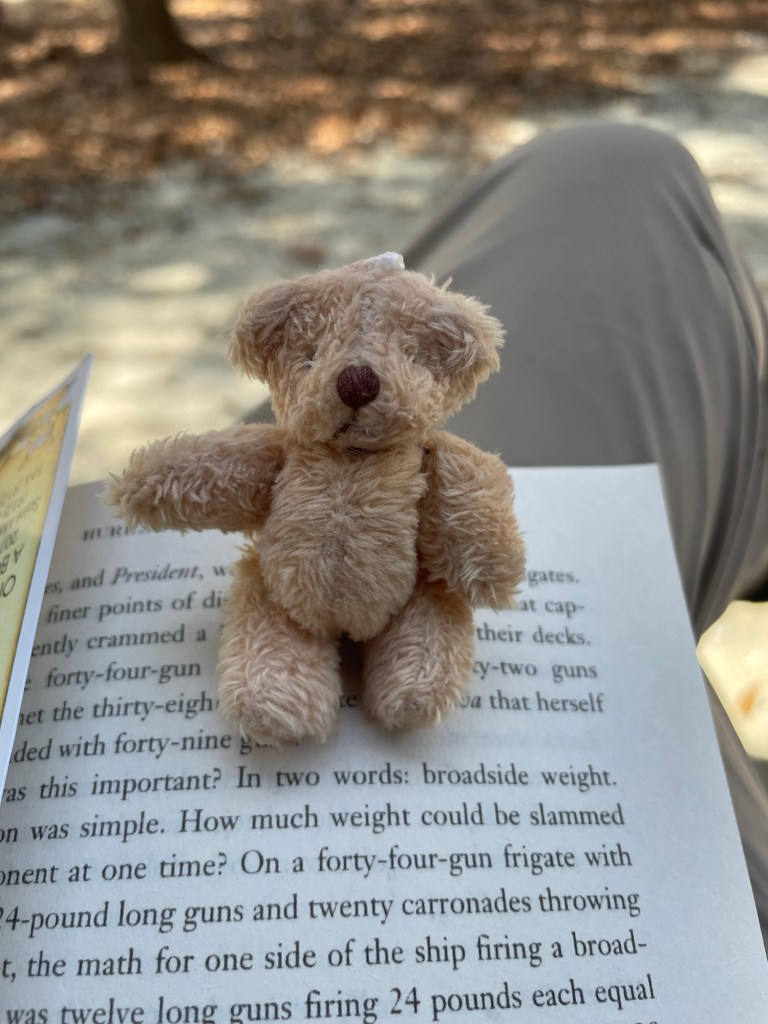
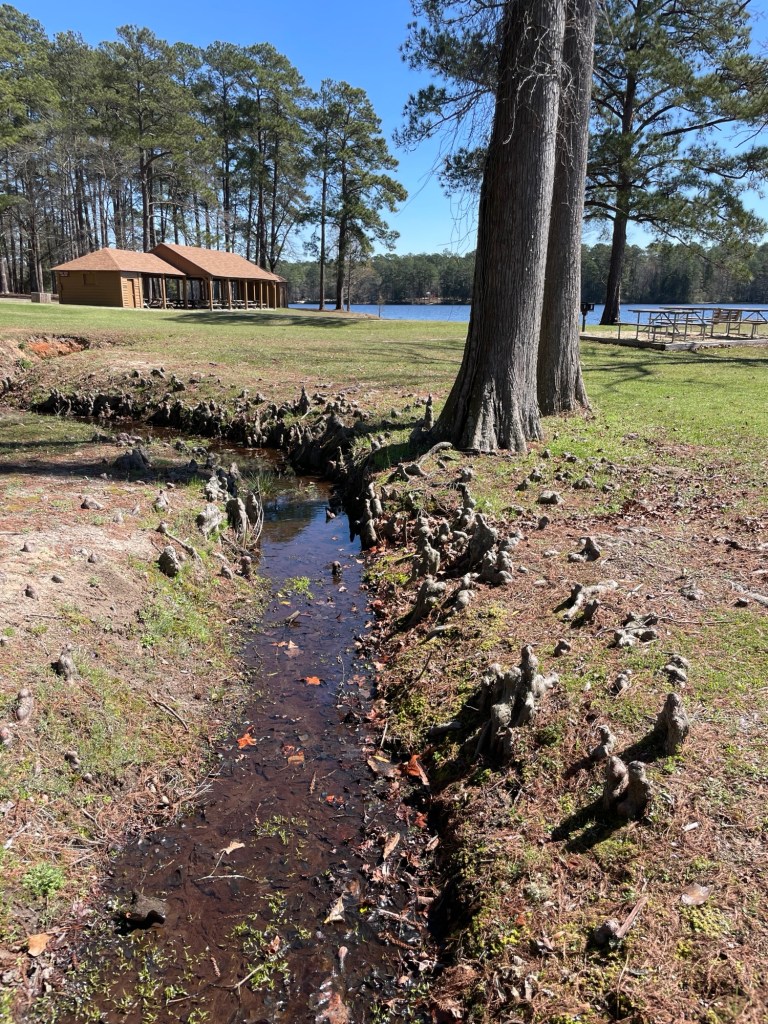
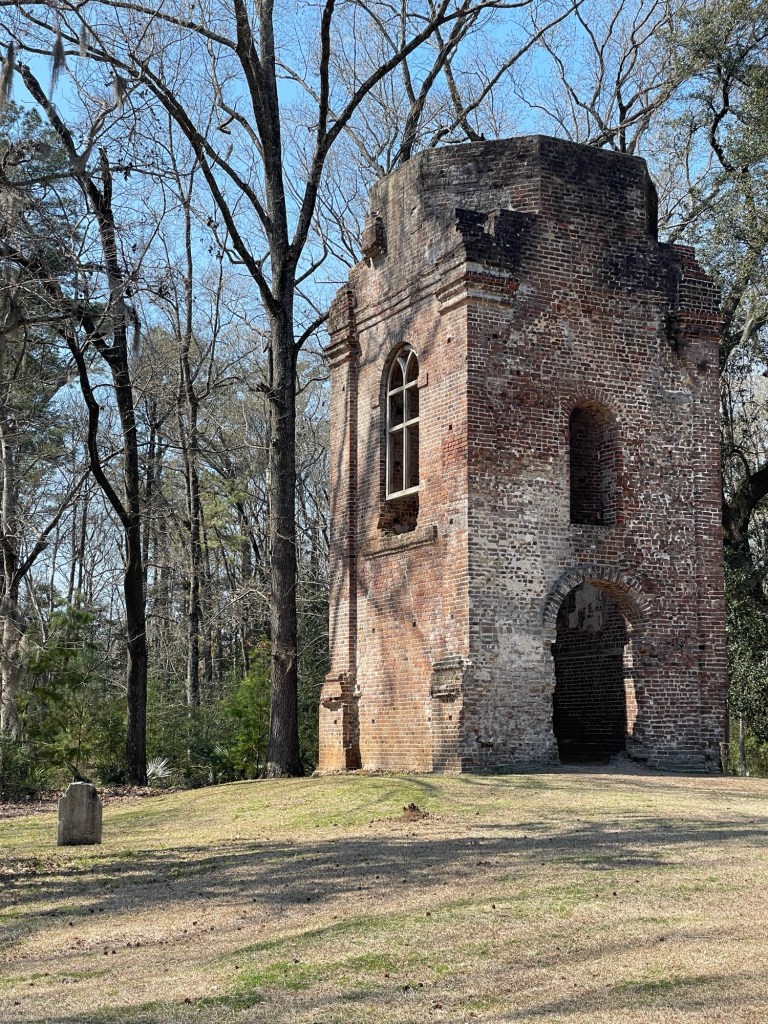
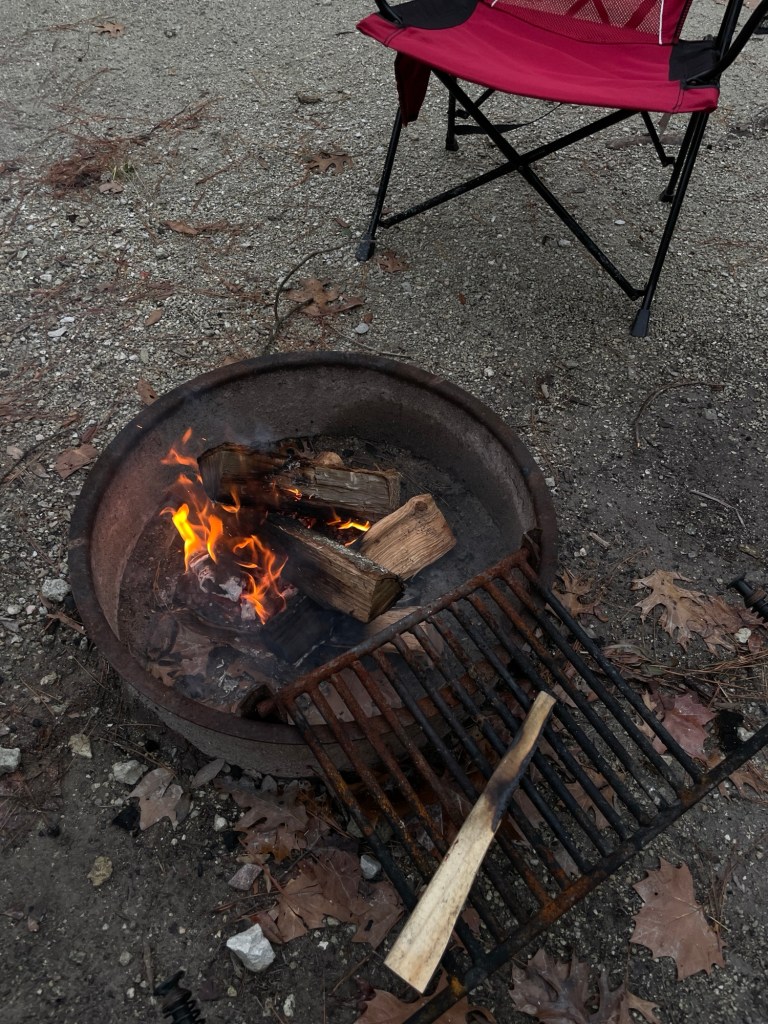
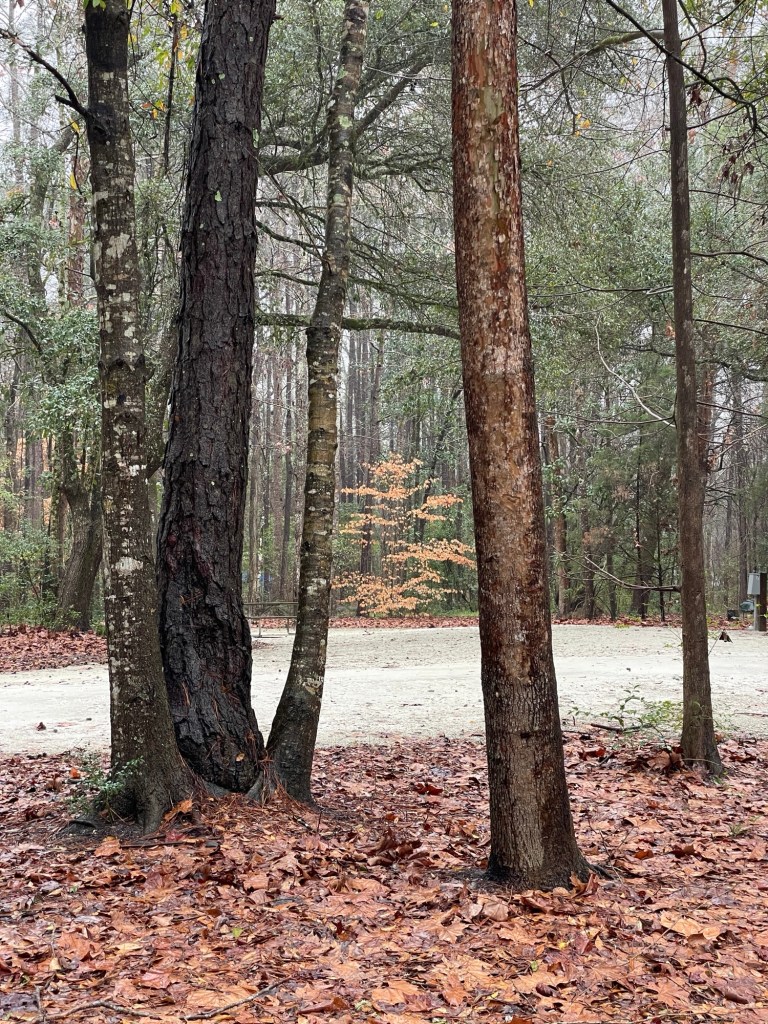
Here are an additional few random photos from those last SC weeks.
***
Update: Clean living has paid off. We’re going to be park hosts for the summer in New Hampshire. Dogs need to be on a leash. Pack out all your trash, please. Don’t forget, gates close at 7pm. See, we’re naturals.

Leave a comment