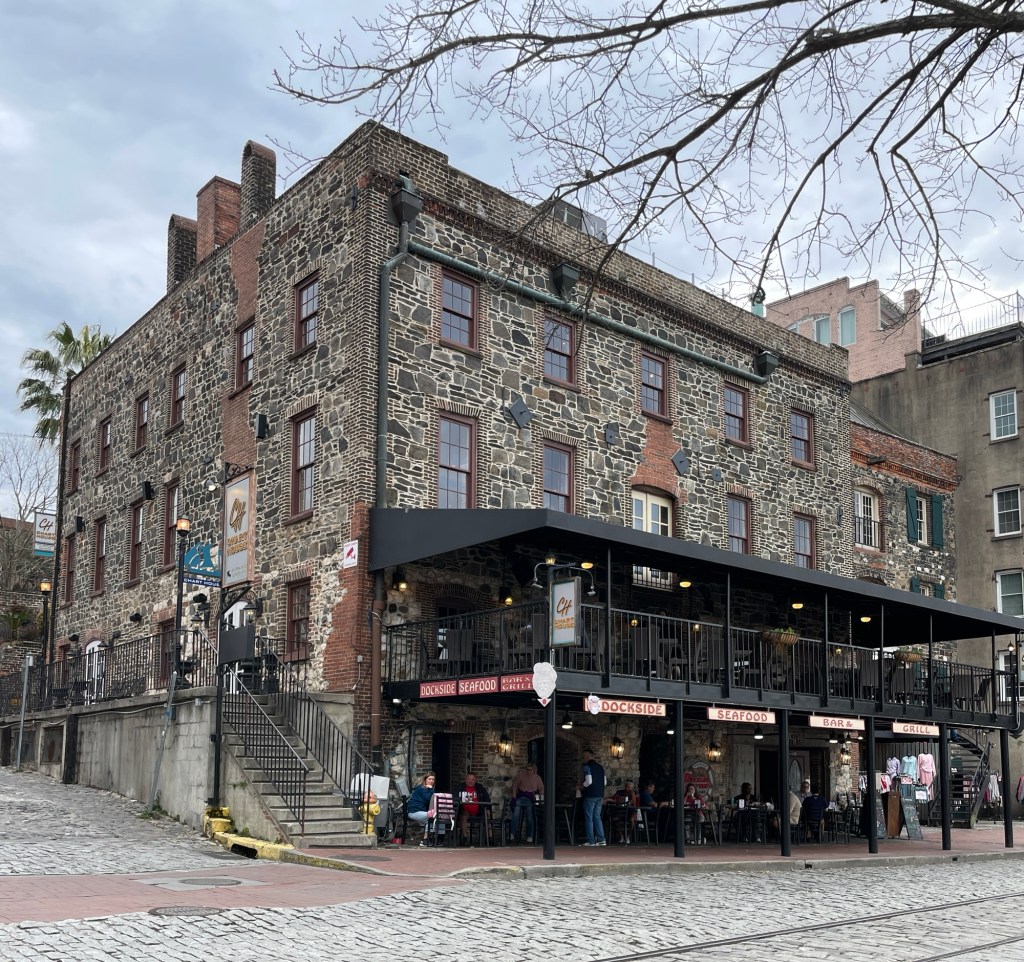
It’s old. It’s pretty. It’s full of gorgeous buildings, more leafy trees and blooming bushes in February than I could process, and far far more cobbles and uneven stone pavers than is good for Jeff’s dodgy ankle.
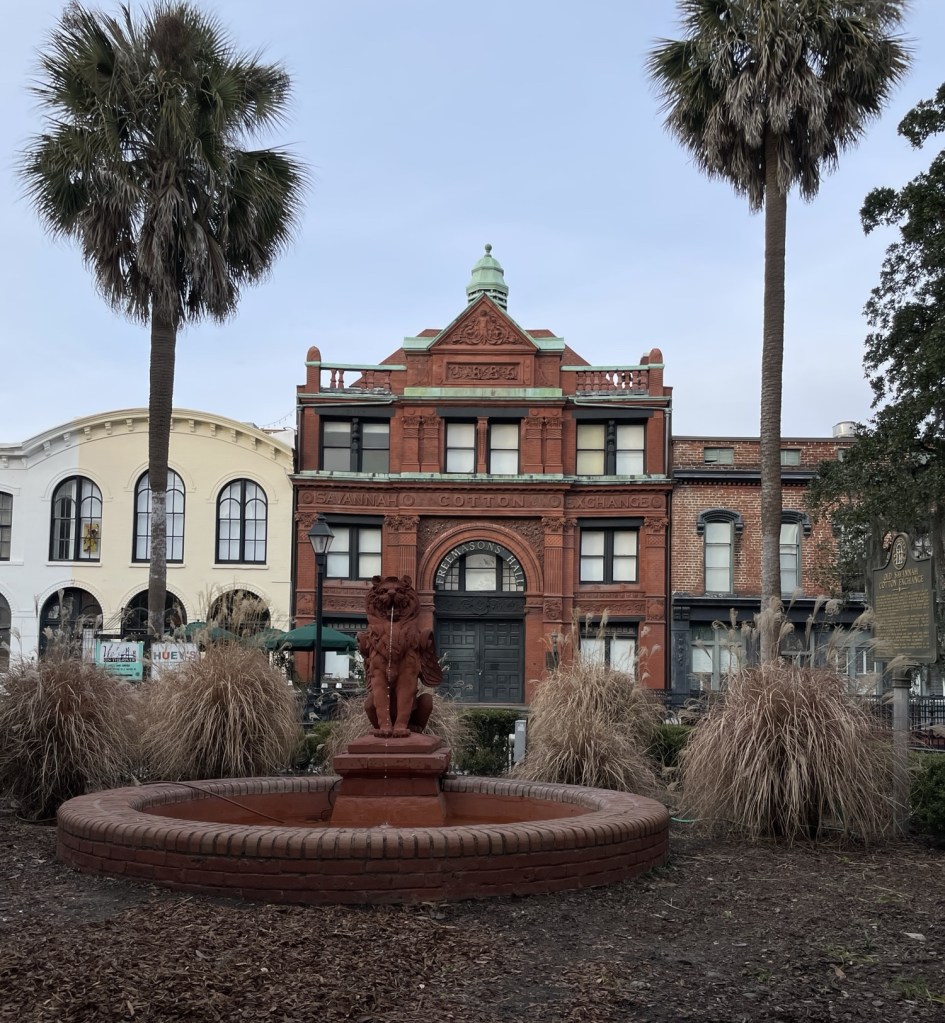
now known as Freemason’s Hall
In this building cotton brokers once gathered to set the price per ton of cotton before sending it out for shipment worldwide.
Savannah is also the setting for John Berendt’s non-fiction crime novel, Midnight in the Garden of Good and Evil. If you’ve seen the movie adaptation with John Cusack, Kevin Spacey, and Jude Law, you’ll recognize the location below. If you haven’t, go watch it. It captures the beautiful oddity that is Savannah, Georgia.
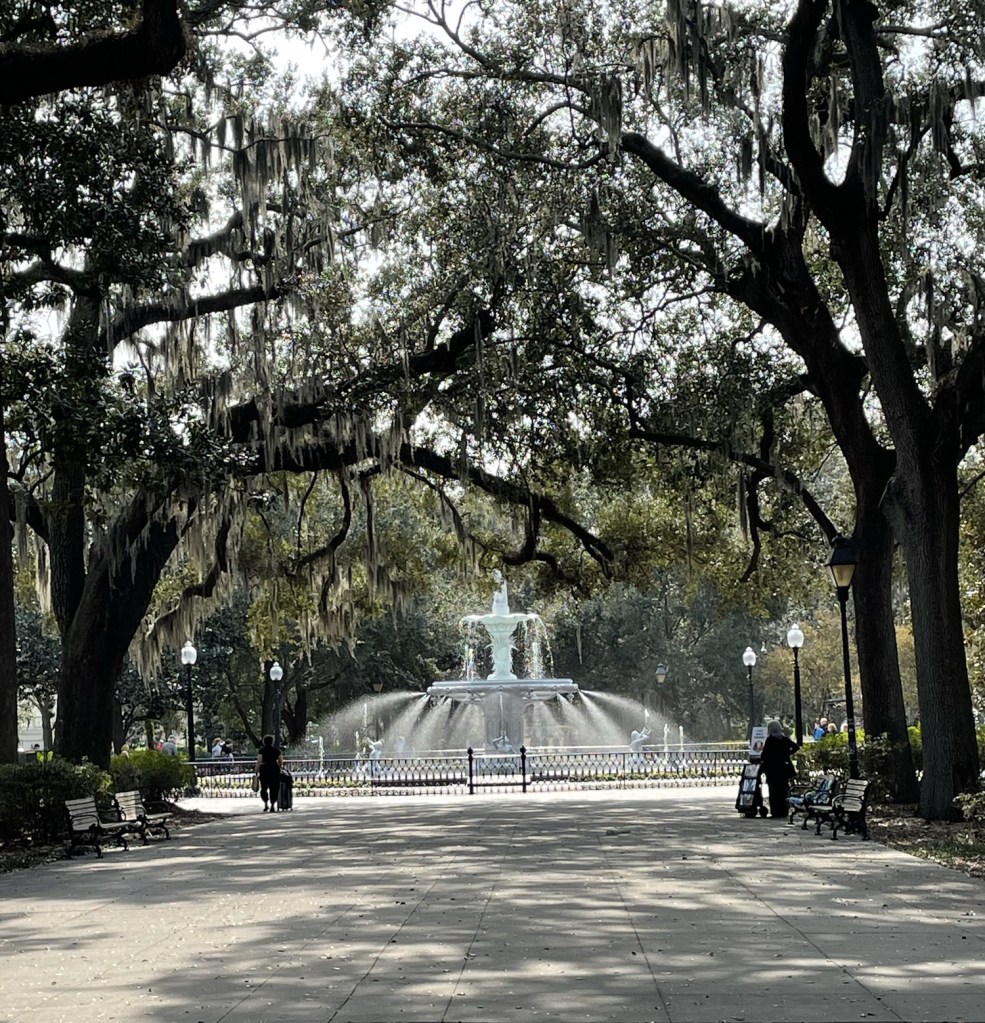
I wish Jeff and I had watched the film again before heading into the city, because we definitely recognized a couple of things while we watched it last night.
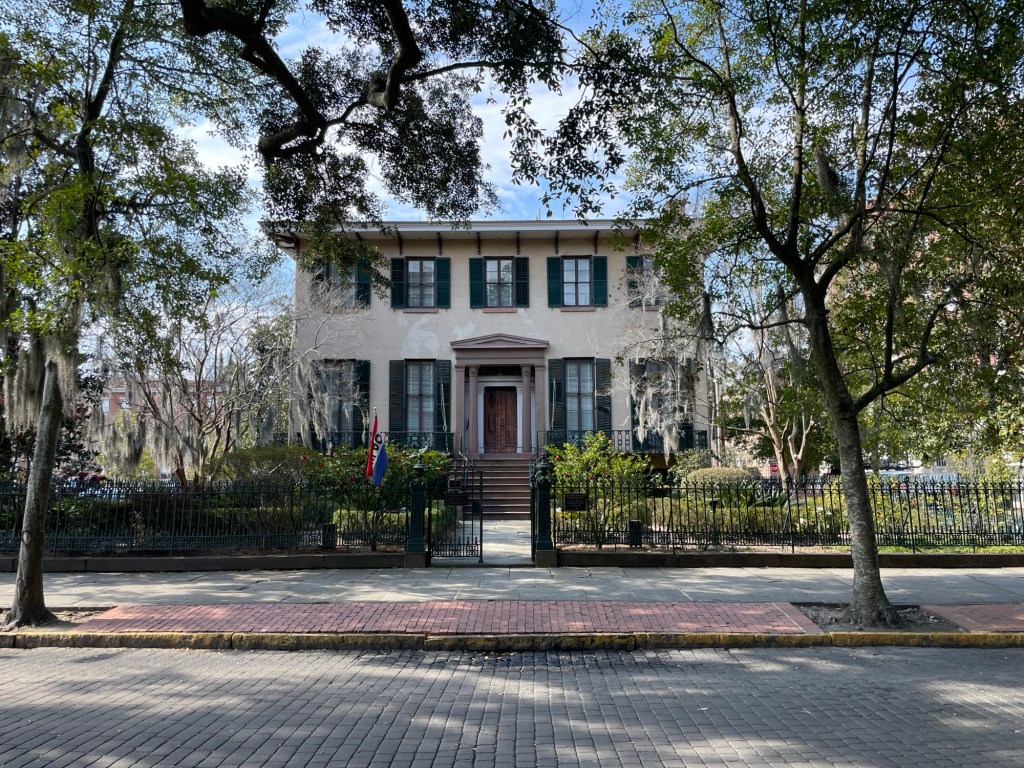
These homes aren’t in the film, so far as I know. The city seems to have a tree — usually a wide-branching Live Oak tinseled with Spanish moss — growing in every spot not covered by asphalt, brick, or stone. And in some spots that are. So many trees. In fact, I found it quite difficult to take photos of the city’s large homes and public squares because they just ended up looking like exercises in tree limbs, leaves, and bark.
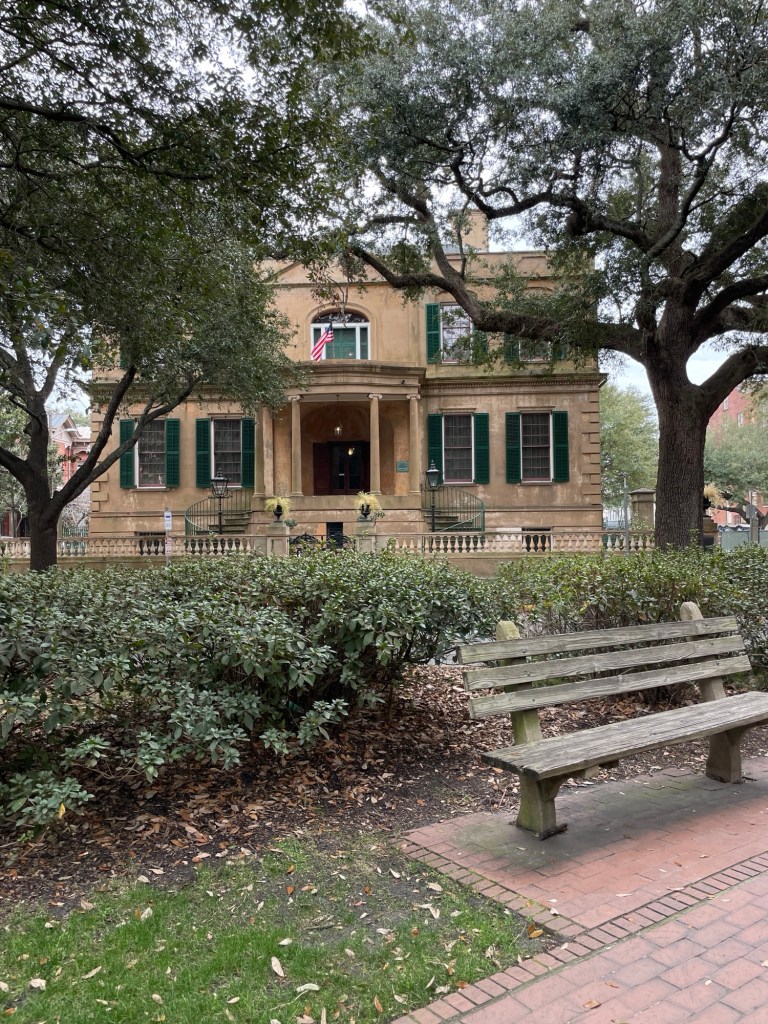
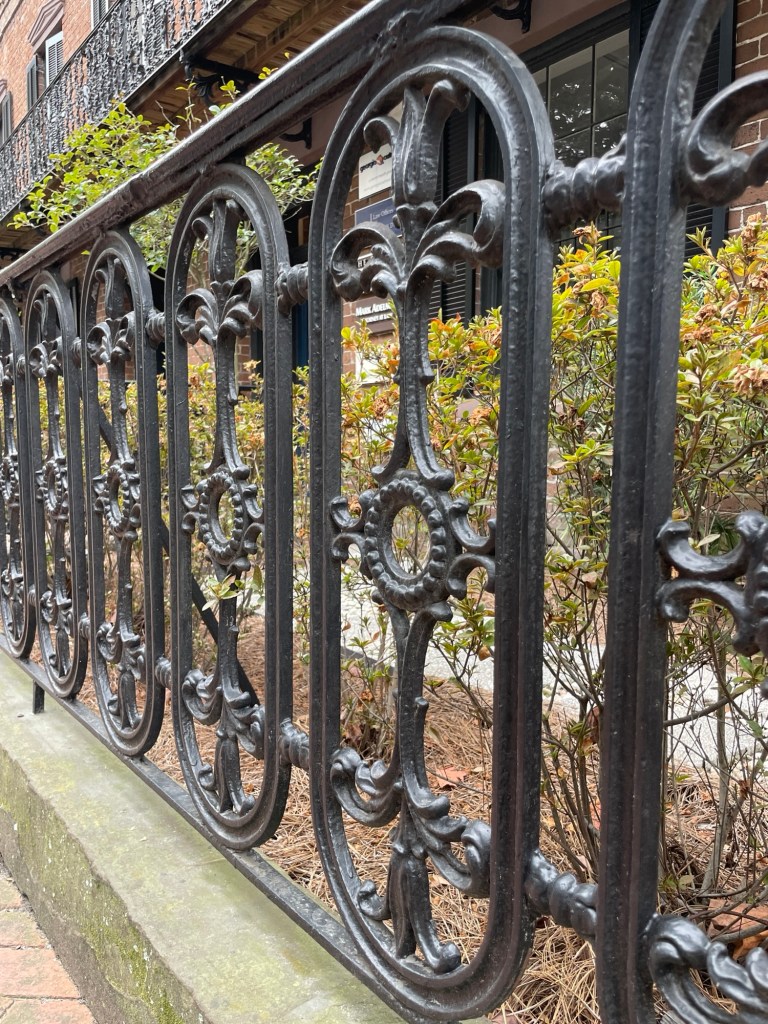
Savannah, you might remember, was also the destination for General William Tecumseh Sherman’s infamous yet arguably essential 1864 March to the Sea. After the Union decisively took Fort McAllister at the entrance to the Savannah River, and knowing that the Union army was almost on the city’s doorstep, the Mayor rode out to surrender the city, asking only that the city, its citizens, and their property be spared.
Sherman, a lifelong fan of Southern cities, Southern manners, Southern ladies, and Southern culture from his earliest days agreed, proclaiming in his famous telegram to President Lincoln, “I beg to present you as a Christmas gift the City of Savannah.”
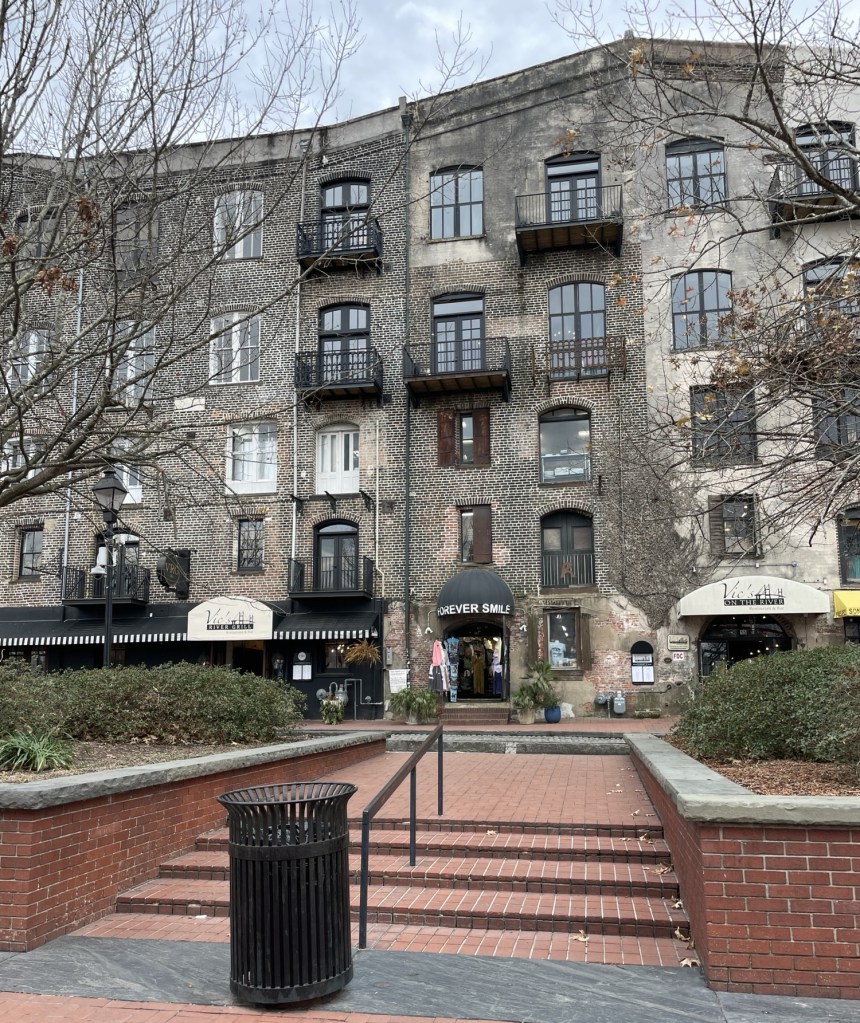
Due to the Mayor’s pleas and Sherman’s promises, Savannah retains its beautiful old mansion houses, its crazy wharf buildings that sit far below the level of the city’s streets, public squares of all sizes, a conglomeration of religious houses, and its messy mix of history dating from colonial times through the modern day. How glad I am that Savannah was spared the flames that devoured so much of Georgia and the Carolinas during those final military campaigns!
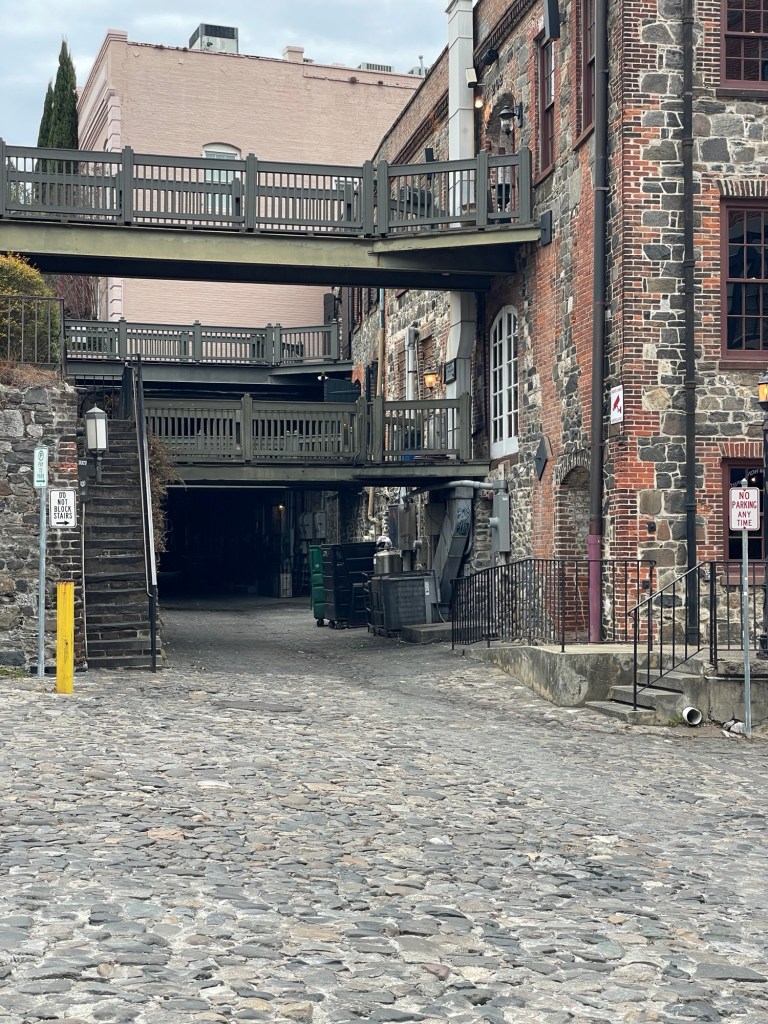
More dodgy cobblestone roads to torment Jeff.
Due to the streets’ height differences, wooden and cast iron pedestrian bridges stretch from city level to business entrances at the rear of the former warehouse buildings. Some bridges appear to be in questionable condition, so use at your own risk.
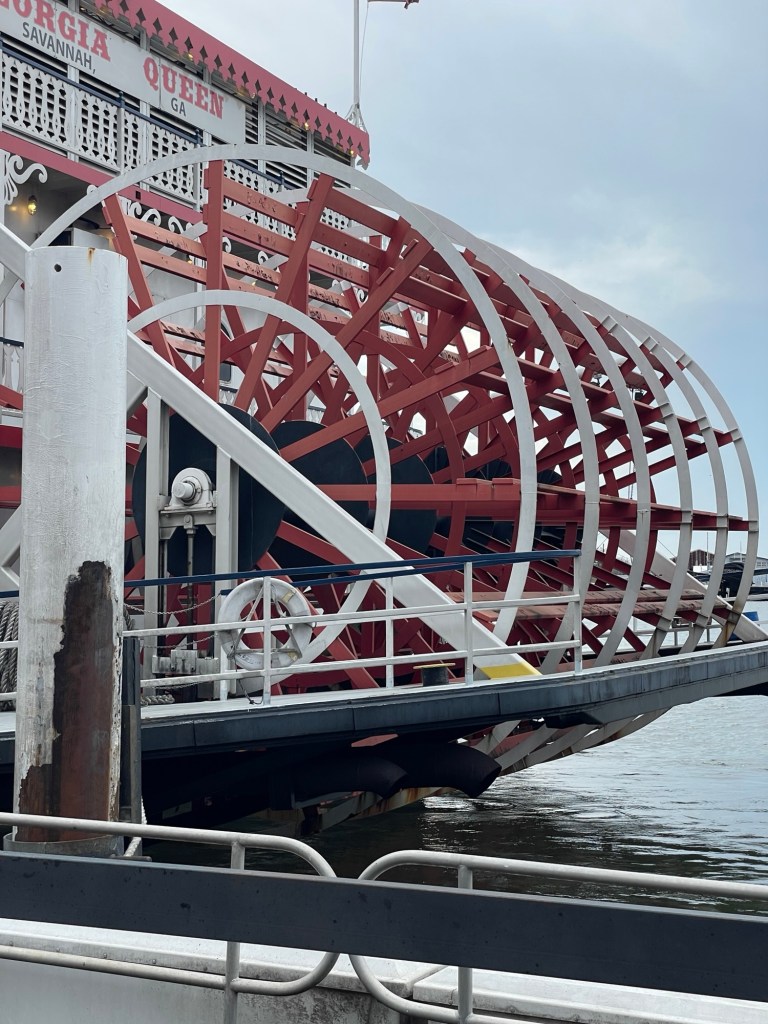
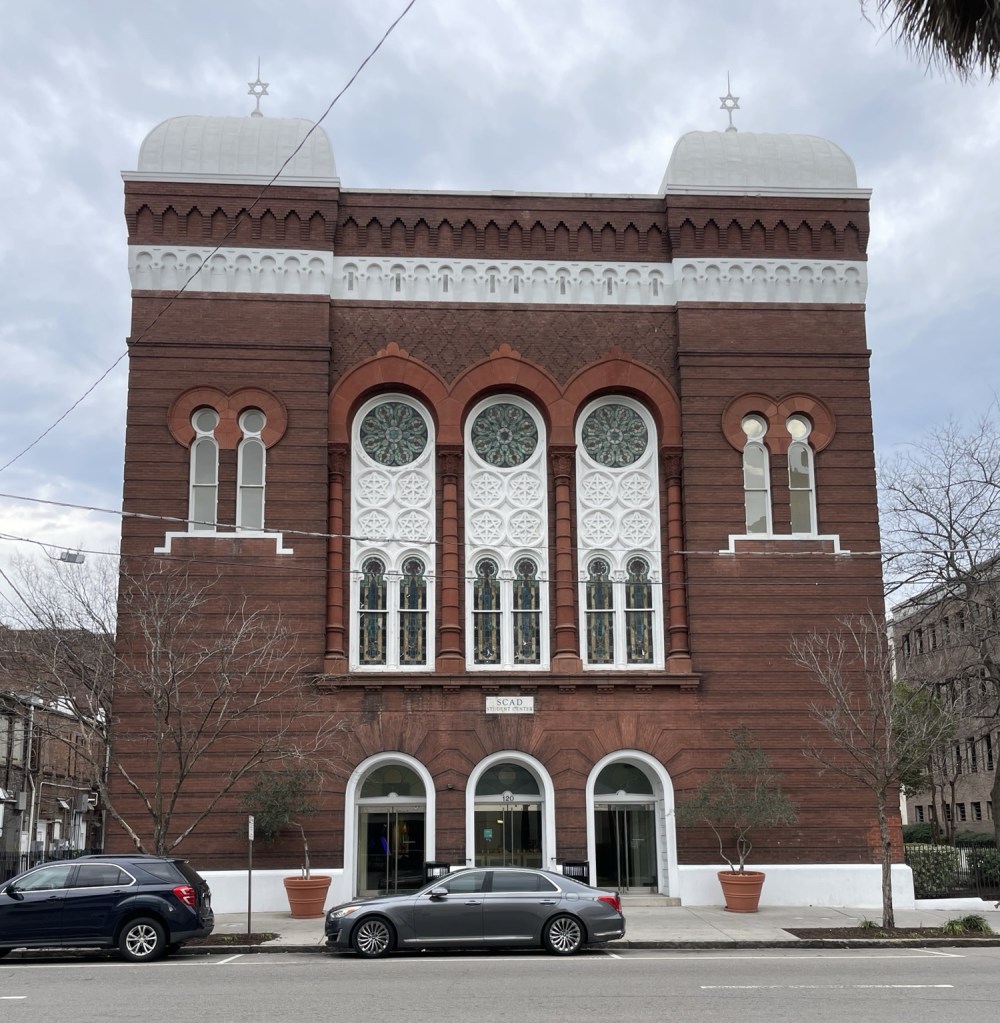
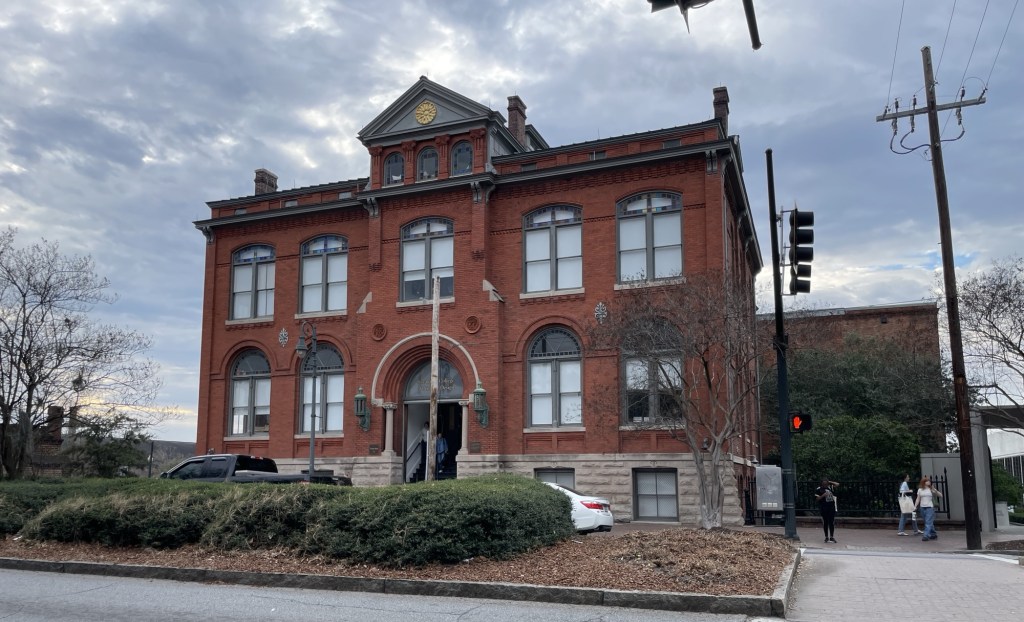
Although you’d expect to see the name Savannah all over the city, something you’re just as likely to see is SCAD – Savannah College of Art & Design. There are SCAD busses running all across town, SCAD classroom and administrative buildings on almost every corner, a SCAD coffee shop run out of an old, red double decker bus, and SCAD clad students crossing your path constantly. A large majority of the coolest restored buildings are part of the Savannah College of Art & Design. Below are just two, but they highlight the way the school is putting historic buildings to good re-use.
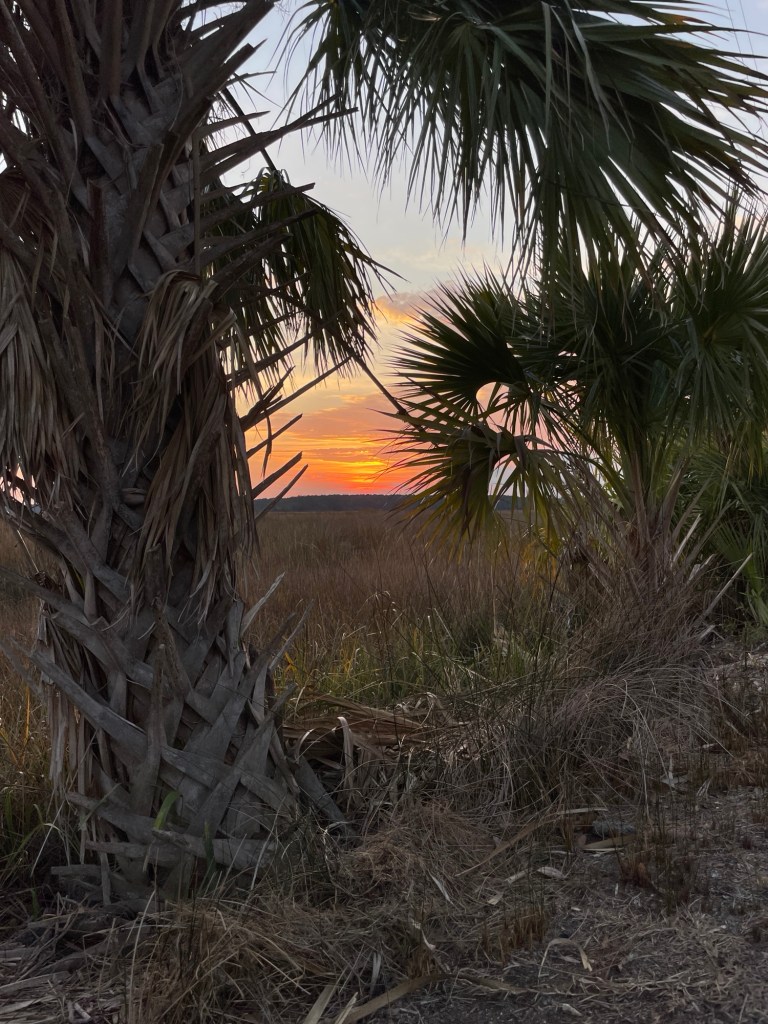
Driving back from Savannah and right before we entered the campground, I yelled, “Stop the truck.” I feel justified for my outburst.


Leave a comment